
Last updated November 15, 2026
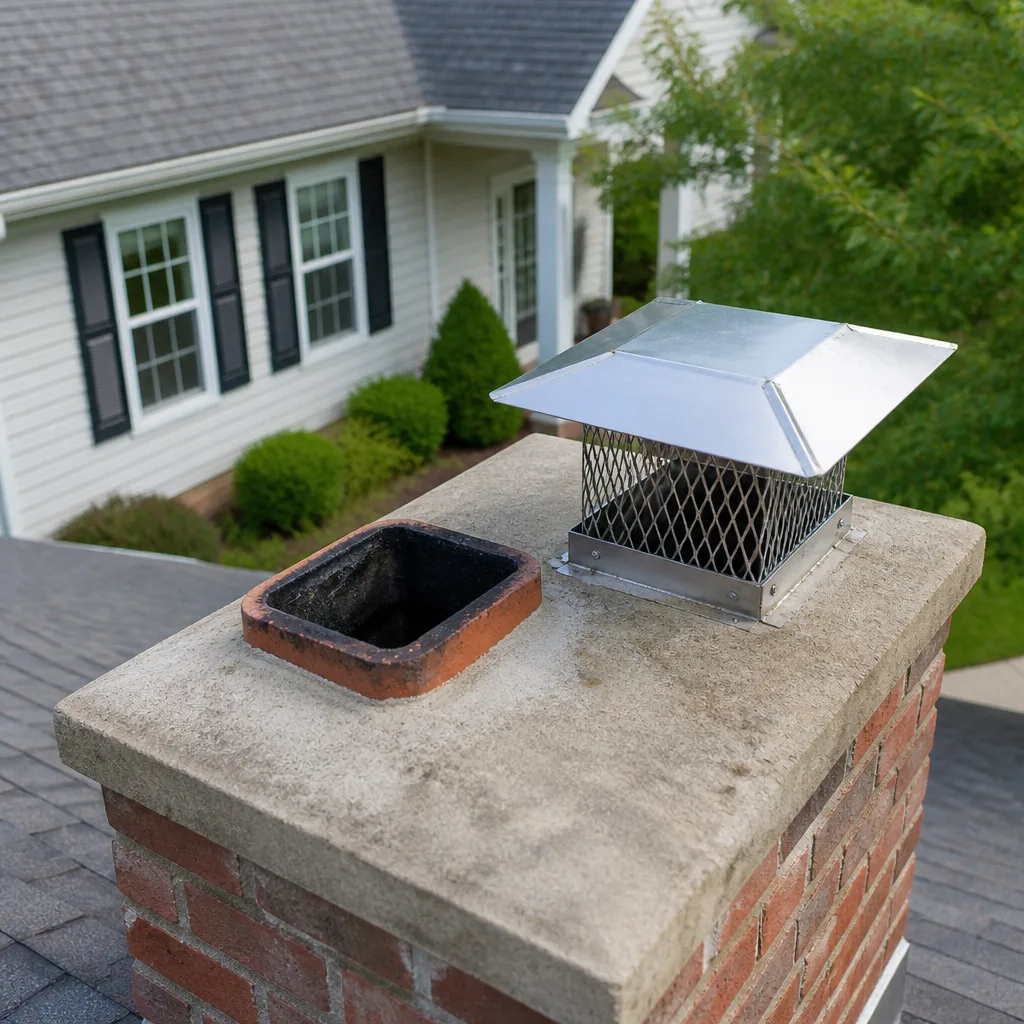 Sweep & inspection
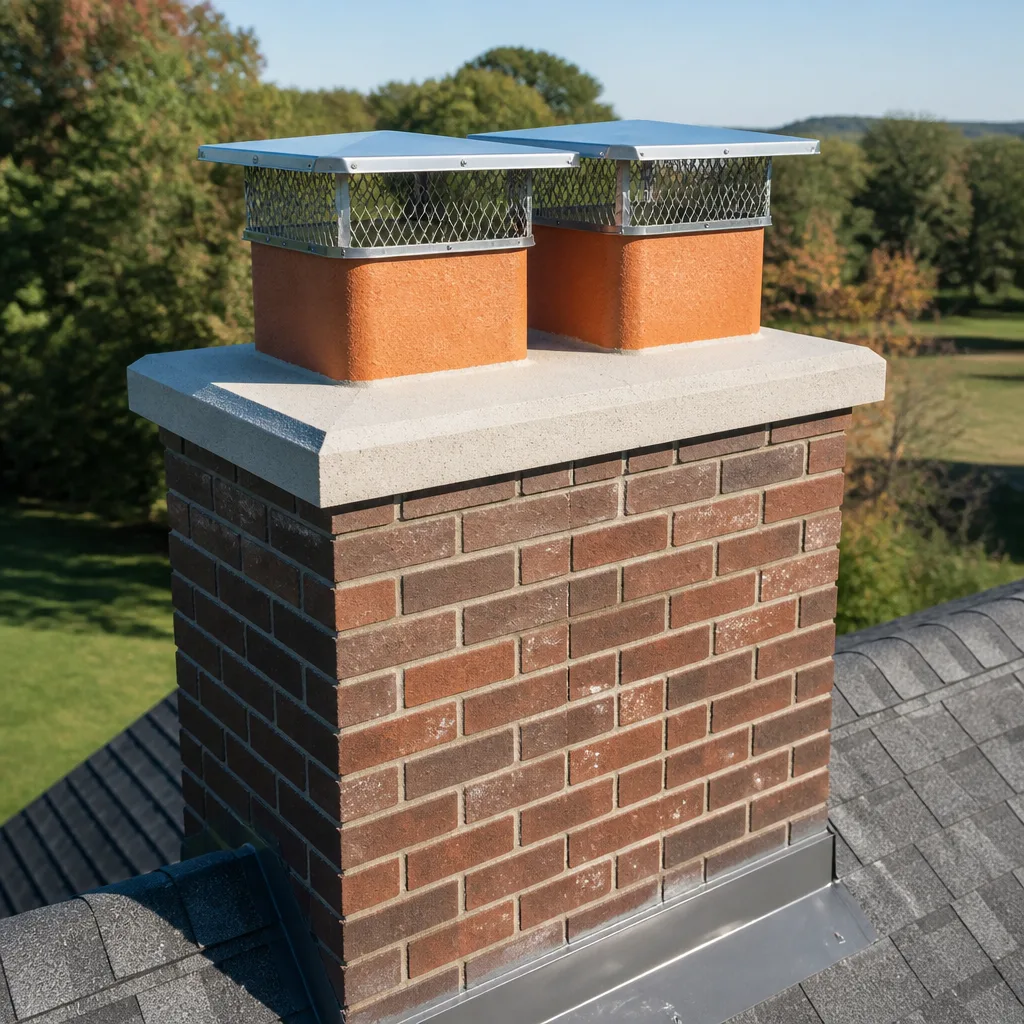 Caps & crowns
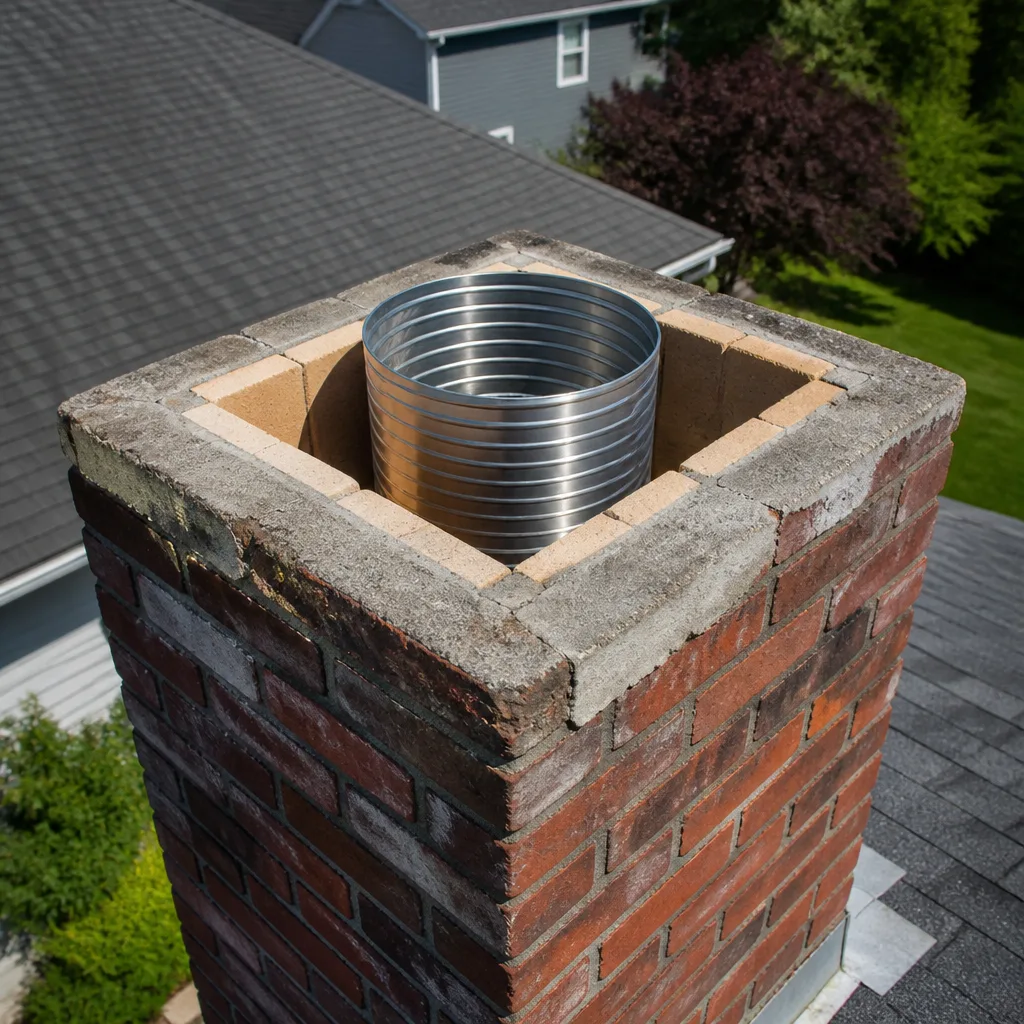 Flue relining
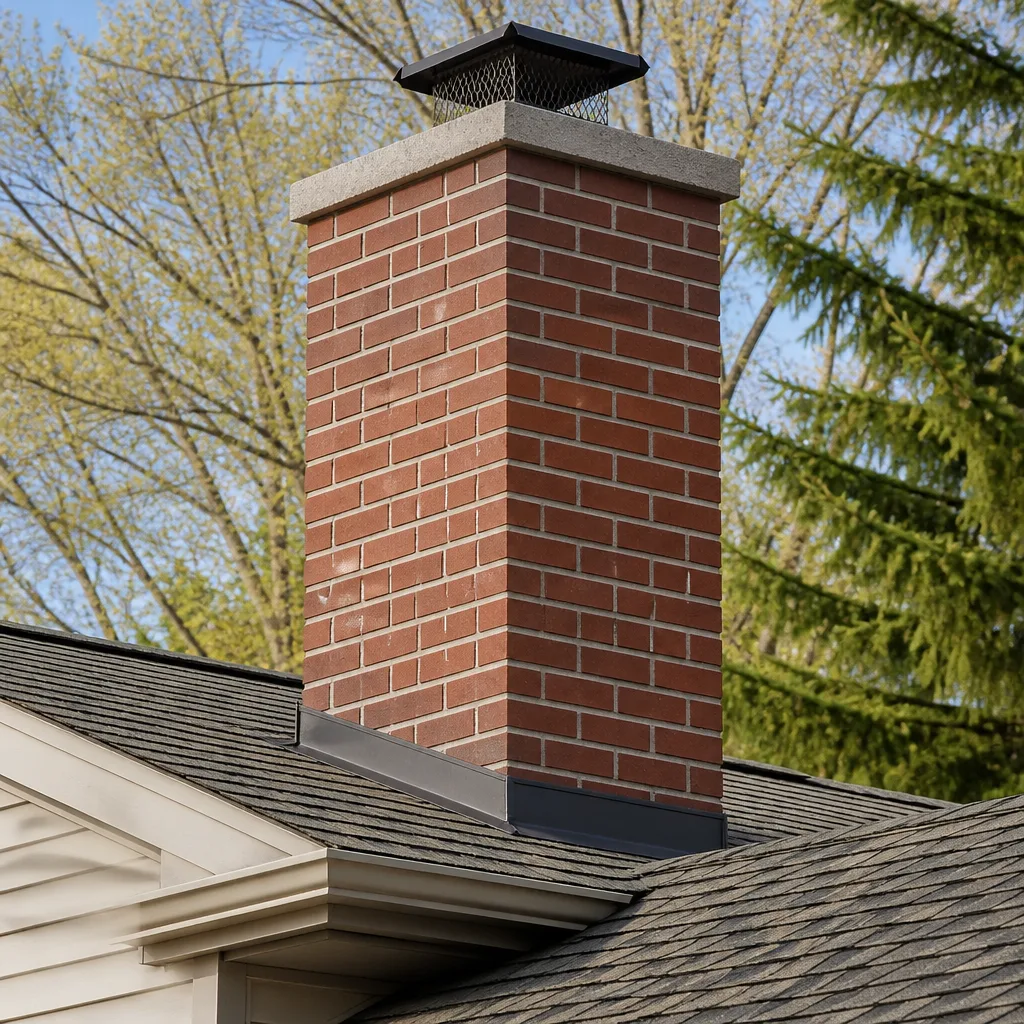 Masonry repair
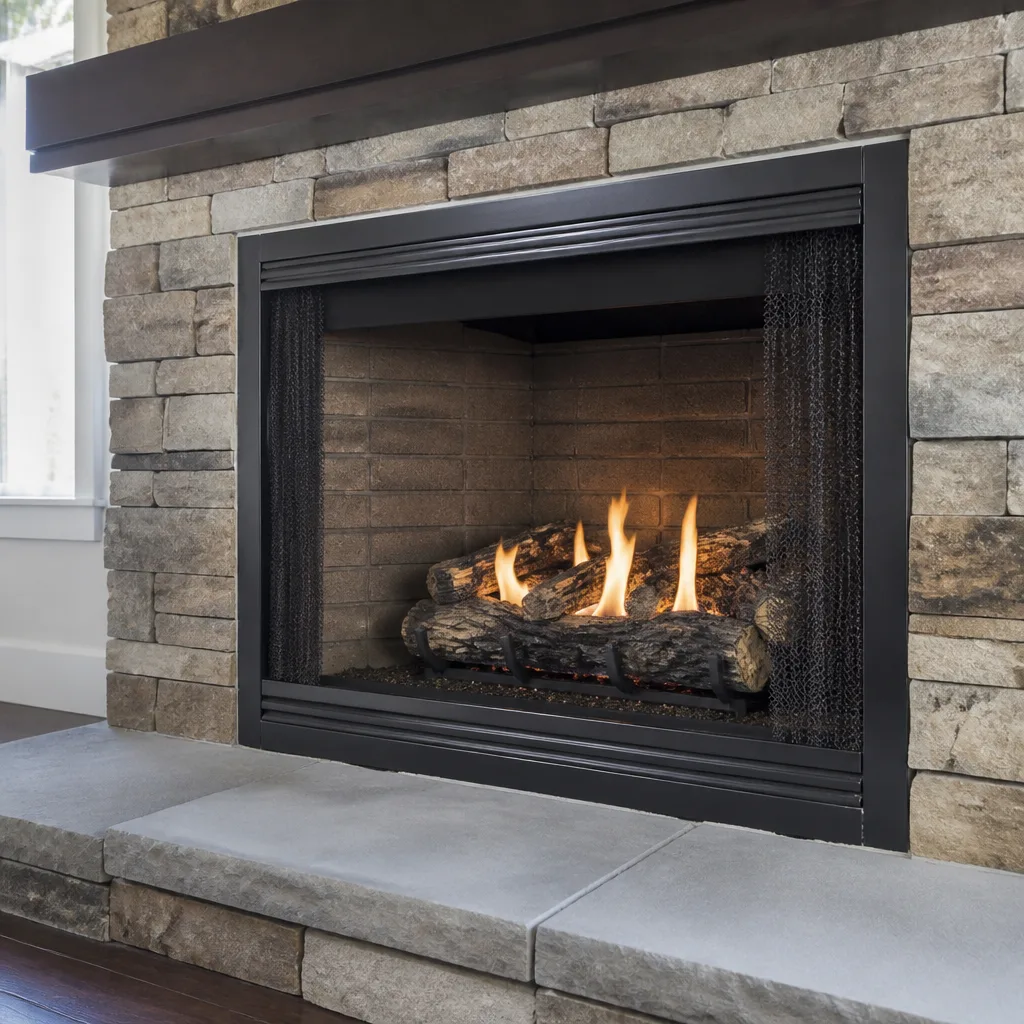 Gas fireplace service
Level 1 sweep and inspection to the NFPA 211 annual standard - flue, crown, cap, and flashing checked and photographed
Chimney sweep logs do not sweep chimneys. They loosen some creosote - which then falls where a brush and vacuum still have to collect it.
Chimney Sweep Troubleshooting in Gainesville: Common Problems and How to Fix Them
Most homeowners assume a smoking fireplace means the chimney needs cleaning. Then they pay for a sweep, the fireplace still smokes, and they’re left wondering whether the sweep did anything at all. Here’s the uncomfortable truth: a sweep removes creosote, and creosote is only one of about a dozen things that can go wrong inside a chimney. If your fireplace backs up smoke, loses draft, or smells off after a cleaning, the debris was never the problem. It was just covering the problem. This guide maps the specific symptoms Gainesville homeowners report to the specific system failures behind them, so you can tell a firebox issue from a flue issue from a cap issue before you call anyone.
Quick Answer
Smoke coming into the house after a sweep almost always points to a draft problem, not a cleanliness problem: a flue that’s too short or too narrow for the fireplace opening, a blocked or undersized cap, a closed or damaged damper, negative pressure inside the home, or a liner that’s cracked or separated. The fix depends entirely on which of those it is, which is why a camera-based Level 2 inspection comes before repair. A regular sweep won’t identify or solve any of them on its own.
Styles & brands we work with
- Sweep & inspection
- Caps & crowns
- Flue relining
- Masonry repair
- Gas fireplace service
Table of Contents
- Symptom-to-Cause: Reading Your Chimney Like a Specialist
- Why Smoke Rolls Back Into the Room in Gainesville Homes
- How Gainesville’s Humid Climate Changes Chimney Wear
- Firebox, Flue, Cap or Chase: Locating the Problem First
- Safe DIY Checks vs. What Needs a Level 2 Camera Inspection
- Replacement Parts That Actually Last vs. Hardware-Store Fixes
- Persistent Odor and Slow Ignition: What They’re Telling You
- Repair Before You Replace: Liner Restoration as an Option
Symptom-to-Cause: Reading Your Chimney Like a Specialist
A chimney is a system, and a system under stress reports its problems through symptoms. The mistake most people make is treating every symptom as “dirty chimney” and booking a sweep. In our experience, that’s why so many Gainesville homeowners end up paying twice: once for a cleaning that doesn’t fix anything, and again for the actual repair once someone finally diagnoses it properly.
Here’s how we read the four most common complaints:
- Smoke rolling back into the room. Usually a pressure or geometry issue: the flue is undersized relative to the firebox opening, the chimney is too short for the roofline around it, or the house is running at negative pressure from exhaust fans and HVAC return. Cleaning does nothing for any of these.
- Draft loss or a weak, lazy fire. Points to a blockage somewhere in the flue, a failing cap or spark screen packed with debris, or an obstruction like a bird nest. Sometimes a separated liner section creates a gap that kills the draft.
- Persistent odor, especially on warm or humid days. This is a pressure and moisture signal. The chimney is pulling air down rather than pushing it up, and that downdraft carries creosote and soot smell with it. It is not a sign you need a sweep, and sweeping often makes the smell worse in the short term.
- Slow ignition or a fire that’s hard to keep going. Usually a wet fuel or airflow problem: unseasoned wood, a closed or partly closed damper, or a firebox drawing air from a house that’s already depressurized.
Notice that only one of these gets solved by removing creosote. If your symptom isn’t on the list, that’s a useful clue too. It tells you the problem is likely in a component rather than in the system’s airflow. That’s what the next sections walk through.
Why Smoke Rolls Back Into the Room in Gainesville Homes
Smoke rollback is the number one call we get, and it’s also the most misdiagnosed. When a fire burns, the hot gases need somewhere to go, and they’ll take the path of least resistance. If the flue is the easier path, smoke goes up. If the room is the easier path, smoke comes into the room. Your job, and ours, is to figure out which one the system is choosing and why.
The causes we find most often in Gainesville, roughly in order of frequency:
- The fireplace opening is too large for the flue. Older masonry fireplaces were sometimes built with generous openings and modest flues. The ratio between them governs whether the fireplace can pull its own smoke. No amount of cleaning changes that ratio.
- The chimney is short relative to the roof or nearby trees. A chimney needs to clear the roofline and surrounding obstructions to get clean airflow across its top. In Gainesville’s leafy neighborhoods, mature oaks and pines close to the house can interfere with draft even when the chimney technically meets code.
- Negative pressure inside the home. A tightly sealed house with a kitchen exhaust fan running, a dryer venting, or an HVAC system pulling return air can literally pull smoke down the chimney. This is more common than people expect, and it’s testable.
- A blocked or wrong-size cap. A cap with a screen that’s packed with soot or a spark arrestor sized too small for the flue will choke the draft. So will a cap that’s fallen partially into the flue.
- A damaged or separated liner. A flexible liner that’s cracked or come apart at a joint creates a leak. Hot gases escape into the chase instead of up the flue, and the draft weakens or reverses.
If smoke rollback appears only under certain conditions, that’s a valuable diagnostic detail. Smoke only when the kitchen fan is running points to pressure. Smoke only on still, humid days points to a marginal draft that can’t overcome weather. Smoke every time, from a cold start, points to geometry. Tell us which pattern you’re seeing and we can often narrow the cause before we’re even on site.
How Gainesville’s Humid Climate Changes Chimney Wear
Chimneys in Gainesville age differently than chimneys in colder parts of the country. Not better or worse, just differently, and the difference trips up homeowners who’ve read general chimney advice written for northern climates.
Our winters are mild, which means the chimney spends more of the year in a state where the flue is cool and the air is damp. Cool masonry and humid air are the conditions that favor condensation inside the flue, and condensation is the enemy of a masonry chimney. Moisture absorbed into brick and mortar, combined with the acidic residue that creosote and flue gases leave behind, breaks down mortar joints over time. That’s why spalling, the flaking and crumbling of brick faces and mortar, shows up here even without the freeze-thaw cycling that northern chimneys get blamed for. Spalling is a moisture problem, and in Gainesville the moisture is in the air, not the ground or the weather.
A few specific things we look for in Gainesville chimneys that colder-climate advice doesn’t address:
- Efflorescence and white staining on the brick, which is salt pushed to the surface by moisture moving through the masonry. It’s a sign the chimney is holding water.
- Soft or crumbly mortar joints, especially near the top of the chimney where rain and humidity hit hardest.
- Condensation on the inside of the flue during the off-season, which can leave soot and creosote soft and smelly rather than dry and flaky, making odor complaints more common here than the creosote stage would suggest.
- Rust on the damper or firebox components, which points to moisture staying in the firebox rather than venting out.
None of this is a reason to panic. It’s a reason to inspect on a schedule rather than waiting for a problem. A chimney that gets looked at annually gives you a small repair before it becomes a masonry rebuild.
Firebox, Flue, Cap or Chase: Locating the Problem First
Before anyone touches anything, we want to know which of the four zones is causing the trouble. That’s the difference between a targeted repair and a guess. Here’s the framework we use, and you can use it too.
The firebox is the box you build the fire in, plus the damper at the top of it. Symptoms that live here are easy to spot: a damper that won’t open fully, a damper that’s rusted shut, cracked firebox brick, or gaps in the firebox mortar. Slow ignition and smoke starting low in the fire are the usual signs. This zone is the most accessible and the easiest to check.
The flue is the vertical pipe inside the chimney, lined or unlined. Symptoms that live here are draft loss, smoke that starts higher up in the fire, sulfur or creosote odor, and back-puffing. A damaged or separated liner, a heavy creosote layer, or an obstruction like a nest all live here. The flue is the zone that needs a camera to inspect properly, because you can’t see enough of it from the firebox with a flashlight.
The cap is the cover over the top of the flue. Symptoms include draft loss, water coming down the flue, animal activity in the chimney, and visible rust or craters on the cap itself. A failed cap lets rain in, and rain in a humid climate is how a spalling problem starts. This is the easiest zone to check visually, and we cover how in the next section.
The chase is the structure the chimney runs inside, whether it’s an exterior brick chase or an interior framed one. Symptoms here are water stains on the ceiling or chase exterior, dark streaks on the outside of the chimney, or smoke escaping into the chase instead of the flue. This zone is where structural moisture problems show up, and it’s the one that most benefits from a professional eye.
If you can tell us which zone your symptoms come from, you’ve done most of the diagnostic work already.
Safe DIY Checks vs. What Needs a Level 2 Camera Inspection
There’s a lot a homeowner can check safely, and there’s a lot they can’t. Knowing the line matters, because the checks on the wrong side of it involve height, fire, or the inside of a flue you can’t see, and those carry real risk. We’d rather you check the safe things and leave the rest to us than try something that ends badly.
Safe to check yourself:
- Whether the damper opens, closes, and stays in position, worked from the handle with no fire in the box.
- Whether the flue is clear at the top of the firebox, using a flashlight and a mirror, without reaching in.
- Whether the cap is visibly intact, from the ground with binoculars, without climbing onto the roof.
- Whether you can see signs of animal activity or debris around the cap, again from the ground.
- Whether the firebox shows obvious cracks or gaps in the brick and mortar, viewed from outside the firebox.
- Whether the smoker symptom correlates with exhaust fans, by opening a window a crack and seeing if the smoking stops.
Not safe to check yourself:
- Anything that requires getting on the roof, including checking the cap at close range or clearing debris from the chimney top. A fall from a one-story roof is a serious injury, and a wet roof in Gainesville’s humidity is worse than it looks.
- Looking down the flue from the top, or reaching into the flue from the firebox.
- Any inspection of the liner’s interior. You can’t see enough of it with a flashlight, and a temporary misread is worse than no read at all.
- Testing draft by lighting a fire under abnormal conditions. Don’t.
- Removing or adjusting a damper, cap, or liner component. These need the right tools and the right order.
What catches the things you can’t see is a Level 2 inspection, which uses a camera run through the flue to look for cracks, separations, gaps, and obstructions. That’s the inspection that finds a liner problem before it becomes a smoke-in-the-house problem. If you skip everything else, this is the one worth doing. A chimney sweep without a camera inspection can miss every issue we’ve discussed on this page.
Replacement Parts That Actually Last vs. Hardware-Store Fixes
When a component fails, the fix matters as much as the diagnosis. A generic part from a big-box store will often fit, will sometimes work for a season, and will fail again, because it wasn’t made for a chimney. It was made to be cheap and fit a range of applications. That’s a different design brief.
We work exclusively with professional-tier chimney brands, the same materials CSIA-certified specialists use, because a chimney is a high-temperature, moisture-exposed, code-governed system and its components need to handle all three.
- Caps and covers. We fit Gelco and Famco caps and covers, which means a custom fit to your flue rather than a one-size-fits-all hardware-store screen. A cap that doesn’t seal at the flue edge lets water in, and water in a humid climate is the start of spalling. A properly fitted cap does the job a generic screen won’t.
- Flexible liners. We install and service DuraFlex flexible liner systems, a professional-grade option trusted by certified chimney specialists. A liner has to survive the flue gases, the moisture cycling, and the heat, and a flexible liner that’s rated for the job does far better than a generic pipe.
- Components and connections. We use Olympia Chimney and Copperfield components, which are trade-standard parts not available at consumer retailers. The connections and terminations in a chimney are where failures start, and those parts need to be built for the job, not adapted to it.
- Liner restoration. We work with HeatShield, a resurfacing system for chimney liners that most local competitors don’t offer. It restores the liner’s surface rather than replacing the whole thing, which is often the more sensible choice when the liner is sound but degraded.
The through-line across all of these is that a chimney-only specialist stocks chimney parts. A generalist doesn’t. When your chimney repair gets quoted, ask what brand the replacement part is and whether it’s rated for the application. A specialist will have an answer. It’s also worth asking whether the part is designed for a chimney specifically, or just for plumbing and ducting generally, because the two are not interchangeable.
Persistent Odor and Slow Ignition: What They’re Telling You
Odor is the complaint people most often ignore, and it’s also the one that most often gets misdiagnosed. If your chimney smells like soot, creosote, or a smoky, sour smell even when there’s no fire, that’s not a strong argument that the chimney needs cleaning. It’s a signal that the chimney is running in reverse, drawing air down instead of pushing it up, and carrying the smell of the flue with it.
Why does that happen more often in Gainesville? Warm, humid outside air is less dense than cool air, and a chimney relies on the temperature difference between the flue gases and the outside air to drive the draft. On a warm, muggy day the temperature difference is small, and the draft weakens. In the off-season, when there’s no fire to warm the flue, the chimney can sit in a slow reverse flow for days. The smell compounds. The result is that a lot of Gainesville homeowners notice chimney odor in the shoulder seasons when a northern homeowner wouldn’t.
What actually helps:
- A properly fitted cap that excludes rain and animals. A cap with a screen also keeps out the wildlife that contributes to odor.
- Adequate ventilation of the chase and firebox, which reduces trapped moisture.
- Checking for reverse flow, by opening a nearby window a crack and seeing if the odor improves. If it does, you’ve confirmed a pressure problem.
- A camera inspection, to rule out a hidden liner issue that’s contributing to the smell.
- Addressing the firebox or damper, if either is compromised.
Slow ignition is a cousin of odor. A fire that’s hard to start and slow to build is often fighting wet wood, a closed or partly closed damper, or a depressurized house. Check the damper first, then the wood, then call us. If it’s still slow after that, the problem is in the system.
Repair Before You Replace: Liner Restoration as an Option
When a liner is failing, replacement gets quoted a lot. Sometimes that’s right. Sometimes it’s a bigger job than the situation calls for. A resurfacing system like HeatShield allows a specialist to restore the liner’s internal surface rather than pull and replace the whole liner, which can extend liner life and save the cost of full relining when the liner’s structure is still sound. It’s not right for every liner. A separation or a structural crack needs replacement, not resurfacing. But when the liner is degraded rather than broken, restoration is an option worth asking about, and it’s one a chimney specialist should know about. Most local competitors don’t.
If you’re in an older Gainesville home with an original liner, this is the conversation to have before agreeing to a full reline. We’ll tell you exactly what your chimney needs and what it doesn’t. That sometimes means a resurfacing job. Sometimes it means a repair. Sometimes it means a sweep and a new cap. A chimney specialist should be able to walk you through which and why, without upselling you the biggest job on the menu.
Common Mistakes to Avoid
- Assuming every problem is a cleaning problem. If the fire smoked before the sweep and it smokes after, the sweep wasn’t the fix. It was the wrong tool for the wrong job, and the real cause is still in the system.
- Accepting a cleaning without a camera inspection. A sweep removes debris. It doesn’t diagnose a liner crack, a separation, or a blockage the camera would find. In our experience, the second visit is always more expensive than the first one done right.
- Replacing the cap with a generic hardware-store screen. A one-size-fits-all cap can choke the draft or leave gaps that let water in. In Gainesville’s humidity, a badly fitted cap leads straight to moisture problems the old cap wasn’t causing.
- Burning unseasoned or green wood. Wet wood deposits creosote faster and contributes to slow ignition and smoke. It’s a cheap fire and an expensive problem.
- Ignoring visible spalling or soft mortar. In our climate, spalling is a moisture signal, and moisture is what leads to masonry repair. Caught early, it’s a small job. Left for years, it isn’t.
- Letting a smoker decide the answer on its own. Smoke rollback with windows open and exhaust fans off is a different problem from smoke rollback with the kitchen fan on. Treating them as the same thing sends you down the wrong repair path.
- Assuming a general handyman can do a chimney repair. The component, the liner, the cap, and the chase all have chimney-specific requirements. A generalist with a hardware-store part is not a chimney repair. A chimney specialist, every time.
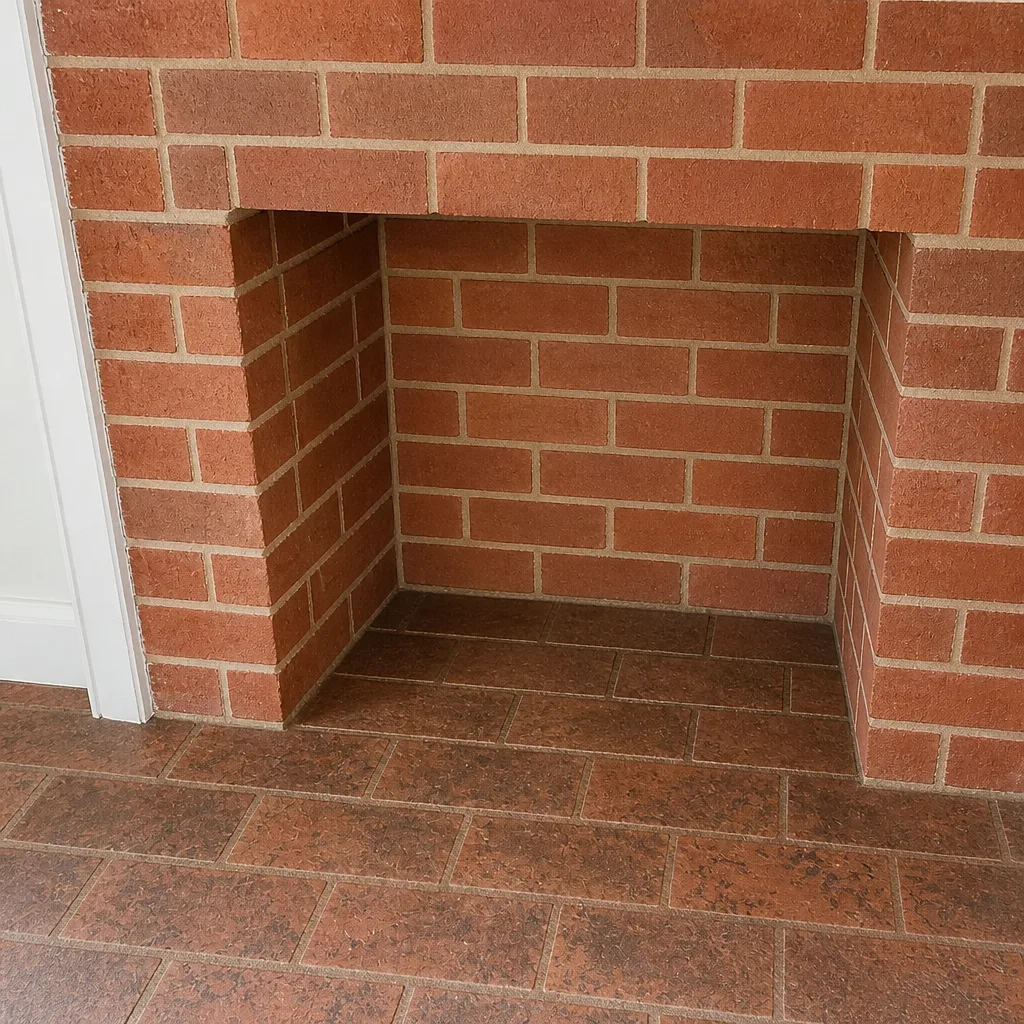
See the difference
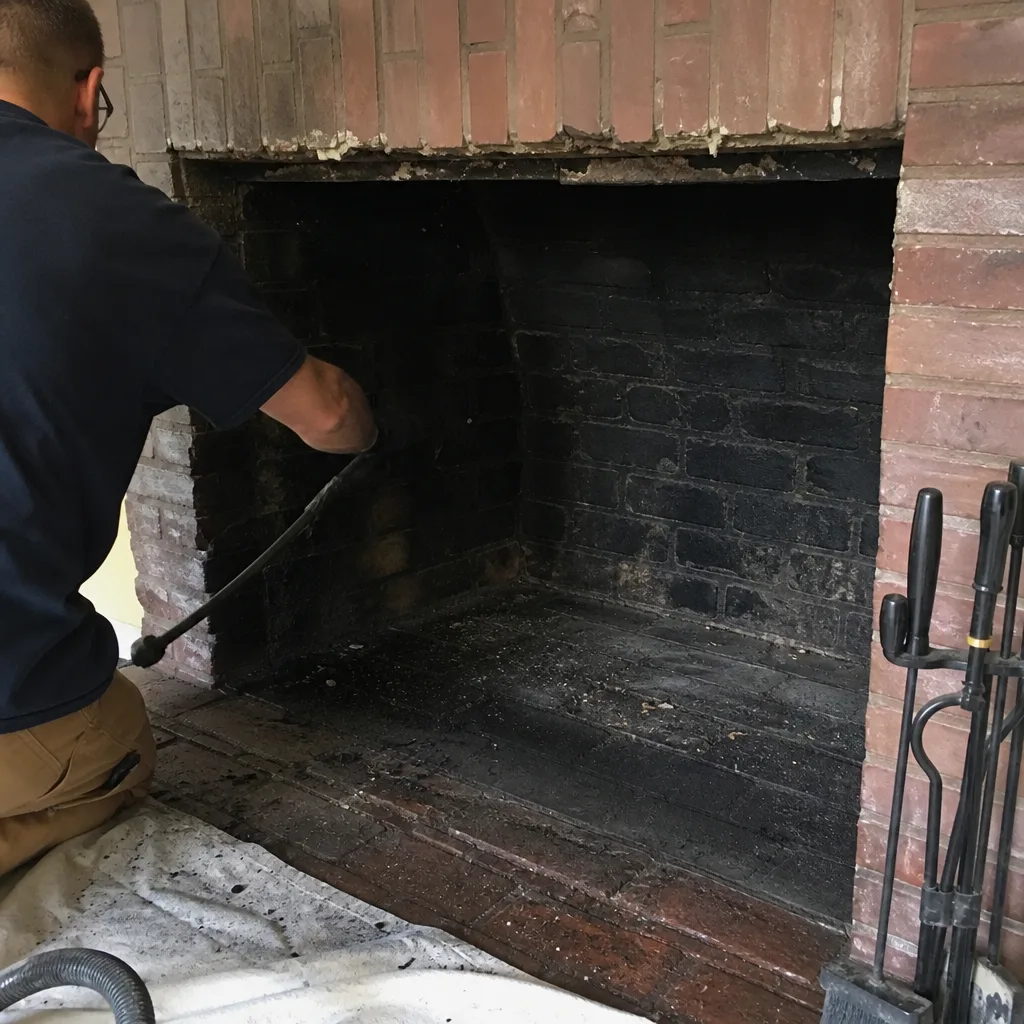 Before
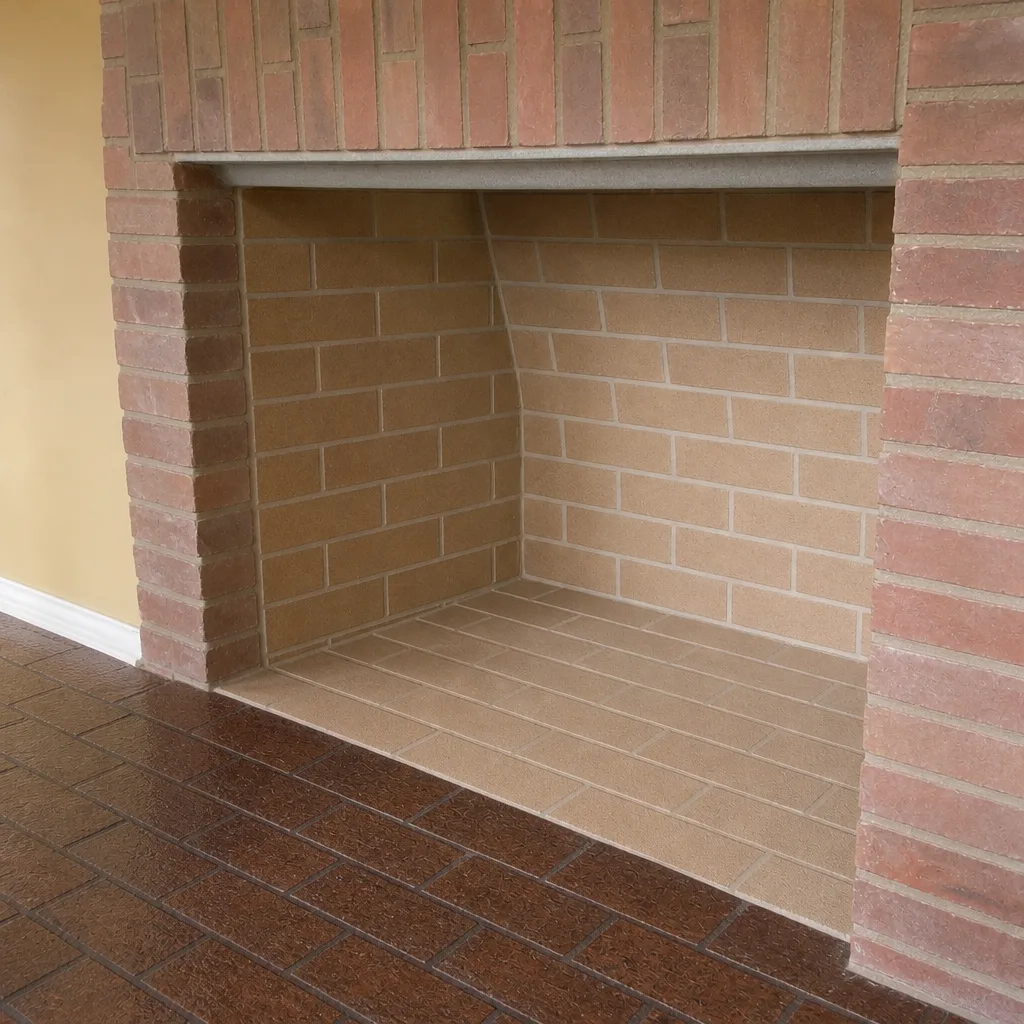 After
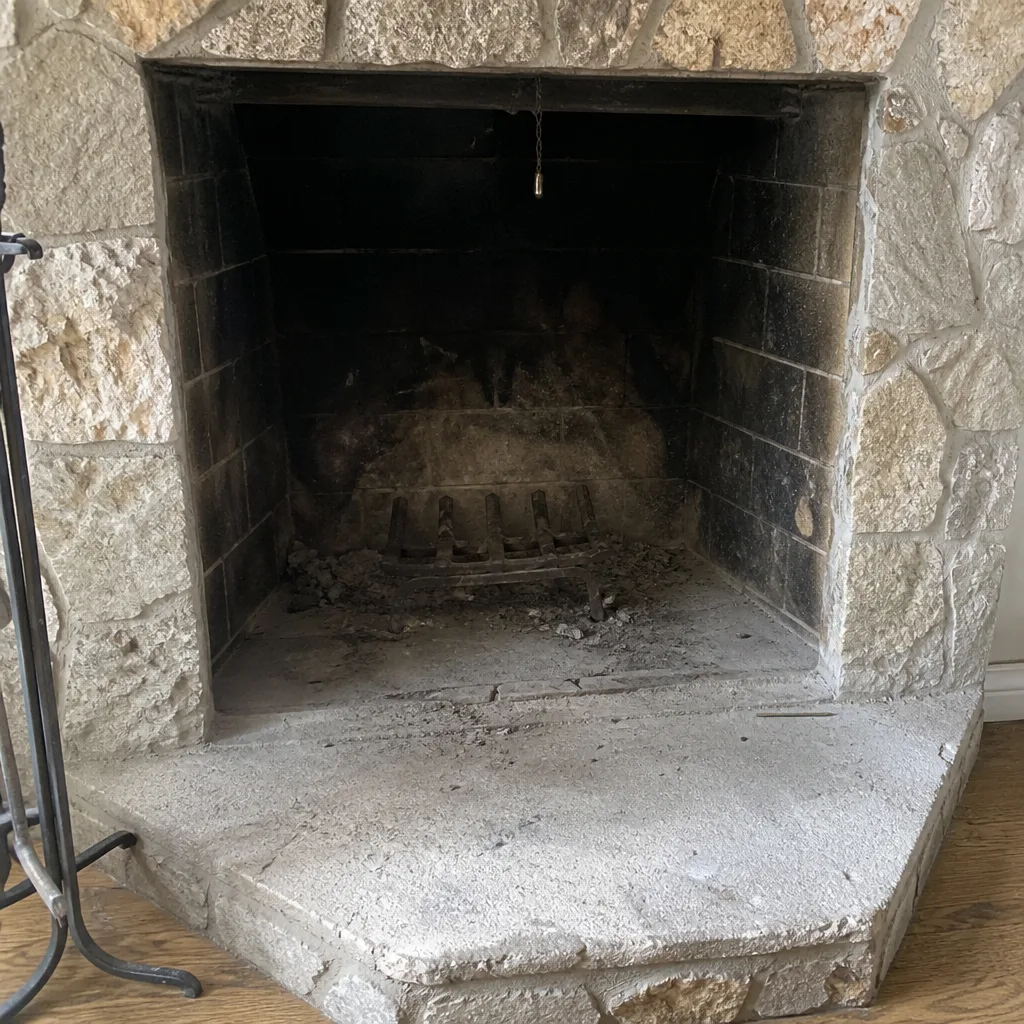
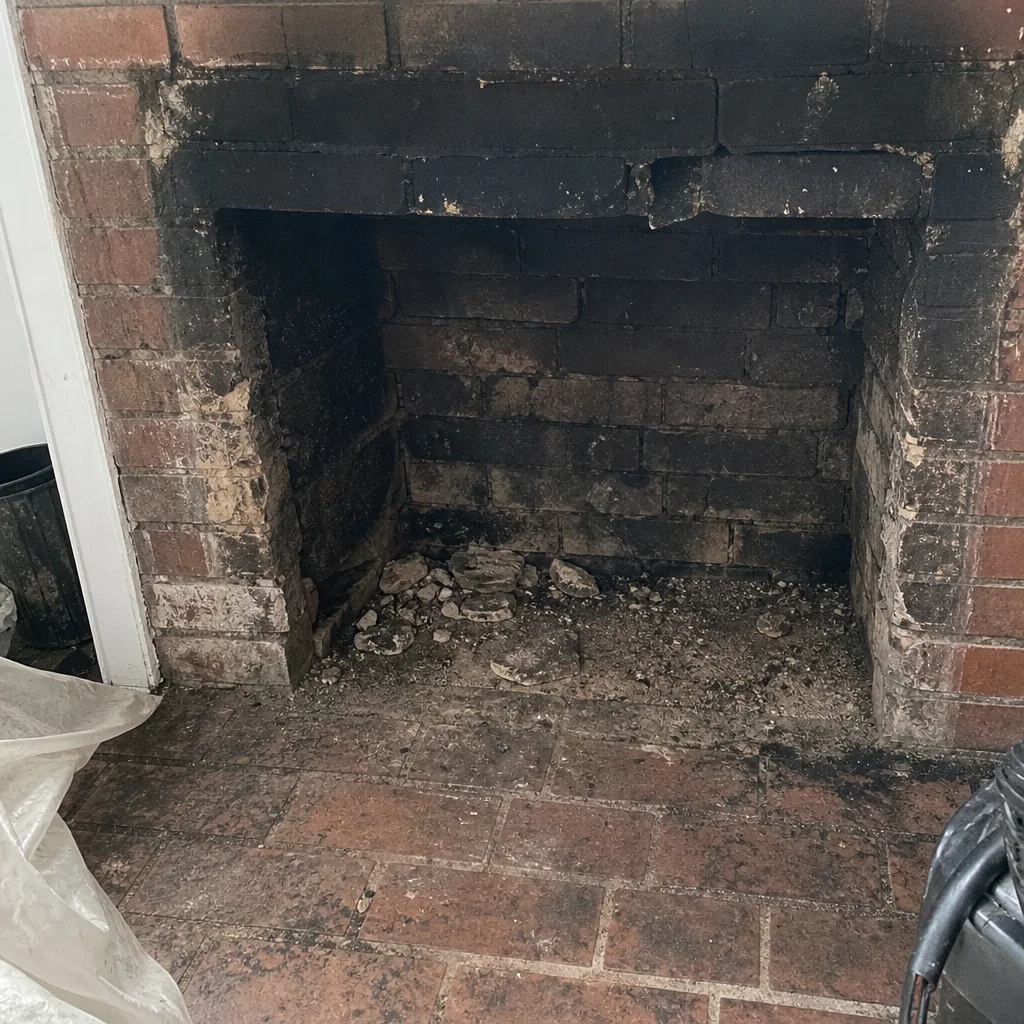 Before
 After
 Before
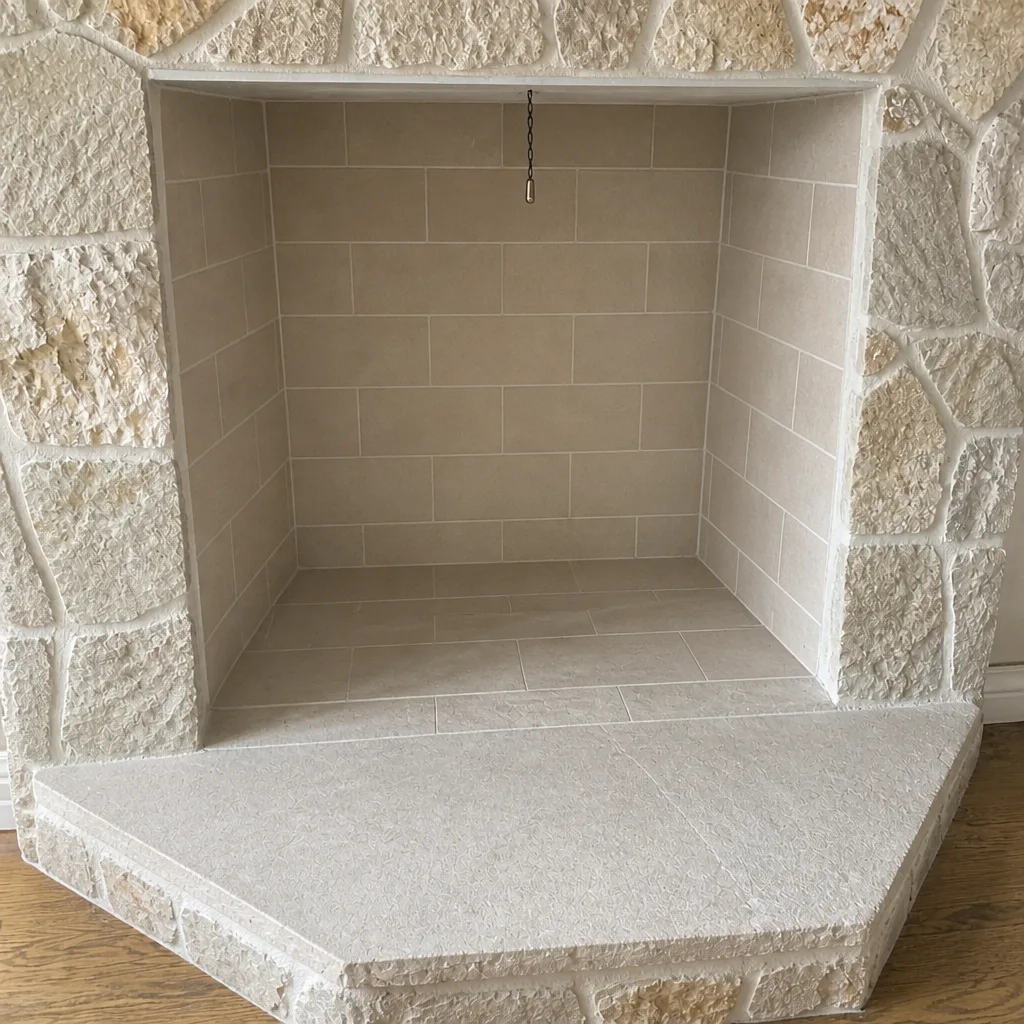 After
When to Call a Professional
Call when a problem persists after a cleaning, because if the sweep didn’t fix it, the cause is diagnostic and someone needs to look at it with a camera. Call if you see smoke in the house when no fire is lit, or if the smell of the flue is constant rather than occasional, because both point to a system-level issue. Call if the firebox has visible cracks or the mortar is soft, before a fire gets lit again. And call if the chimney has never had a Level 2 inspection, which is the one inspection that sees the things a flashlight can’t. Safety matters here. High temperatures, creosote, and a liner you can’t see well from the firebox are not things to troubleshoot on your own beyond the safe checks we’ve described. Gainesville Chimney Cleaning offers free estimates in Gainesville. Call (844) 834-5386. We answer 24/7, and fast dispatch runs from 7am to 7pm, Sunday through Friday.
Frequently Asked Questions
Because the sweep removed debris, but the cause is almost certainly a draft problem: an undersized flue, a blocked or wrong-size cap, a damaged or separated liner, or negative pressure inside the home. A sweep doesn’t touch any of those. The fix is a camera-based Level 2 inspection and then a repair targeted at the actual cause. Call (844) 834-5386 for an exact quote. Estimates are free.
Start with the symptom: slow ignition and low smoke point to the firebox or damper; draft loss and high smoke point to the flue; water entering and animal activity point to the cap; stains and streaks on the structure point to the chase. A flashlight and mirror gets you the firebox, ground-level binoculars get you the cap, and a camera gets you the flue and chase. If you’re unsure which zone you’re looking at, that’s the point to call. We’ll tell you what we see.
It depends on whether the liner is degraded or structurally broken. Degraded liners can sometimes be restored with HeatShield resurfacing, which extends the liner’s life without the cost of full replacement. Separated or cracked liners need replacement, not resurfacing. A camera inspection is what tells the two apart. Call (844) 834-5386 for an exact quote. Estimates are free.
Because the chimney is likely in reverse flow, drawing humid outside air down the flue and carrying the smell of soot and creosote into the house. It’s more common in Gainesville’s warm, humid shoulder seasons, when the temperature difference driving the draft is small. A properly fitted cap and a check for reverse flow are the first steps. If the smell persists, a camera inspection rules out a hidden liner problem. Call (844) 834-5386 for an exact quote. Estimates are free.
The damper, the firebox from outside it, and the cap from ground level with binoculars are safe to check yourself. Anything on the roof, anything inside the flue, and anything that involves removing or adjusting a component is not. A fall from a wet roof in Gainesville is a real injury risk, and you can’t see enough of a liner with a flashlight to make a diagnosis. Leave those to a specialist and a camera.
Once a year is the working rule, and it holds in our climate even without the harsh winters of colder regions. Annual inspections catch moisture and spalling problems while they’re small, and they find liner issues before they turn into smoke-in-the-house problems. Our technicians have up to 11 years of experience, and we’ll tell you straight whether a sweep is needed this year or whether the chimney can wait. Call (844) 834-5386. We answer 24/7, and fast dispatch runs from 7am to 7pm, Sunday through Friday.
The Bottom Line
Most “the chimney needs cleaning” problems are actually diagnostic failures. The symptoms tell you where to look: smoke rollback points to draft and geometry, slow ignition points to damper and fuel, odor points to reverse flow and moisture, and visible spalling points to water getting in the masonry. Gainesville’s humid climate makes some of these worse than they’d be elsewhere, so an annual inspection earns its keep here. The Gainesville Chimney Cleaning approach is simple: inspect with a camera, show you what’s there, and fix what the evidence actually supports. Then tell you what your chimney doesn’t need. A sweep is one tool. A chimney specialist knows the rest.
Call (844) 834-5386 for a free estimate. We answer 24/7, and fast dispatch runs from 7am to 7pm, Sunday through Friday. We’re closed Saturday. Nothing gets recommended here without camera evidence you can see for yourself, and if the work can safely wait, we’ll say so.
Written by the team at Gainesville Chimney Cleaning.