
Last updated November 15, 2026
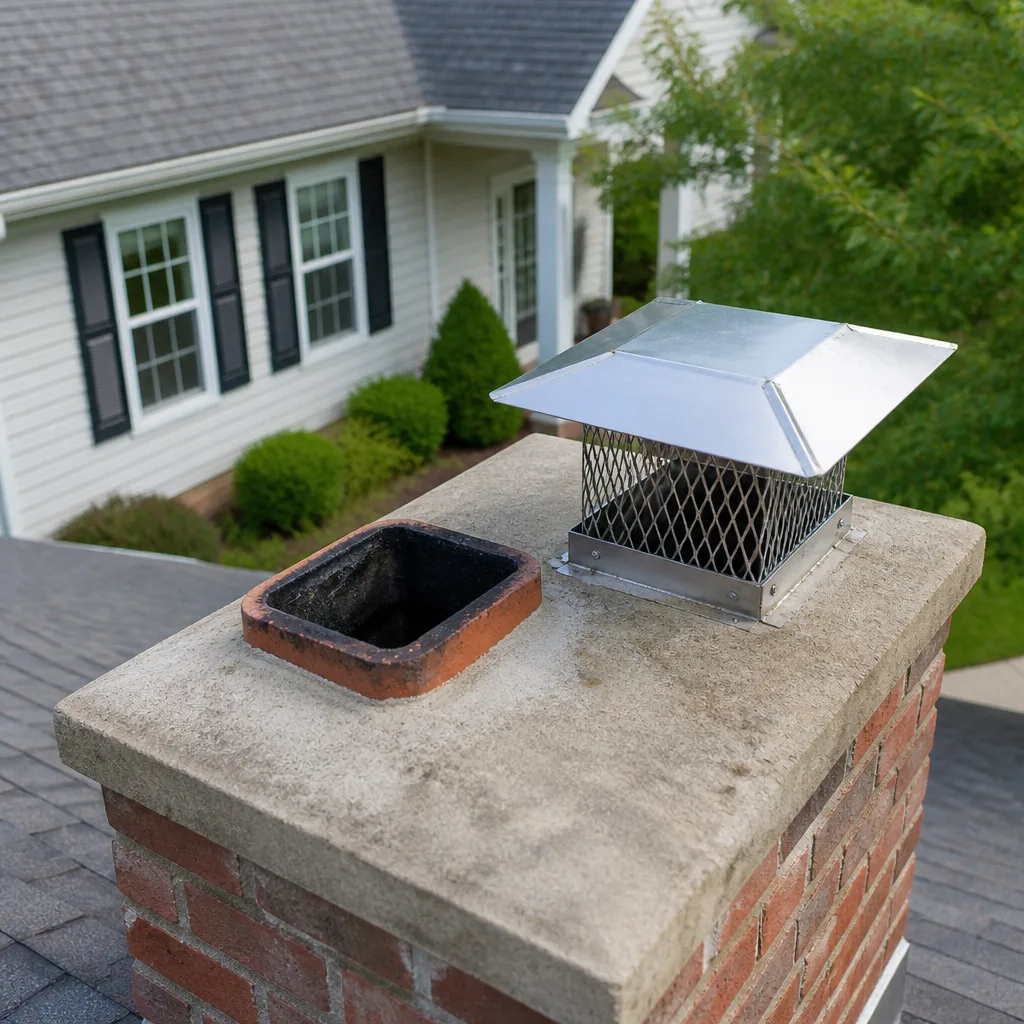 Sweep & inspection
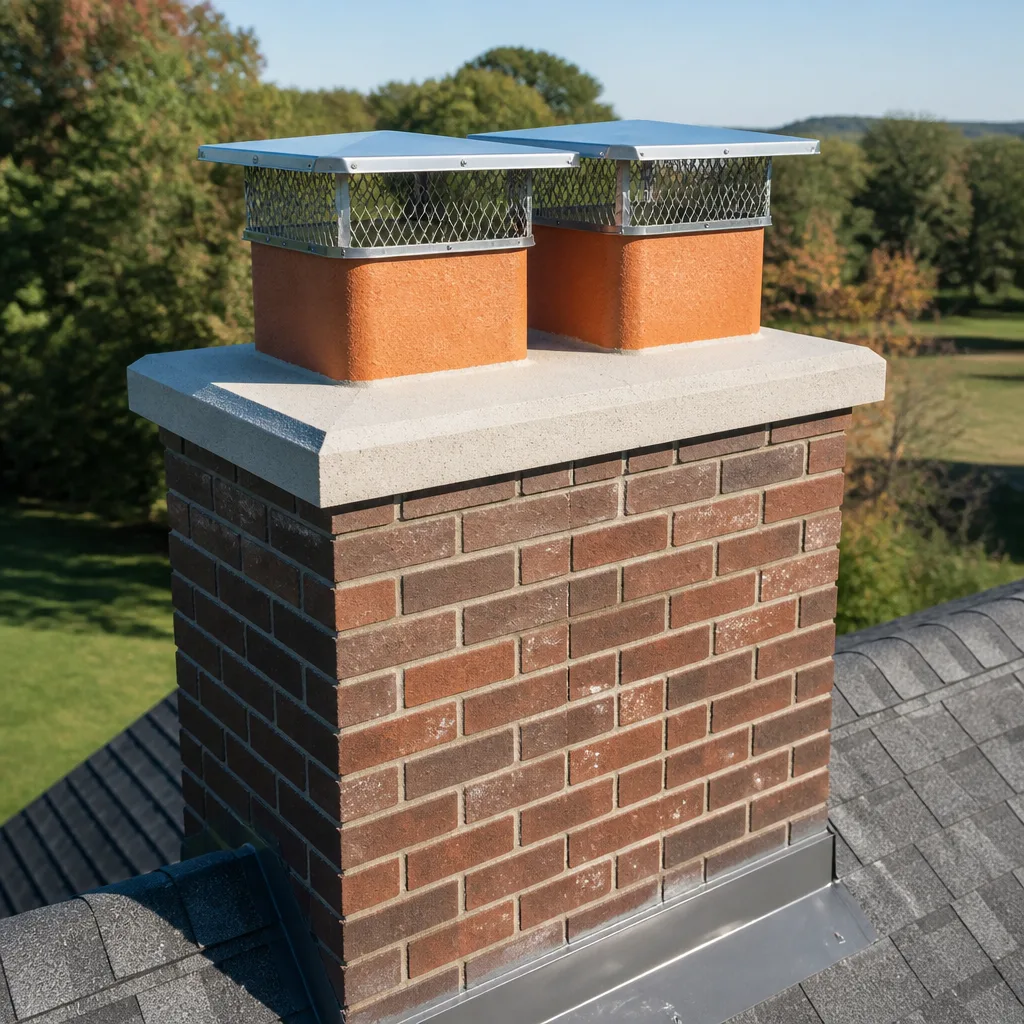 Caps & crowns
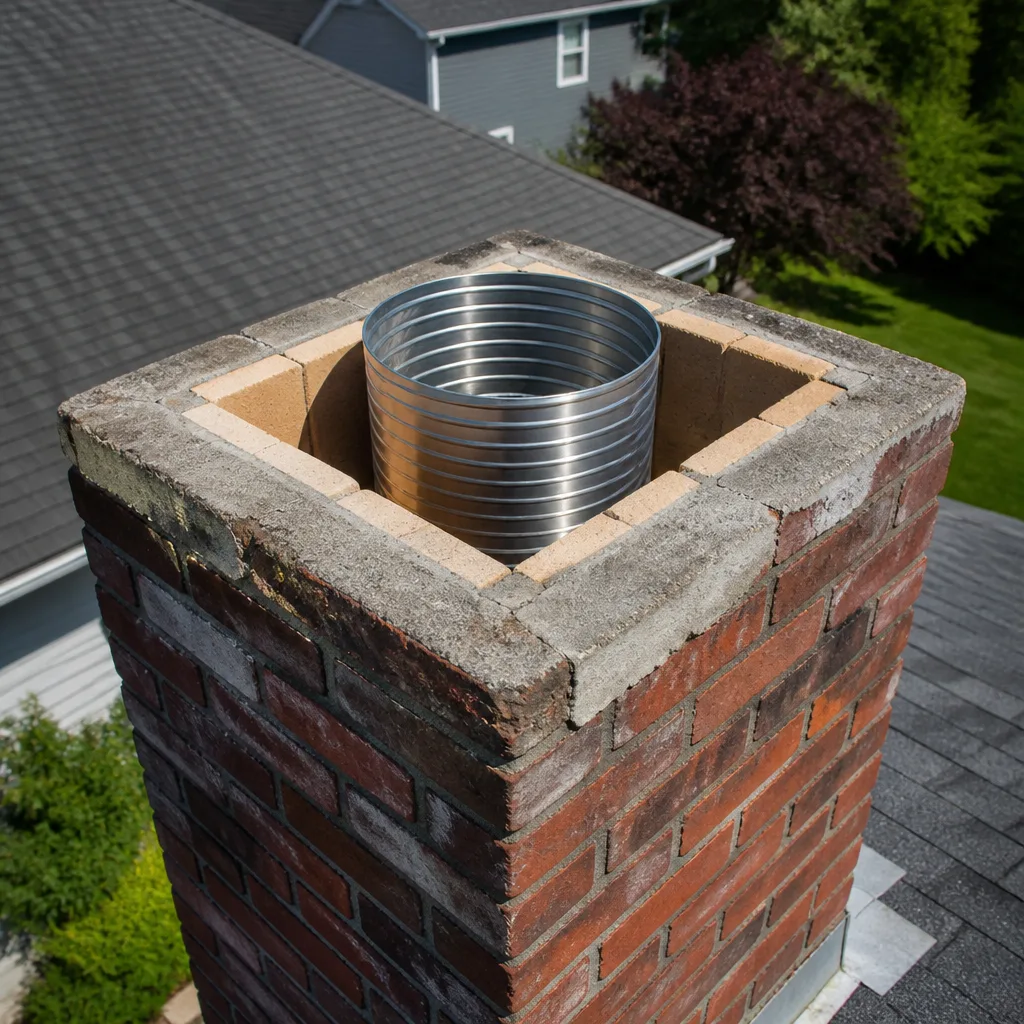 Flue relining
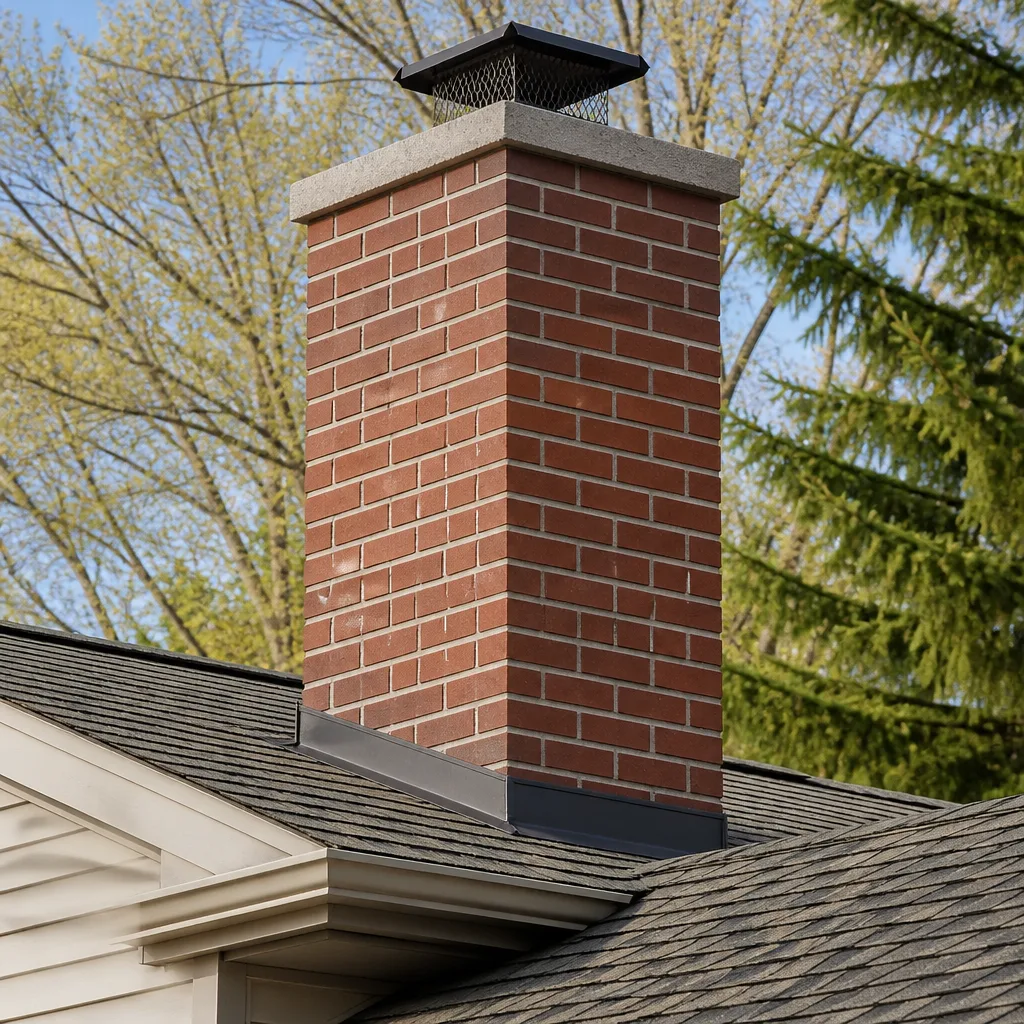 Masonry repair
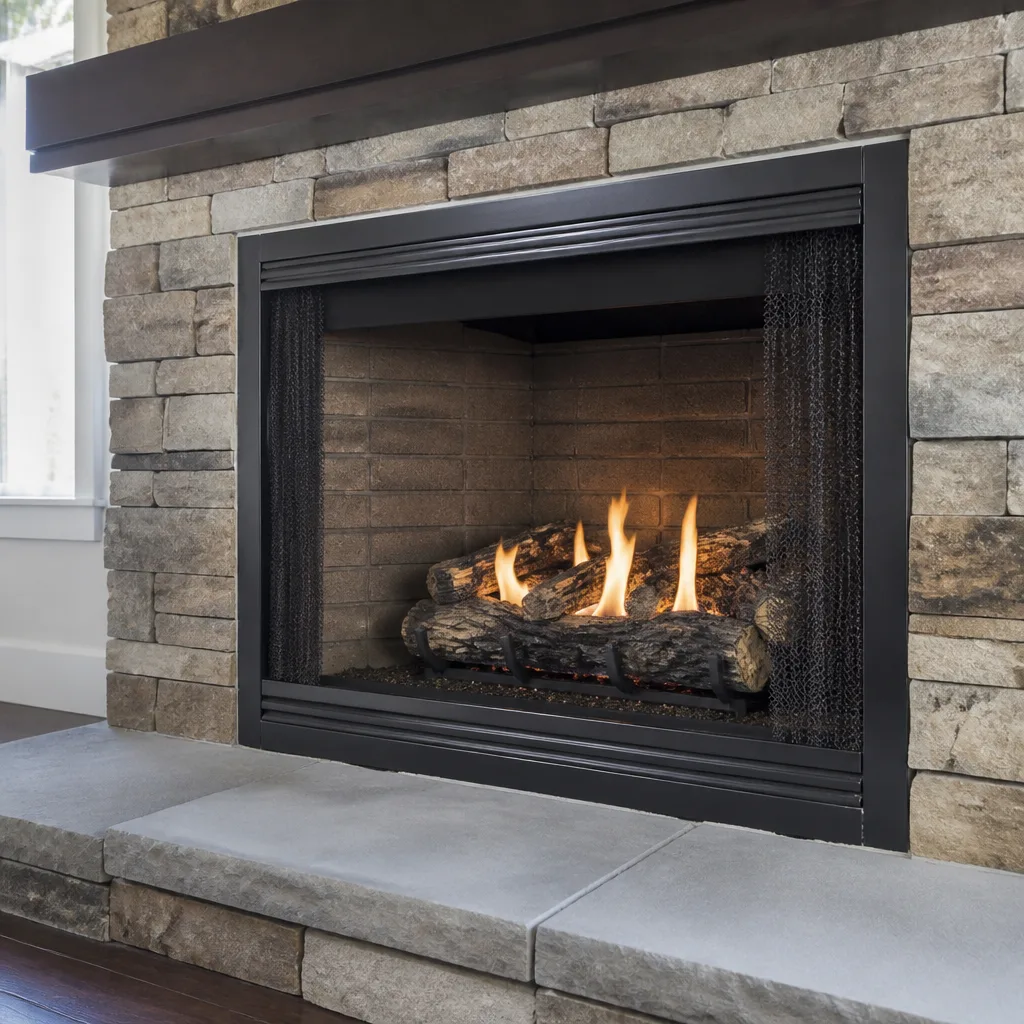 Gas fireplace service
Level 1 sweep and inspection to the NFPA 211 annual standard - flue, crown, cap, and flashing checked and photographed
Chimney sweep logs do not sweep chimneys. They loosen some creosote - which then falls where a brush and vacuum still have to collect it.
Chimney Sweep Maintenance Schedule: What to Do and When
The guideline most homeowners have heard – sweep your chimney at least once a year – was written for wood-burning fireplaces in four-season climates. Gainesville isn’t that. Our winters are mild, our burn season is short, and a growing number of local homes run gas inserts or decorative gas logs that never see a cord of wood. If you’re calling for an annual sweep out of habit while your firebox sits cold, you may be paying for the wrong service and skipping the inspection that actually protects your home. This guide builds a maintenance calendar around your chimney, your fuel, and your actual burn habits.
Quick Answer
Wood-burning fireplaces in Gainesville should be swept based on creosote buildup, not the calendar – most homes burning a cord or two a year fall in the once-every-12-to-18-month range, while heavy burners need it more often. Gas inserts and decorative gas logs don’t create creosote the same way but still need an annual inspection of the venting, cap, and connections. Late summer, after the rainy season and before the first cool front, is the smartest time to book a chimney sweep in Gainesville.
Styles & brands we work with
- Sweep & inspection
- Caps & crowns
- Flue relining
- Masonry repair
- Gas fireplace service
Table of Contents
- The Maintenance Matrix: Matching Service to Fuel Type
- Why Late Summer Is the Right Window in Gainesville
- Usage Volume: When Your Burn Rate Overrides the Calendar
- What to Check Between Professional Visits
- Maintenance Tasks That Void Insert and Liner Warranties
- Understanding the Three Levels of Chimney Inspection
- Common Mistakes to Avoid
- When to Call a Professional
The Maintenance Matrix: Matching Service to Fuel Type
There is no universal sweep schedule because there is no universal chimney. What you burn determines what accumulates, and what accumulates determines which service you actually need. Here’s how we break it down for Gainesville homeowners.
Wood-Burning Fireplaces and Wood Stoves
Wood creates creosote – the tar-like residue that builds on flue walls and, in its glazed third-degree form, becomes flammable. The NFI guideline of “at least once a year” applies here, but the real trigger is how much you burn. Wood-burning chimneys typically need:
- A sweep whenever creosote reaches roughly 1/8 inch on the flue walls, which most homes hit after one to two cords of wood.
- A Level 1 inspection with every sweep – a visual check of the accessible portions of the flue, firebox, damper, and cap.
- A Level 2 inspection if anything changes: a new appliance, a chimney fire, a remodel, or a change in how the fireplace drafts.
In our experience, a Gainesville household that lights the fireplace on the handful of genuinely cold nights each winter often lands on an every-other-year sweep. A household that burns daily through the cool months needs it annually, sometimes more.
Gas Inserts and Decorative Gas Logs
Gas doesn’t produce creosote, so a “sweep” in the traditional sense is rarely the right service. What gas units need is an inspection – annual, without exception – of the vent connection, the cap, the burner assembly, and the termination. Gas appliances can produce condensation and correct venting is a safety matter, so a trained eye on the system every year matters more than a brush on the flue.
Pellet Stoves
Pellet appliances burn cleaner than cordwood but still generate ash and fly ash that collect in the flue. Most manufacturers recommend an annual chimney and vent cleaning plus a full internal cleaning at the end of the burn season. Leftover ash holds moisture through the humid Gainesville summer, and moisture is what degrades metal vent pipe.
Decorative and Vent-Free Units
Ventless and decorative gas units don’t route exhaust through a chimney at all, so the chimney itself doesn’t require a sweep. They do need periodic inspection of the burner and the room’s ventilation, and we recommend a professional check anytime you notice odor, sooting, or a flame that looks off.
Why Late Summer Is the Right Window in Gainesville
Northern chimney guides tell you to book your sweep in early fall so you’re ready for the first freeze. Gainesville runs on a different clock. Our burn season typically starts when the first cool fronts arrive in late October or November and tapers off by March. That makes late summer – August and September – the smartest window for service.
Three reasons:
- You clear the summer buildup before you burn. Warm, humid months give pests, moisture, and debris a long stretch to move in. A sweep and inspection right before the season starts means you’re not lighting a fire into a flue full of bird nesting material.
- You catch damage before it becomes a repair. A cap knocked loose by a summer storm, a cracked crown, or a rusted chase cover is cheap to fix in August and expensive to fix after water has worked into masonry for months. That’s one reason we source Gelco and Famco caps and covers for a proper custom fit rather than a hardware-store approximation.
- You get a written record before the season, which matters if your insert or liner manufacturer requires documented service.
By contrast, booking in November means waiting in line with everyone else who just remembered their fireplace exists. Late summer service in Gainesville is quieter, easier to schedule, and leaves time for any repair the inspection turns up.
Usage Volume: When Your Burn Rate Overrides the Calendar
Calendar-based scheduling is a starting point, not a rule. What actually drives how often you need attention is how much you burn and how you burn it.
Tracking Your Burn
For wood-burning households, count cords, not months. A rough guide:
- Under half a cord per season – occasional fires on cold nights, often the case in Gainesville. Sweep every other year, inspect annually.
- One to two cords per season – regular winter use. Annual sweep and inspection.
- Three or more cords, or daily burning – treat this as a heavy-use chimney and plan on an annual sweep at minimum, with a mid-season visual check of the firebox and cap.
For gas insert owners, hours matter more than fuel volume. A gas insert that runs continuously through the cool months sees far more condensation and thermal cycling than one that runs a few evenings a year, and the annual inspection becomes more important, not less.
Burn Practices That Change the Math
How you build fires matters as much as how often. Seasoned, well-dried wood produces less creosote than green or unseasoned wood. Small, hot fires produce less than long smoldering ones. A slow-burning fire with the damper nearly closed deposits far more creosote than a properly drafted blaze. If your fireplace tends to smolder, plan on more frequent attention. If you burn hot and clean, the schedule stretches.
Because your actual practice determines the answer, we check buildup on the flue during each visit and tell you what we find rather than quoting a fixed interval.
What to Check Between Professional Visits
You shouldn’t be climbing onto the roof or pulling parts out of the firebox. But a few safe, quarterly checks between professional visits catch problems early and take a few minutes each.
- Cap condition from the ground. A quick look with binoculars at the top of the chimney tells you if the cap is still seated, if any screen is torn, or if the whole assembly has shifted. A missing or damaged cap is the fastest way for animals and rain to get in.
- Damper operation. Open and close the damper fully. It should move smoothly and seat flush. A damper that won’t close all the way leaks heat and lets cold, humid air into the flue during the off-season.
- Animal intrusion signs. Listen for scratching or fluttering, look for nesting material, droppings, or feathers in the firebox, and check for a lingering odor that wasn’t there before. A screened cap is the real fix, and if yours is missing or damaged, it should be replaced before anything else.
- Water staining and efflorescence. Look at the visible masonry above the firebox and the top of the chimney chase. White chalky deposits or dark staining after rain can mean moisture is getting in through the crown or flashing.
- Firebox interior. Check for loose or crumbling mortar joints, cracked firebrick, or metal components that look rusted or warped. Take a photo and flag it for the next professional visit.
If a check turns up something that worries you, don’t wait for the scheduled service. It’s worth a call to look at it sooner.
Maintenance Tasks That Void Insert and Liner Warranties
This is the part most homeowners don’t think about until they have a claim. Insert and liner manufacturers require documented service as a condition of warranty coverage. Skip the annual inspection, and a warranty claim on a failed liner or a cracked insert baffle can be denied.
What manufacturers typically require:
- Annual inspection and cleaning by a qualified chimney professional – so keep the written inspection report from each visit.
- Proper fuel – burning trash, treated wood, or unseasoned wood voids coverage on most inserts and liners.
- Venting that matches the appliance – an insert installed with the wrong liner or the wrong termination height is the most common cause of denied claims.
- Documented maintenance records – a receipt or report from each service, kept with the appliance paperwork.
Professional-grade materials make a difference here too. When we install a DuraFlex flexible liner system, the warranty is real and the documentation matters, and we work with HeatShield for liner restoration when the existing flue is sound but the inner surface needs resurfacing. HeatShield is a repair-tier option most local competitors don’t offer, and it can extend the life of a liner without the cost of full replacement. When it’s the right call, we’ll say so. When it isn’t, we’ll say that too.
If your insert manufacturer requires documented service, keep every report. If you aren’t sure what your manufacturer requires, ask at your next inspection and we’ll help you understand what’s on record.
Understanding the Three Levels of Chimney Inspection
The word “inspection” gets used loosely. In the trade, there are three distinct levels, and knowing which one you’re getting matters.
- Level 1 – a visual check of readily accessible portions of the chimney, firebox, and flue with basic tools. This is the standard that accompanies an annual sweep.
- Level 2 – everything in Level 1 plus a video camera inspection of the flue and accessible attics, crawlspaces, and other concealed areas. Required when a new appliance is installed, after a chimney fire or seismic event, or when a property changes hands.
- Level 3 – everything in Level 2 plus removal of components (such as a crown or interior wall) to access concealed areas. This is a diagnostic step, not routine service.
For most Gainesville homes on a normal schedule, Level 1 with a sweep is the standard visit. If we’ve never seen your chimney, if the home is new to you, or if your fireplace has changed behavior, a Level 2 camera inspection is worth doing once. It gives us and you a clear look at the flue interior and, importantly, a record you can compare against in future years. Since we handle inspection, sweep, and repair in-house, we don’t sub anything out. One visit, one report, one point of contact.
Common Mistakes to Avoid
- Sweeping on a fixed calendar instead of on buildup. A gas-insert household doesn’t need a sweep every year, and a heavy wood burner sometimes needs it more than annually. Match the service to the fuel and the burn rate.
- Skipping the inspection because the sweep “looked fine.” The sweep clears the flue, but the inspection is what catches the cracked crown, the failing cap, and the interior liner damage that a brush alone can’t reveal.
- Burning green wood to stretch a cord further. Unseasoned wood produces more creosote, which means more frequent sweeps and a higher fire risk. Seasoned wood costs more and saves money.
- Waiting until November to book. Late summer is the quiet window in Gainesville – after the rainy season and before the first cool fronts – and it leaves time to address whatever the inspection finds.
- Using a general handyman instead of a chimney specialist. Chimney work is a defined trade. An inspection from someone who also does roofing, HVAC, and gutters may miss liner problems a chimney-only technician will spot immediately.
- Ignoring animal intrusion. A damaged cap lets birds and squirrels in. Left alone, nesting material becomes a fire hazard and a blockage the first time you light the fireplace. A properly fitted Gelco or Famco cap solves it.
- Assuming a home warranty or previous owner handled maintenance. In a recently purchased Gainesville home, there’s often no service record at all. A Level 2 inspection establishes the baseline you need.
When to Call a Professional
Some maintenance is safe to check yourself, but several situations call for a trained technician. Call us if you notice any of the following:
- You smell a strong, acrid odor from the fireplace even when it isn’t in use
- Smoke backs into the room when you light a fire, or the draft is noticeably weaker than last season
- You can see cracked or crumbling mortar in the firebox, or white chalky staining on the chimney’s exterior
- You hear scratching or fluttering in the chimney, or find nesting material in the firebox
- It’s been more than two years since the last professional inspection, or you have no record of service from a previous owner
- You’ve had a chimney fire, however small
- You’re installing a new insert, changing fuel type, or selling a home
Heads-up on the dangerous part: none of the interior liner, crown, or firebox work should be attempted from a ladder or the roof edge. High work and interior flue components are exactly where a trained professional belongs, and a chimney specialist has the camera and the training to see what’s actually going on inside.
Gainesville Chimney Cleaning offers free estimates in Gainesville – call (844) 834-5386. All three core services – sweep, inspection, and repair – are handled start to finish by our own technicians. Our technicians have up to 11 years of experience, and every one of them is a chimney specialist, not a rotating generalist. Call (844) 834-5386. We answer 24/7. Fast dispatch from 7am to 7pm, Sunday through Friday.
Frequently Asked Questions
Most Gainesville wood-burning households should be swept every 12 to 18 months, or based on creosote buildup rather than the calendar. Heavy burners – three or more cords a season – should be swept annually. Gas insert owners typically don’t need a sweep, but they do need an annual inspection. Call (844) 834-5386 to schedule an assessment, and we’ll tell you what your chimney actually needs.
Yes – an annual inspection is worth doing even for a lightly used fireplace. The inspection catches cap damage, water intrusion, animal nesting, and early liner wear that have nothing to do with how much you burn, and Gainesville’s humid summer is often the bigger driver. Book the inspection; you can always skip the sweep if buildup doesn’t call for it. Call (844) 834-5386 for a free estimate.
Late summer is the best window in Gainesville. Booking in August or September, after the rainy season and before the first cool fronts, clears summer buildup and gives you time to address any repair the inspection finds before the burn season starts. Fall works too, but it’s the busiest window and leaves less room for repairs. Call (844) 834-5386 to book before the season starts.
A sweep clears creosote and debris from the flue; an inspection is the assessment that tells you the condition of the liner, cap, crown, and firebox. You need both, and on most standard visits we do them together. Since we handle sweep, inspection, and repair under one roof, one appointment covers the full picture. Call (844) 834-5386 to schedule.
Depending on your fuel and use, some tasks can wait a season and others can’t. A light-use wood-burning fireplace with no obvious symptoms can often wait until the next late-summer window. Anything involving a strong odor, visible damage, or an animal intrusion should be seen sooner. Call (844) 834-5386 and we’ll give you a straight answer on whether it can wait.
Yes – gas inserts don’t need a sweep in the traditional sense, but they do need an annual inspection of the vent connection, cap, and burner. Skipping it can void manufacturer warranties, and venting problems on gas appliances are a safety matter worth catching early. Call (844) 834-5386 for a gas-specific inspection.
The Bottom Line
A chimney maintenance schedule that actually fits your home comes down to three variables: what you burn, how much, and when in the year you book it. Wood-burning fireplaces need a sweep on buildup, not a fixed date, with an annual inspection alongside. Gas inserts and decorative logs need an annual inspection even though they don’t need a sweep. Pellet stoves need an end-of-season cleaning plus an annual check. And in Gainesville, the smartest window for all of it is late summer, before the burn season starts. When you’re ready, we handle the full arc – inspection, sweep, and repair – with professional-grade materials and no subcontracting. Call (844) 834-5386 for a free estimate.
Written by the team at Gainesville Chimney Cleaning.
Ready to get on a schedule? Reach out to Gainesville Chimney Cleaning for a straightforward assessment, book a chimney sweep before the burn season, or call us directly at (844) 834-5386 to talk through chimney repair options. We work with homeowners across Gainesville and the surrounding area. We answer 24/7. Fast dispatch from 7am to 7pm, Sunday through Friday.
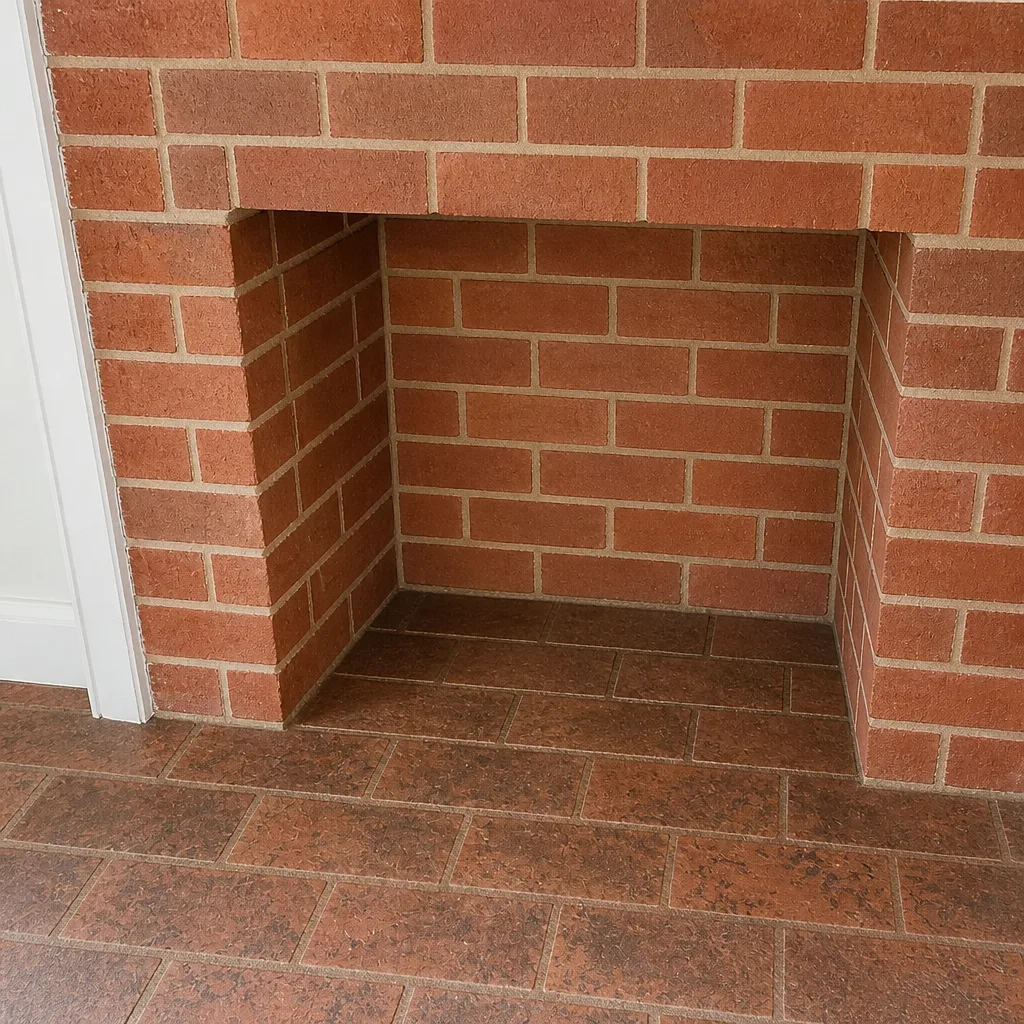
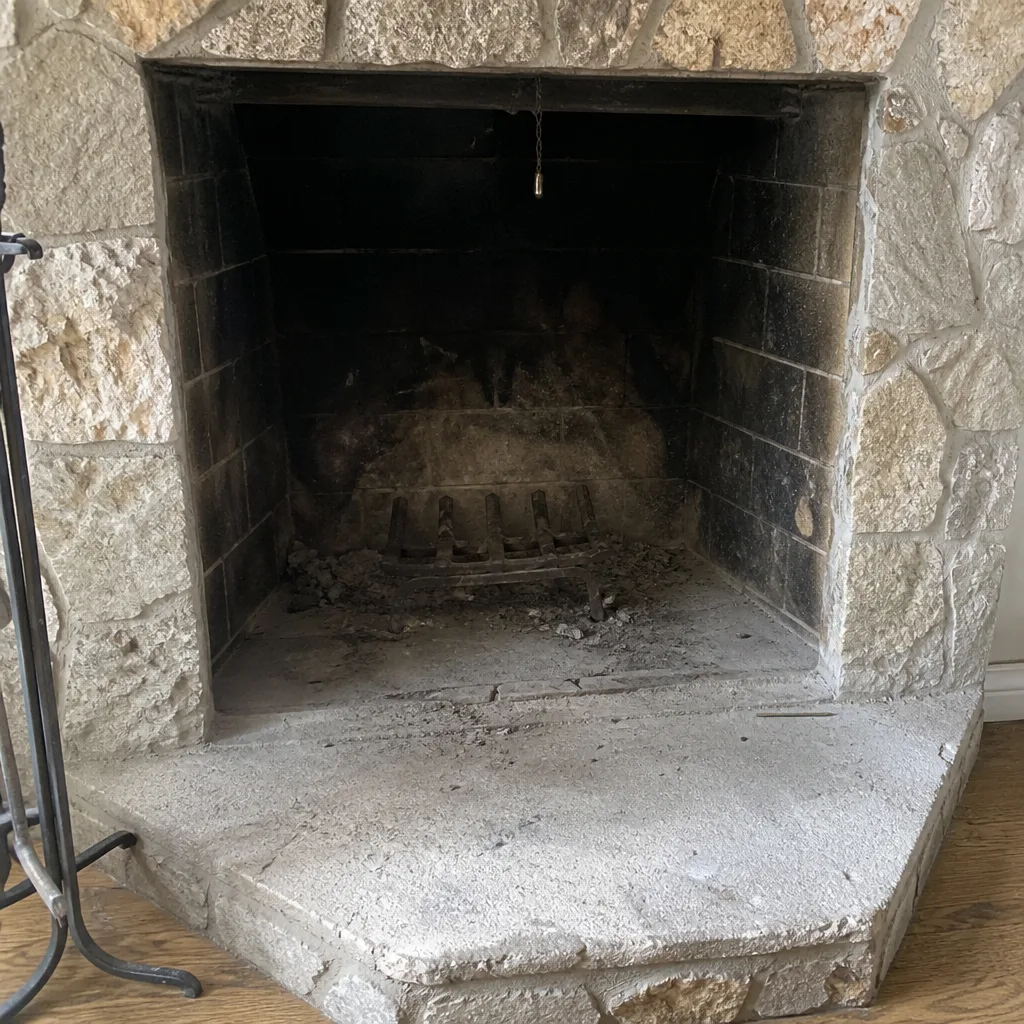
See the difference
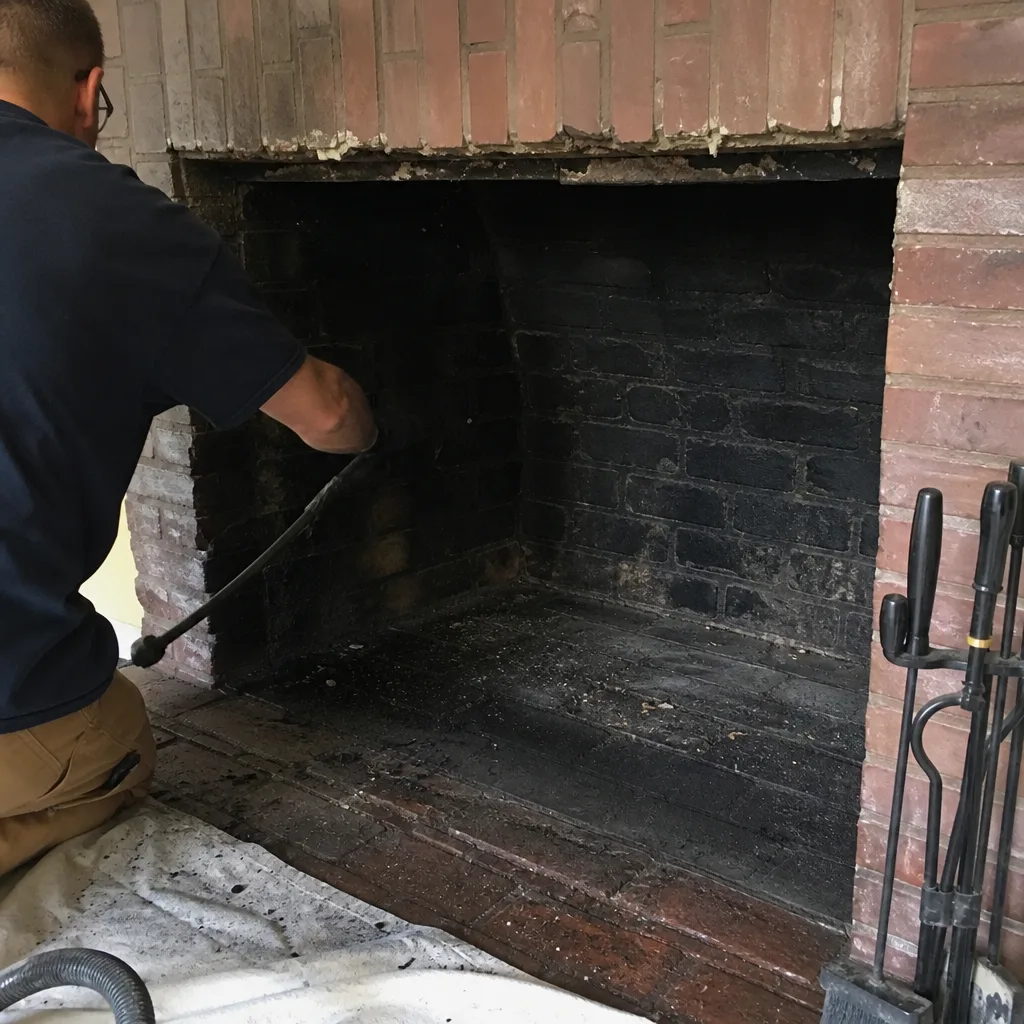 Before
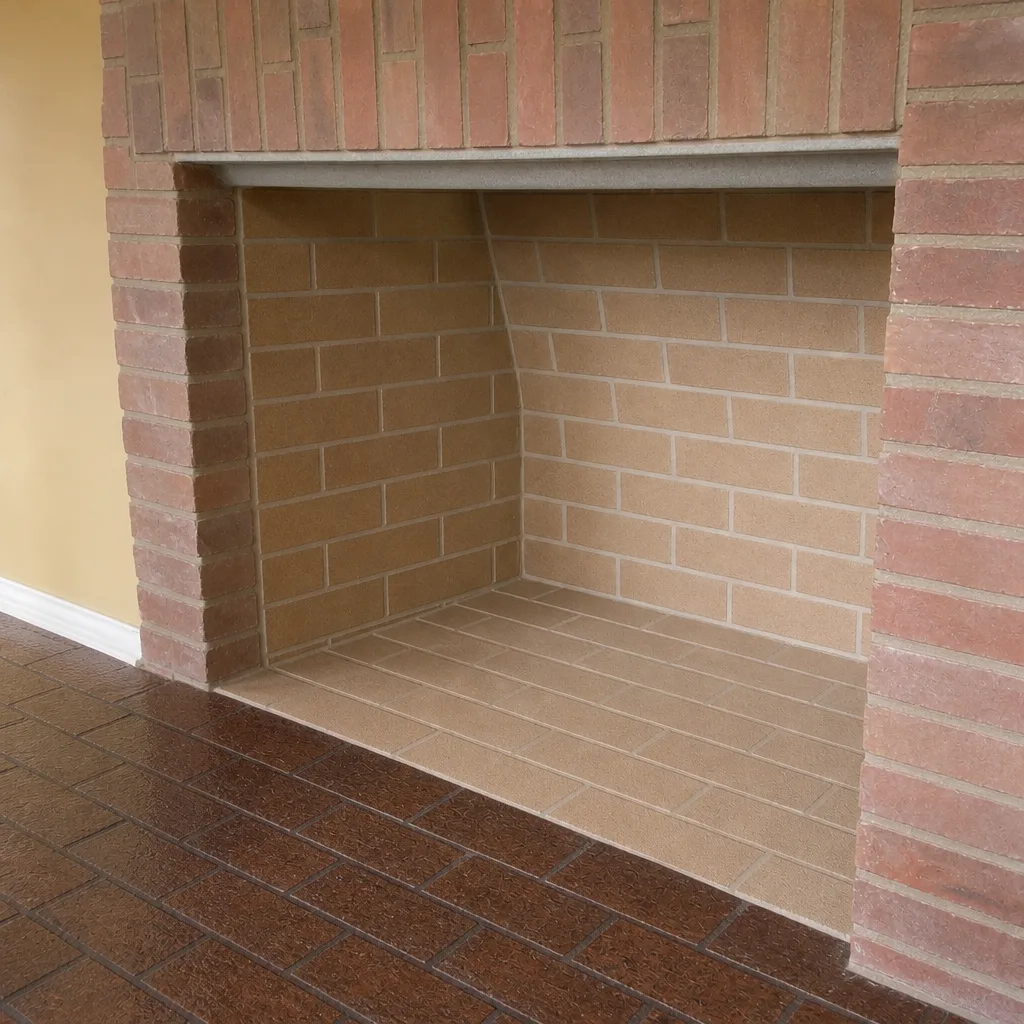 After
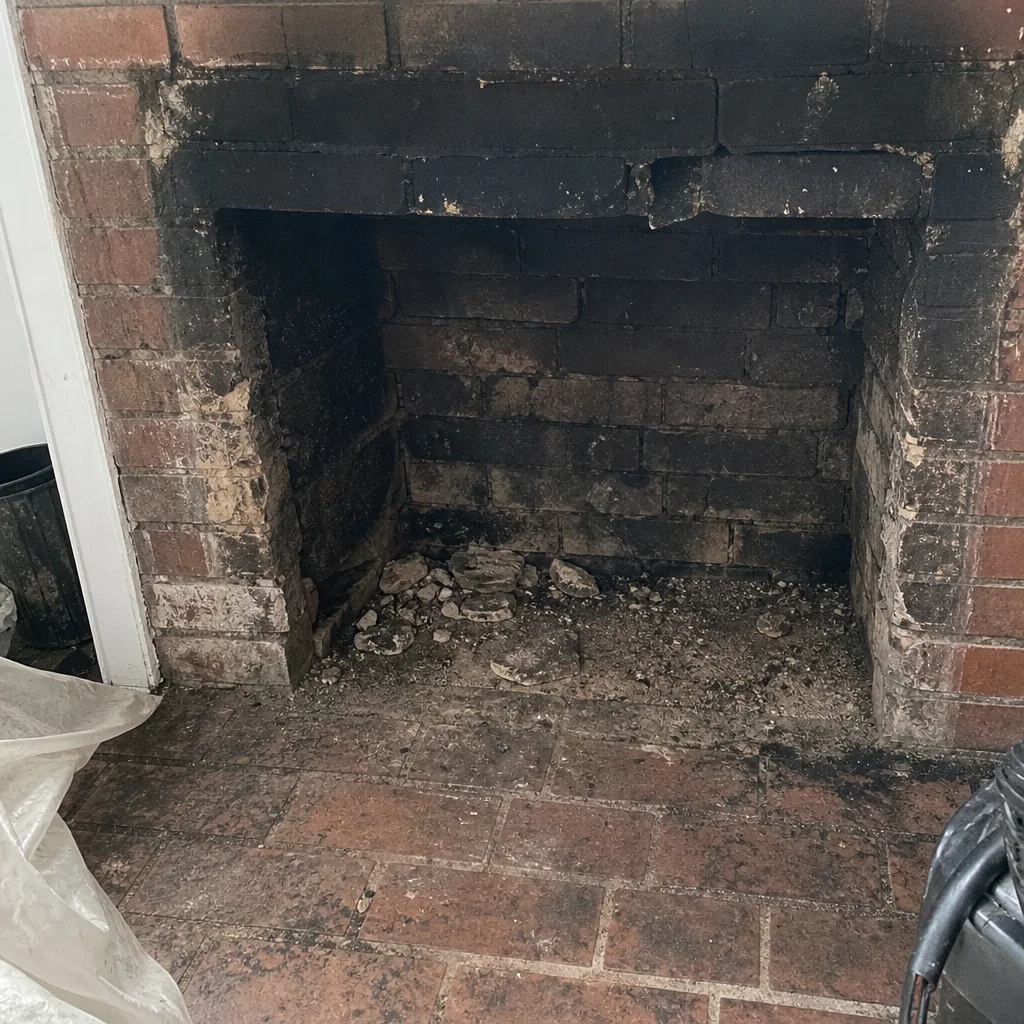 Before
 After
 Before
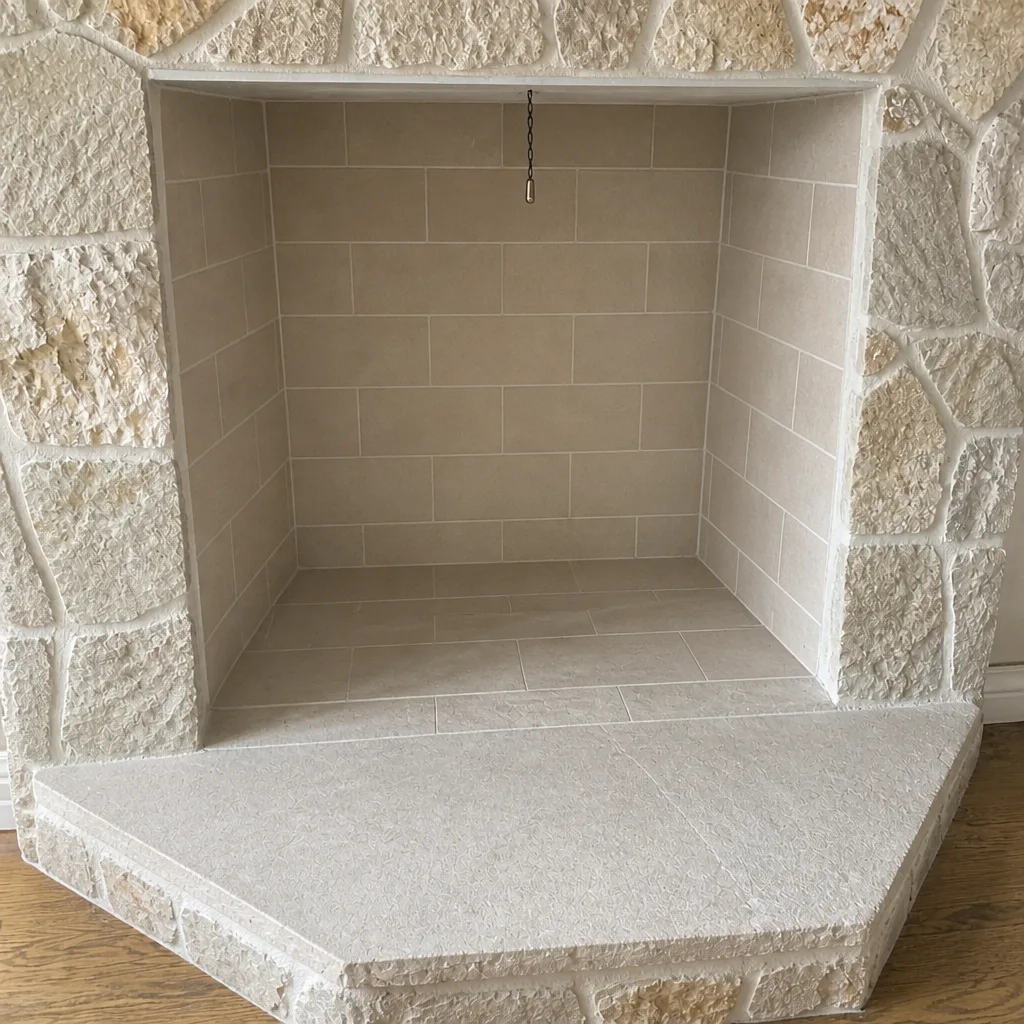 After