
Last updated November 15, 2026
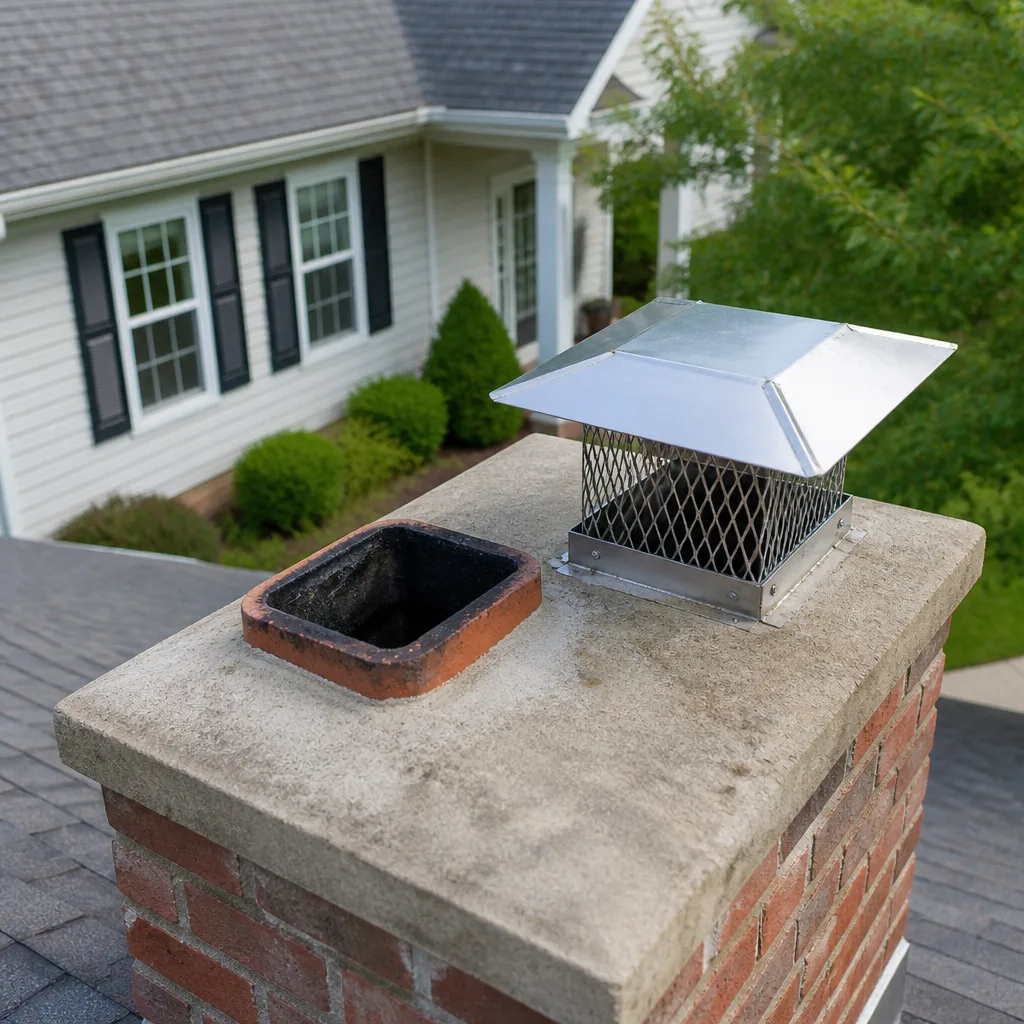 Sweep & inspection
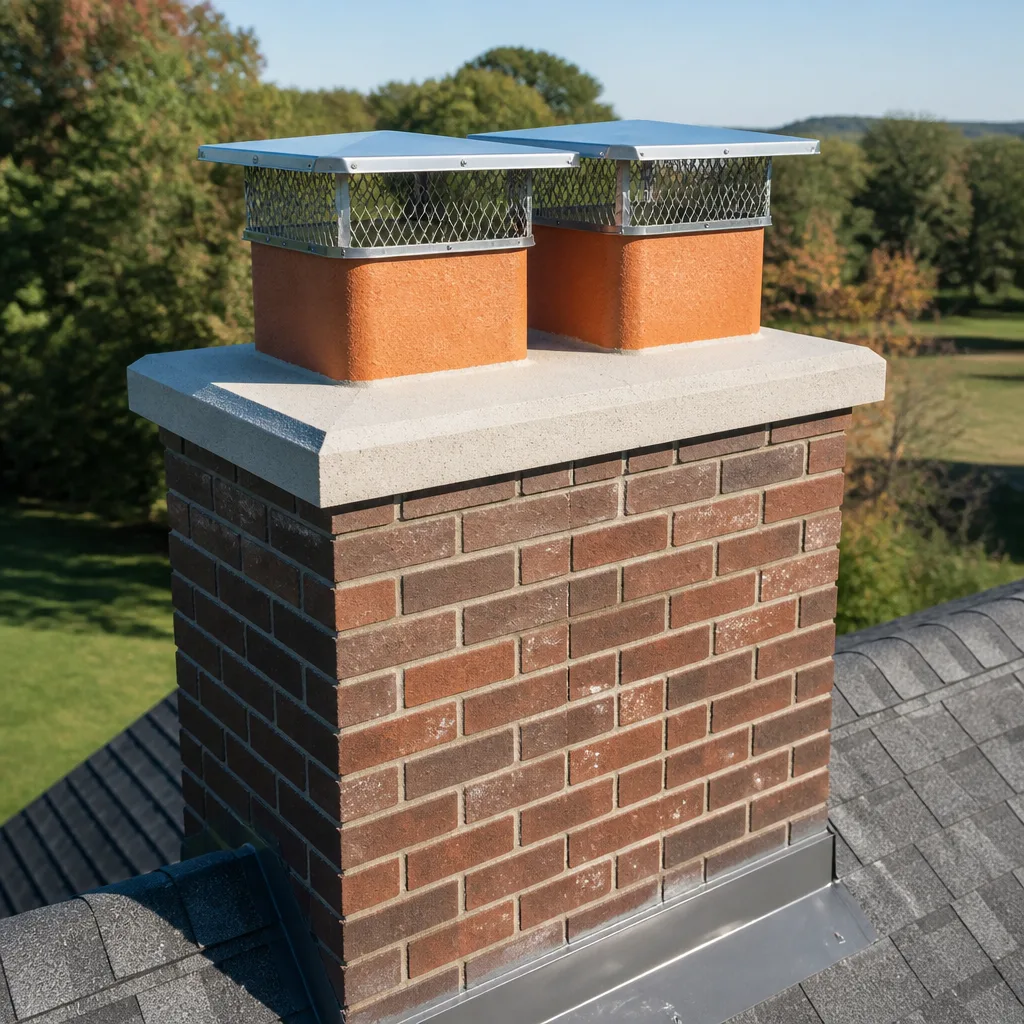 Caps & crowns
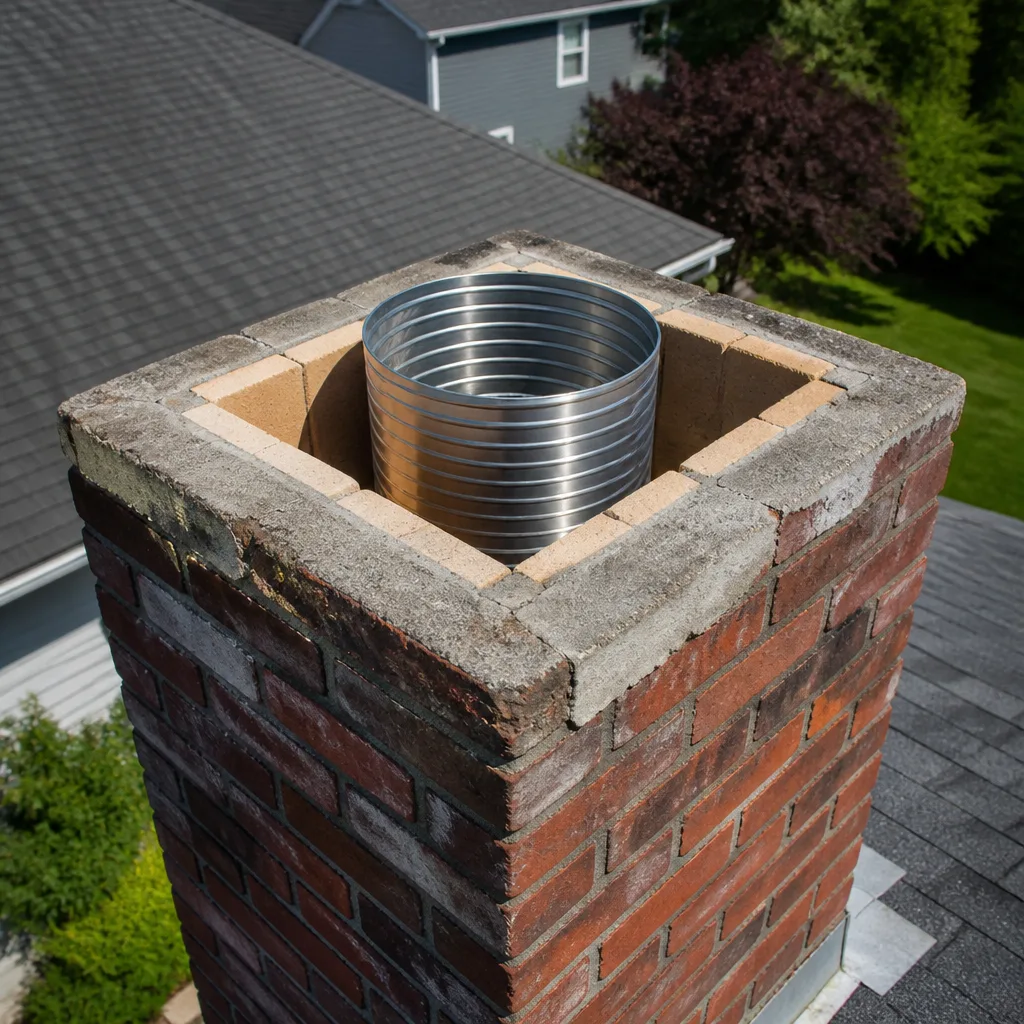 Flue relining
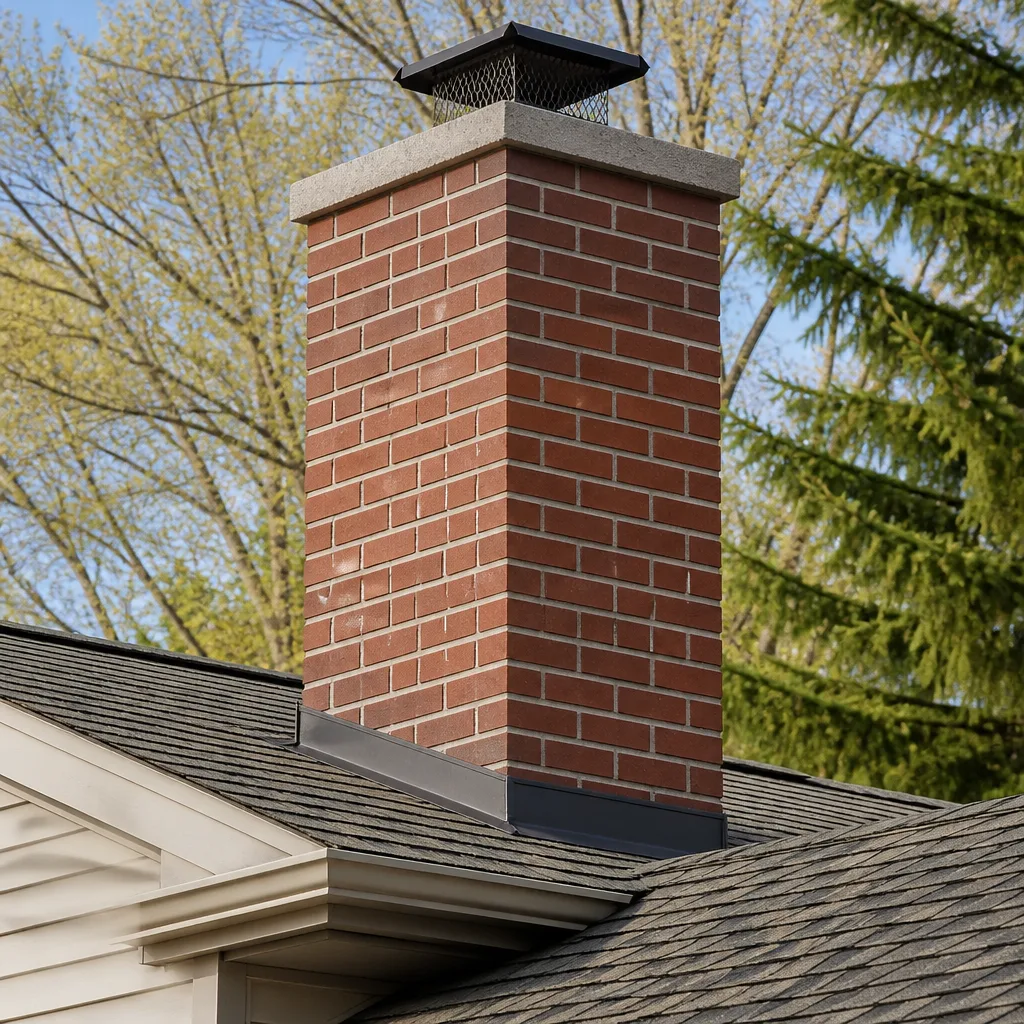 Masonry repair
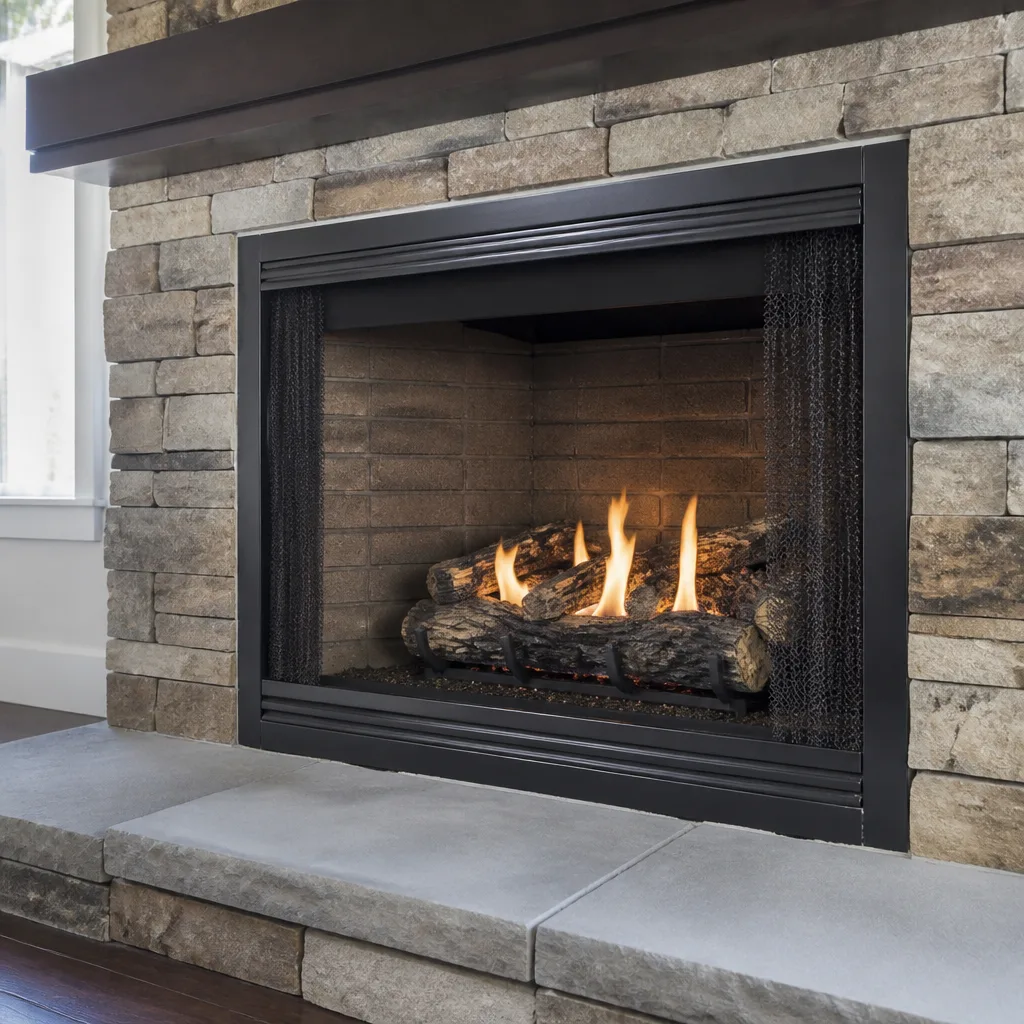 Gas fireplace service
Level 1 sweep and inspection to the NFPA 211 annual standard - flue, crown, cap, and flashing checked and photographed
Chimney sweep logs do not sweep chimneys. They loosen some creosote - which then falls where a brush and vacuum still have to collect it.
The Complete Guide to Chimney Cleaning in Gainesville
Most Gainesville homeowners burn fewer than 20 fires per season, and that low usage is exactly what causes their chimney problems. It sounds backwards, especially if you grew up hearing about chimneys in cold climates that see a fire most nights from October to March. But a chimney that sits idle nine months a year in a humid climate collects moisture, and moisture is what turns a thin film of creosote into a sticky, corrosive deposit that clings to masonry and liner alike. In this guide we’ll walk through what a complete chimney care plan looks like for a Gainesville home, how inspections actually work, what the local tree canopy does to your flue, and how to tell whether you need a cleaning visit or a full inspection-to-repair appointment.
Quick Answer
A chimney cleaning in Gainesville typically involves a professional sweep plus a Level 1 inspection, and most wood-burning fireplaces need it once a year even when they’re burned lightly. Low use in high humidity matters more than heavy use up north: condensation, not fire volume, drives most of the creosote and masonry damage we see locally. The right plan is annual service timed before your burning season starts, not after.
Styles & brands we work with
- Sweep & inspection
- Caps & crowns
- Flue relining
- Masonry repair
- Gas fireplace service
Table of Contents
- Why Gainesville Chimneys Age Differently
- Why Low-Use Fireplaces Get Into Trouble
- How Gainesville’s Tree Canopy Affects Your Creosote
- Level 1, 2, and 3 Inspections Explained
- The Florida Inspection Checklist
- Cleaning Visit vs. Full-Service Appointment
- What Chimney Cleaning Costs in Gainesville
- How Often Should You Schedule a Sweep?
Why Gainesville Chimneys Age Differently
Chimneys in Gainesville face a different set of stressors than the ones in cold-weather guides. The biggest factor is humidity. Relative humidity that sits near 90% through much of the year means masonry stays damp far longer than it would in a dry climate, and damp masonry wicks moisture inward. Add nine months of idleness and you get a slow, invisible deterioration that has nothing to do with how much wood you burn.
Fireplaces here also run shorter careers per fire. Where a New England household might burn four cords a winter, a typical Gainesville household burns a fraction of that, often in a handful of chilly evenings in January and February. That creates a specific pattern: fewer hot fires to dry out the flue between uses, more residual moisture, and creosote that condenses rather than baking off.
We’ve learned, working across Gainesville, to look for moisture-driven problems first. That means checking:
- Crown and mortar joints for hairline cracks that let rainwater in
- Flue tile interiors for glazed or tar-like creosote deposits that don’t look like the sooty flakes you see in cold-climate photos
- Dampers and smoke chambers for rust or corrosion
- Exterior masonry for efflorescence (white mineral staining that signals water moving through brick)
- Chimney caps for missing screens, cracked crowns, and animal entry
Those five checks alone catch the majority of problems in Gainesville homes. If a company shows up and only runs a brush down the flue, ask what they saw at the top and inside the smoke chamber. The crown and cap tell you as much about a chimney’s condition as the flue does.
Why Low-Use Fireplaces Get Into Trouble
Here’s the part that surprises people: a fireplace that burns ten fires a year is not automatically a safe fireplace. Hot, frequent fires do one useful thing for a chimney. They drive off moisture and keep small creosote accumulations from turning into a thick, sticky glazed deposit that comes off with a chisel. A lightly used chimney lacks that drying effect. Moisture sits. Creosote that would have burned off in a busy fireplace instead hardens into a deposit that’s tougher to remove and more likely to be a fire hazard over time.
The same logic applies to gas fireplaces and inserts, which are common in Gainesville new construction and retrofits. A gas fireplace doesn’t produce creosote, but it does produce moisture and can host nests, debris, and rusted liners if it sits unused. Venting systems on gas appliances still need periodic inspection, just for different reasons.
Humidity matters even more when the flue goes long stretches cold. Warm, moist air rising up a warm flue behaves very differently from warm, moist air hitting a cold flue interior. In our experience, the homes that show the worst moisture damage are the ones whose fireplaces went one, two, or three seasons without any service at all. Nothing dramatic happened. The damage just accumulated slowly, the way a wet towel left in a corner does.
If your fireplace hasn’t had eyes on the flue in more than a year, one service call is what tells you whether it’s in good shape or has been quietly absorbing moisture. A chimney sweep plus an inspection catches that in a single appointment.
How Gainesville’s Tree Canopy Affects Your Creosote
Gainesville’s live oak and pine canopy is one of the reasons this city feels like it does. It’s also a factor in what your chimney collects. Two things happen when a chimney sits under tree cover:
- Organic debris builds up on the cap and crown. Live oak leaves, twigs, pine needles, and small seed pods settle on top and decay. Wet leaf litter holds moisture directly against the crown, which accelerates cracking in masonry and rust on metal caps.
- Shade slows drying. A chimney under heavy shade stays damp longer after a rain than one in full sun, which reduces the useful drying hours between storms. Over years, this affects the rate at which creosote stabilizes and masonry holds up.
Pine contributes a second issue: resin-rich smoke deposits. Pine burns hot and fast, and while it’s a legitimate fuel source in Florida, it produces a deposit that can be tackier than hardwood creosote. Soot from a pine-heavy diet often mixes with moisture to form a deposit that’s harder to brush out than a dry, powdery hardwood soot.
The practical fix is straightforward. Fit a proper cap with a screen, and check it once a year. We install Gelco and Famco caps and covers specifically because they hold up to this kind of exposure better than the one-size-fits-all caps sold at consumer hardware stores. A cap that seals tightly and screens properly keeps leaves out of the flue and slows the moisture cycling that ages masonry.
Level 1, 2, and 3 Inspections Explained
The inspection levels come from a national standard, and every sweep should be able to explain which level your appointment actually covers. Here’s what each one is, in plain terms.
Level 1 Inspection
A visual check of all the readily accessible parts of the chimney and venting system, done during a normal service visit. It covers the firebox, damper, smoke chamber, visible flue sections, and the exterior at ground level. This is the default inspection during an annual cleaning, and it’s what most Gainesville homeowners need when nothing has changed since the last visit.
Level 2 Inspection
Required when something changes: a new appliance, a fuel switch, a property sale, a chimney fire, an earthquake, or a change to the chimney structure. It goes beyond the Level 1 visual check and includes a video scan of the flue interior, plus accessible attic, crawlspace, and chimney chase inspection where relevant. For Gainesville, a Level 2 is worth asking about when you’ve bought a home, added a gas insert, or switched from wood to gas.
Level 3 Inspection
Reserved for situations where parts of the chimney have to be opened up or removed to reach a hidden problem. Level 3 is diagnostic and comes after a Level 1 or Level 2 has flagged something that can’t be seen otherwise. Most homeowners never need one, but it’s the right call when a concealed problem is suspected.
Here’s where it gets practical: ask which level your appointment covers before anybody starts. If a company walks in and just does a brush-and-go without telling you what was inspected, you don’t know what level you got. Our technicians have up to 11 years of experience, and one of the things that experience teaches is how much value sits in explaining the level before the work starts.
The Florida Inspection Checklist
A standard inspection template written for a cold-climate house misses several things that matter in Gainesville. Here’s what we actually check, in numbered order, because the sequence affects what gets caught.
- Cap and crown first. Anything sitting on top of the chimney tells you about the year it’s had. Missing screens, cracked crowns, and animal entry points all show up before you go inside.
- Exterior masonry and flashing. Efflorescence, spalling brick, degrading mortar, and gap in the flashing at the roofline. Florida sun on masonry is hard on flashing sealant.
- Firebox and damper. Cracks in firebrick, a damper that doesn’t fully open or seal, and rust on metal components from humidity.
- Smoke chamber. The sloped area above the damper. This is where creosote lingers and where the first signs of moisture trouble often appear.
- Flue interior. Visible flue tile sections during a Level 1, video scan during a Level 2. Look for gaps, offsets, and glazed deposits.
- Chase and attic penetration. On a Level 2, this is where you catch insulation problems, water intrusion, and clearance issues.
- Gas appliance venting, if present. Separate check for gas fireplaces, inserts, and water-heater or furnace flues.
The order matters because the exterior tells you what to look for inside. If you see spalling brick at step two, you go into step five expecting moisture findings. Skipping the exterior because “the sweep is inside anyway” is one of the most common shortcuts we see.
Cleaning Visit vs. Full-Service Appointment
These are two different things, and figuring out which one you actually need saves time and money. A cleaning visit is a sweep: brush down the flue, clear the firebox and smoke chamber, clean the cap, and run a Level 1 visual. It’s what you schedule when your appliance hasn’t changed, your usage is stable, and you just want the annual maintenance done.
A full-service inspection-to-repair appointment adds a decided-up plan. You get the sweep, the inspection, and, when findings warrant it, an estimate and a repair scheduled as part of the same visit or as a follow-up, with no subcontracting between companies. That distinction matters more than it sounds. Most homeowners who end up needing a repair shouldn’t have to re-book a second visit with a different company and start over.
Here’s a quick way to decide:
- Schedule a cleaning if: you burn regularly, your fireplace was serviced last year, and nothing has changed.
- Schedule a full inspection if: you’ve just bought the home, switched fuels, added an insert, or noticed a change (draft, odor, visible damage, a chimney fire).
- Schedule a repair-focused appointment if: you already know something’s wrong. That’s when we bring in chimney repair expertise and materials like HeatShield for liner restoration, or DuraFlex for a flexible liner replacement.
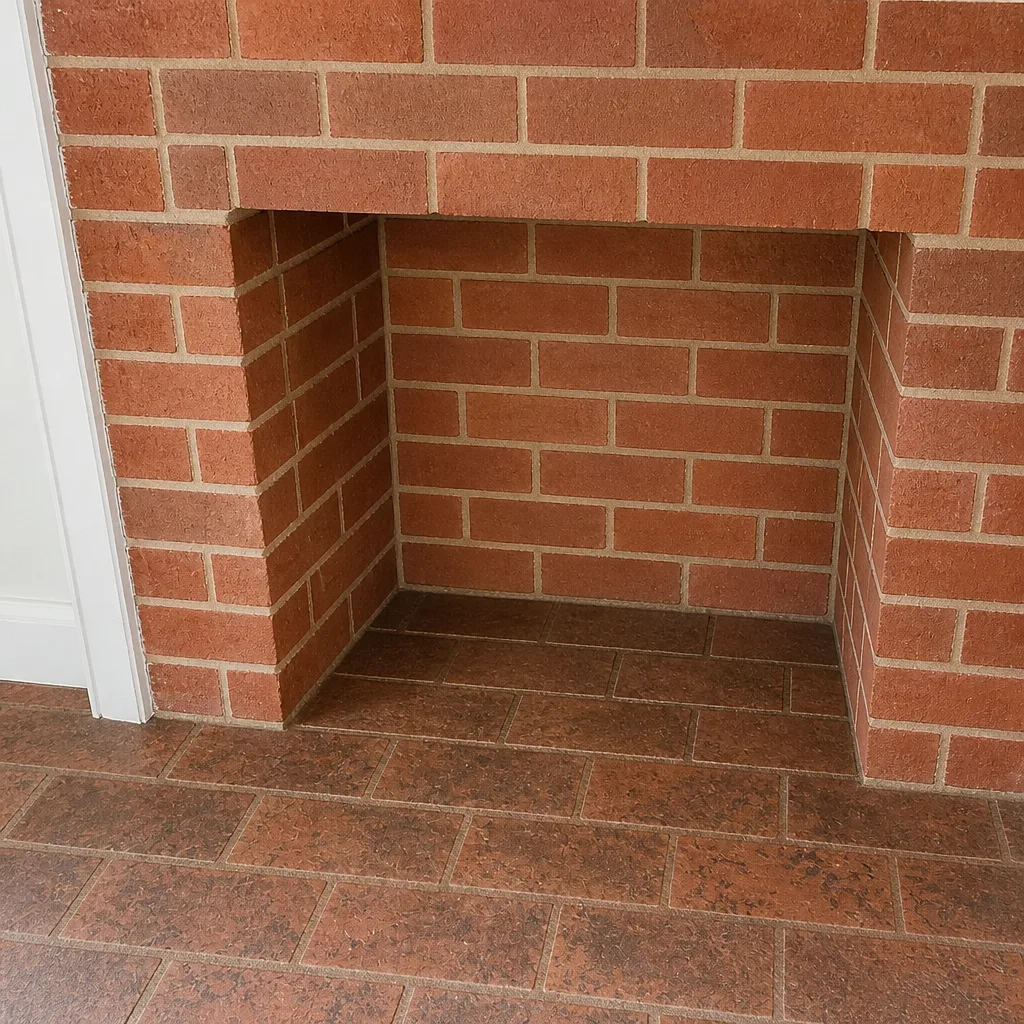
HeatShield deserves an explanation, because it’s not something every local competitor offers. It’s a resurfacing system: instead of pulling the old liner and installing a new one, the existing liner gets restored from the inside with a durable, smooth coating. The result is a chimney that behaves like a new one at a fraction of the cost of full relining, when the existing liner qualifies. That’s not a universal fix. It works on certain conditions and not others, and we tell homeowners which category they’re in before they commit. DuraFlex handles the other side of that conversation, for liners that are too far gone to restore.
What Chimney Cleaning Costs in Gainesville
Chimney cleaning in Gainesville generally ranges from about $180 to $350 for a standard sweep with a Level 1 inspection, and repairs, when needed, are estimated separately after the inspection findings. Prices vary with the type of appliance, the condition of the flue, and how much creosote or debris there is to remove. Every price we give is set in writing before we book the work, and the written estimate is the final word.
| Service | Typical Estimated Range |
|---|---|
| Standard chimney sweep with Level 1 inspection | $180 – $350 |
| Gas fireplace or insert cleaning and inspection | $150 – $300 |
| Level 2 inspection with video scan | Quoted separately based on chimney configuration |
| HeatShield liner restoration | Quoted after inspection, based on liner condition |
| DuraFlex flexible liner installation | Quoted after inspection, based on flue dimensions and appliance |
| Cap and screen installation (Gelco or Famco) | Quoted based on chimney size and cap type |
A few notes on those ranges. Gas appliance cleaning is often lower because there’s no creosote to remove, but the inspection can be more involved because of the venting check. Level 2 inspections and repair work get quoted after the inspection reveals what’s actually there, not before. If a company quotes you a flat “full liner replacement” number over the phone without seeing the flue, that’s a red flag. Nothing about a liner is knowable without looking at the liner.
The estimate itself is free. Call (844) 834-5386. We answer 24/7. Fast dispatch from 7am to 7pm, Sunday through Friday. A chimney that needs a sweep doesn’t need to be a chore you put off another season.
How Often Should You Schedule a Sweep?
Once a year for wood-burning appliances, and annually for gas as well, is the practical answer for Gainesville. The national standard is inspection and cleaning as needed, based on how much the appliance is used, but the “as needed” language can trip people up when they assume their low-use fireplace qualifies for skipping a year. In our climate, the moisture factor usually argues in the other direction: annual service catches small moisture issues before they become crown, masonry, or liner repairs.
A rough rule for wood burners: if you’ve burned a cord of wood since the last service, you’re due. If you’ve burned less and want to check the plan, call and we’ll tell you honestly whether a sweep is due now or can wait until fall. We’d rather tell you to wait a season than spend your money on a service you don’t need.
Common Mistakes to Avoid
- Treating low use as a reason to skip service. In Gainesville’s humidity, a lightly used chimney is often more vulnerable to moisture damage, not less. Annual service is about catching the slow stuff before it becomes structural.
- Hiring a general handyman for chimney work. A chimney is a system with specific inspection standards, liner specifications, and moisture behavior. Chimney specialists work on chimneys all day; a generalist sees a chimney a few times a year. The difference shows up in what they catch.
- Buying a cap from a hardware store. One-size-fits-all caps sit badly on most chimneys, leak at the seam, and rust. A properly fitted cap from a trade supplier protects the crown and flue far better over the years.
- Skipping the exterior inspection. The crown, flashing, and masonry tell you what’s happening inside the flue long before the flue shows damage. Any service that doesn’t look up top is missing a piece of the picture.
- Letting a chimney “rest” through the summer. Idle, humid months are exactly when moisture does its work. Booking service before your burning season starts makes far more sense than dealing with it in January.
- Assuming a video scan is included in every sweep. It isn’t. Level 1 is visual; Level 2 includes the scan. Ask which level you’re getting.
- Waiting for a chimney fire to call. By the time there’s a loud roar, visible smoke, or a smell you can’t place, damage to the flue has usually already begun. Yearly service catches the conditions that cause fires in the first place.
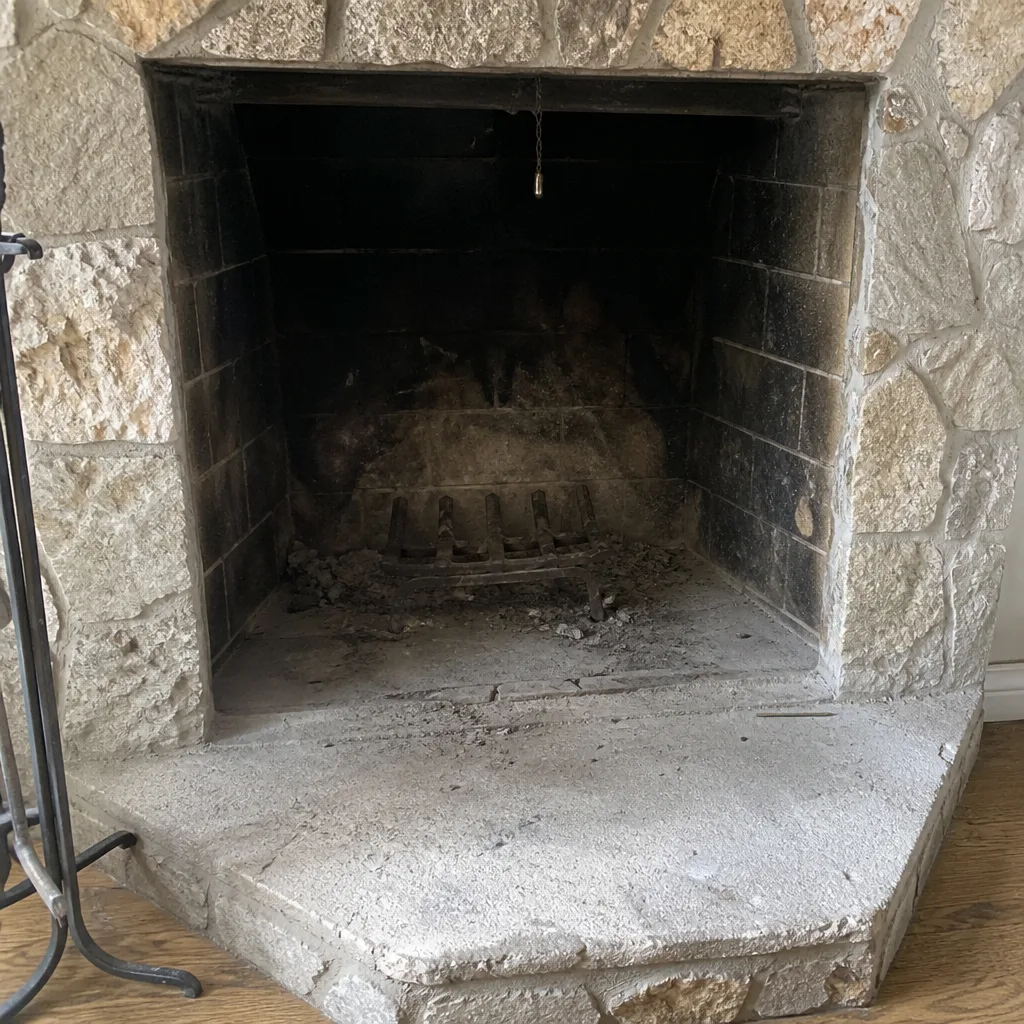
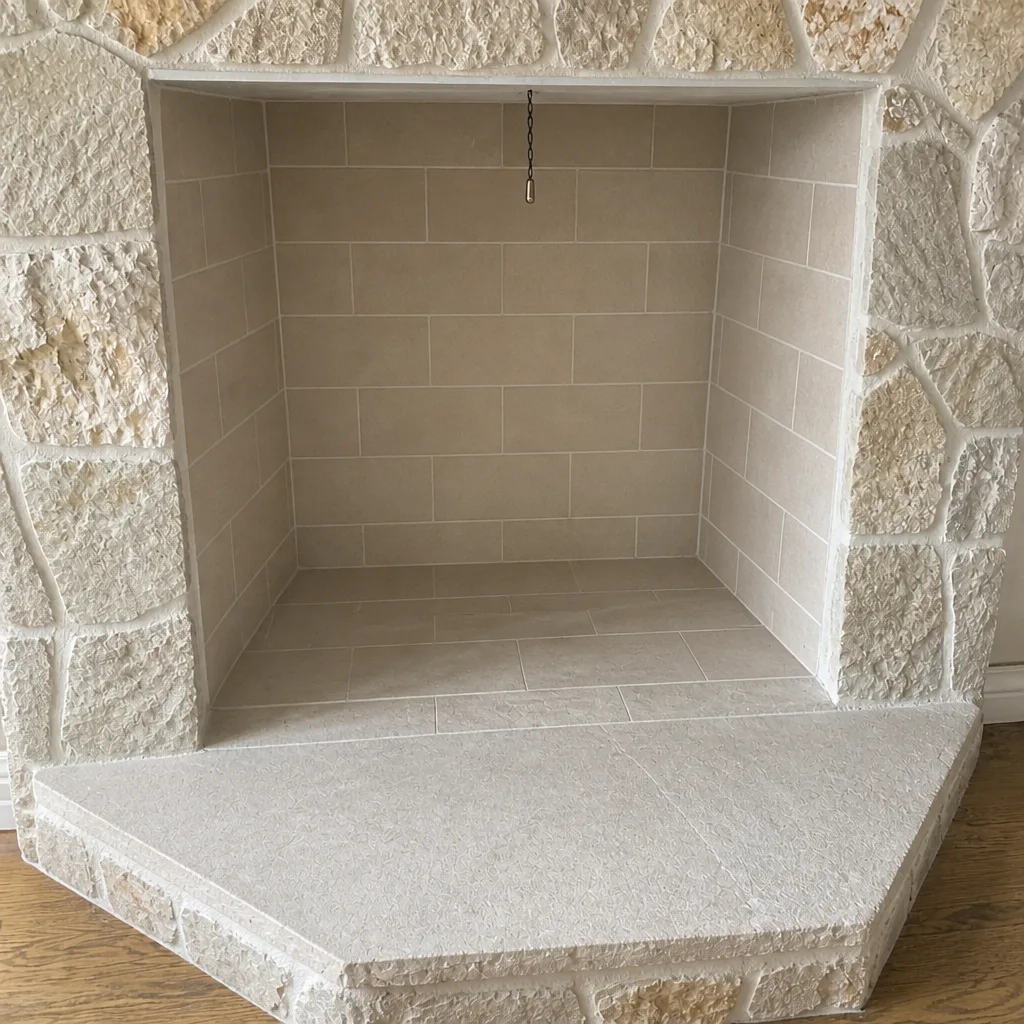
See the difference
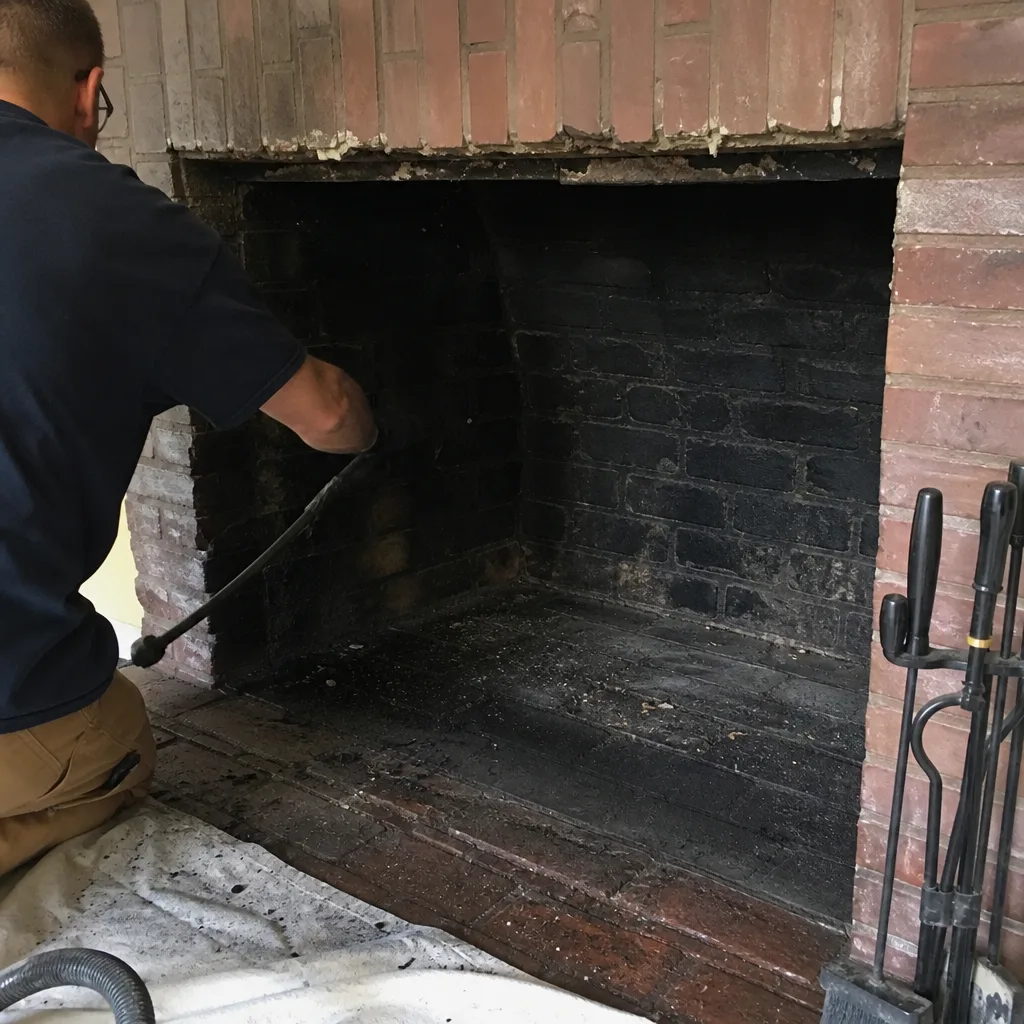 Before
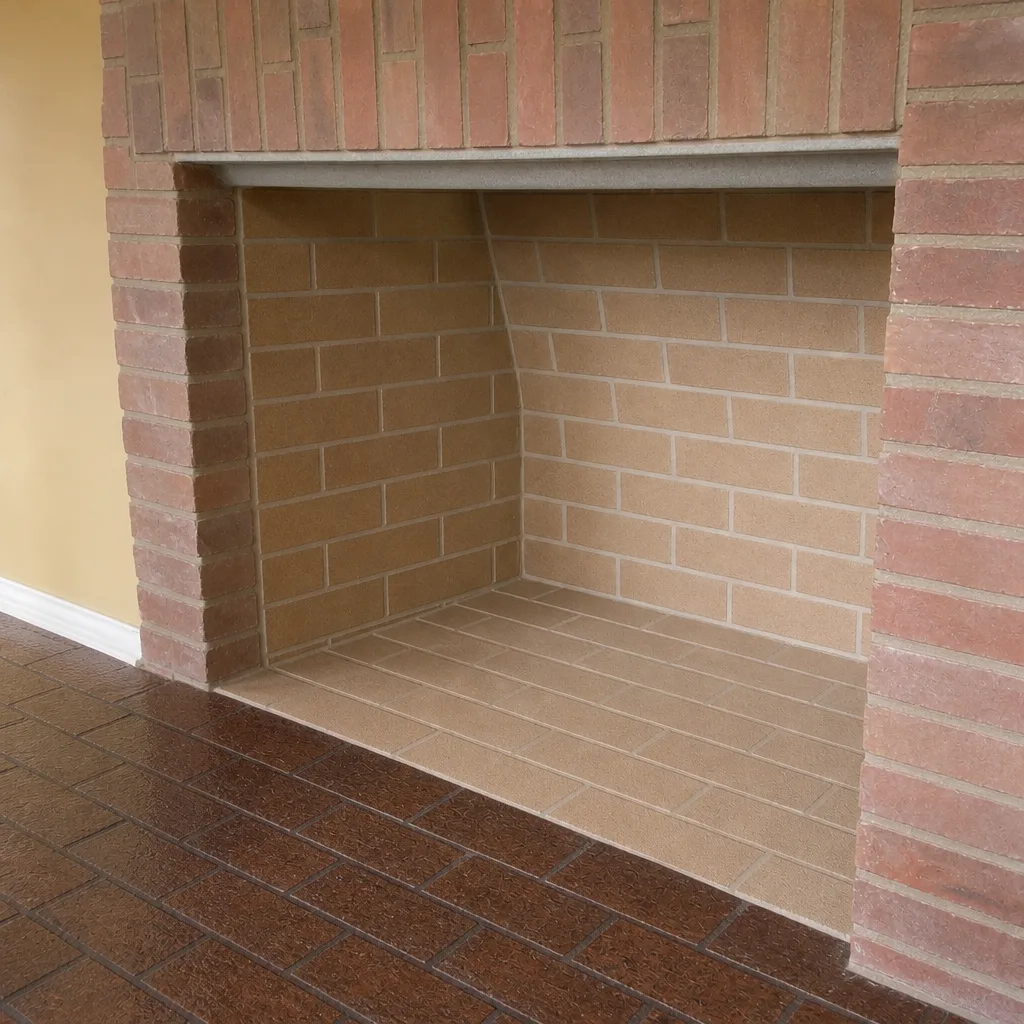 After
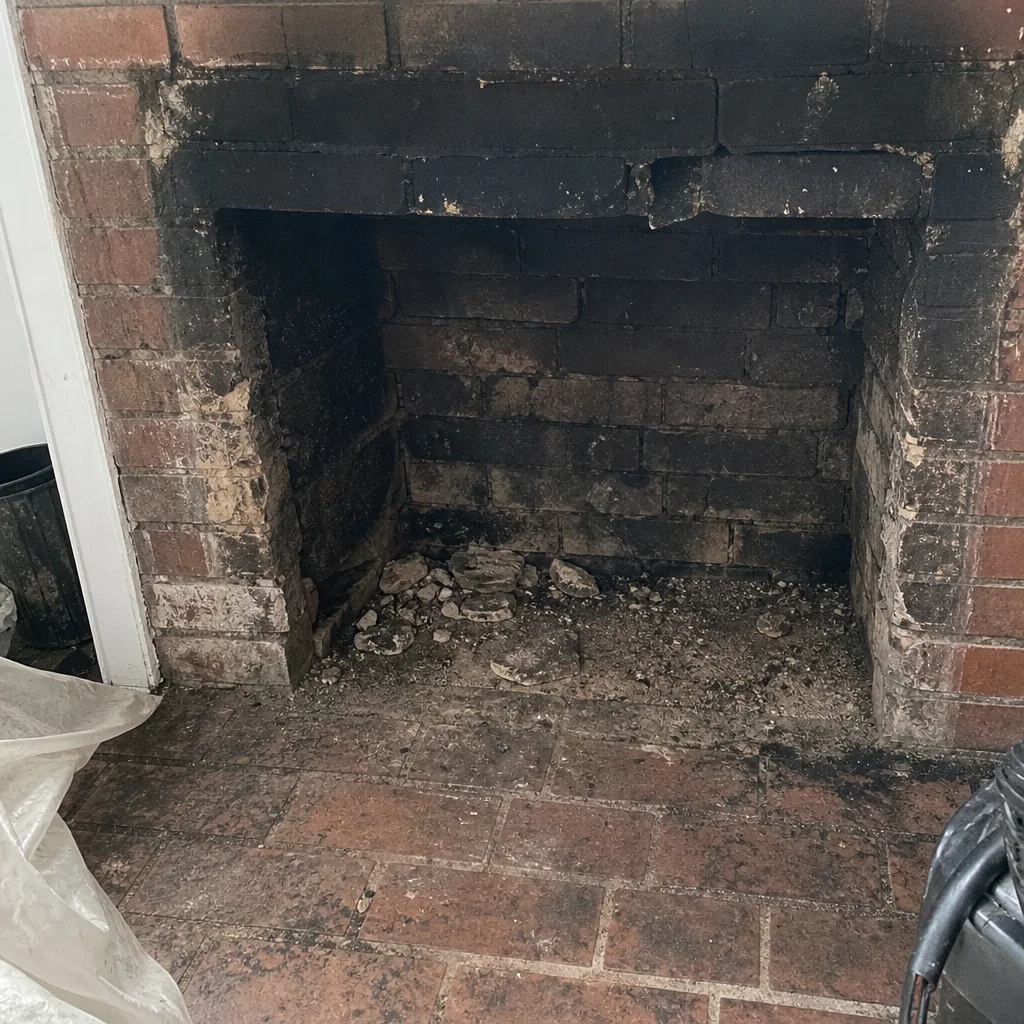 Before
 After
 Before
 After
When to Call a Professional
Call a chimney professional if any of these describe your situation. You’ve bought a home in Gainesville and don’t know the last time the chimney was serviced. You’ve switched fuels, added a gas insert or reconfigured the fireplace. You smell a persistent odor from the firebox when it’s not in use. You see visible damage to the crown, masonry, or cap. Your fireplace drafts poorly or smoke rolls back into the room. You’ve had a chimney fire, even a small one. Or it’s simply been more than a year and you want a straight answer about what your chimney needs. Any one of those justifies a visit.
Gainesville Chimney Cleaning offers free estimates in Gainesville – call (844) 834-5386. We handle inspection, sweep, and repair through the same company, so you don’t have to coordinate two contractors for one chimney issue, and we’ll tell you exactly what your chimney needs and what it doesn’t.
Frequently Asked Questions
A standard chimney sweep with a Level 1 inspection in Gainesville typically runs $180 to $350. Prices vary with the appliance type, flue condition, and how much creosote or debris needs to come out. The written estimate sets the final price, and the estimate itself is free. Call (844) 834-5386 for an exact quote.
Not always, and the honest answer is that nobody can tell you without seeing the flue. When the existing liner is intact and only the surface needs repair, HeatShield liner restoration is a genuine alternative to full relining and costs less. When the liner is too far gone to restore, a DuraFlex flexible liner is the right fix. We don’t recommend either without showing you why. Call (844) 834-5386 and we’ll walk through your options.
Once a year for wood-burning fireplaces is the practical standard for Gainesville, even with light use, because the humid climate drives moisture damage more than fire volume does. Gas fireplaces should also be inspected annually. If you’ve burned a cord of wood since the last service, you’re due. Call (844) 834-5386 and we’ll tell you whether your sweep can wait or needs to happen this season.
In Gainesville, more than in a colder climate, the answer is that moisture accumulates in creosote and masonry deposits, and the deposits harden into glazed creosote that’s much harder to remove. Over several seasons, that can mean elevated fire risk in the flue and, less dramatically but just as costly, water damage to the crown and exterior masonry. The good news is that an annual sweep catches both before they become expensive.
At minimum, a Level 1 inspection covers the firebox, damper, smoke chamber, visible flue sections, cap, and crown. A Level 2 adds a video scan of the flue and inspection of the attic and chimney chase, and is what we recommend after a home purchase, fuel change, or chimney fire. Ask the inspector which level your appointment covers before the work begins. Call (844) 834-5386 if you’re not sure which level you need.
Often, yes. Inspection, sweep, and repair are all handled through the same company, which means no second appointment, no second contractor, and no starting over mid-job. Repairs that require materials get scheduled for a follow-up, but they don’t require you to re-engage anyone else. Call (844) 834-5386 for a free estimate on both service and repair.
The Bottom Line
Chimney care in Gainesville isn’t a simplified version of what cold-climate homeowners do. It’s a different service plan built around humidity, low-use fireplaces, a heavy tree canopy, and masonry that stays damp far longer than most guides assume. An annual sweep with a proper inspection catches the slow problems before they become repairs. A clear inspection level and a written estimate tell you what you’re paying for before you commit. If you want a straight answer about what your chimney needs and what it doesn’t, we handle inspection, sweep, and repair with professional-grade materials like DuraFlex, HeatShield, Gelco, and Famco, and every call is handled by technicians trained specifically on chimney systems. Estimates are free. Call (844) 834-5386. We answer 24/7. Fast dispatch from 7am to 7pm, Sunday through Friday.
Written by the team at Gainesville Chimney Cleaning.