
Last updated November 15, 2026
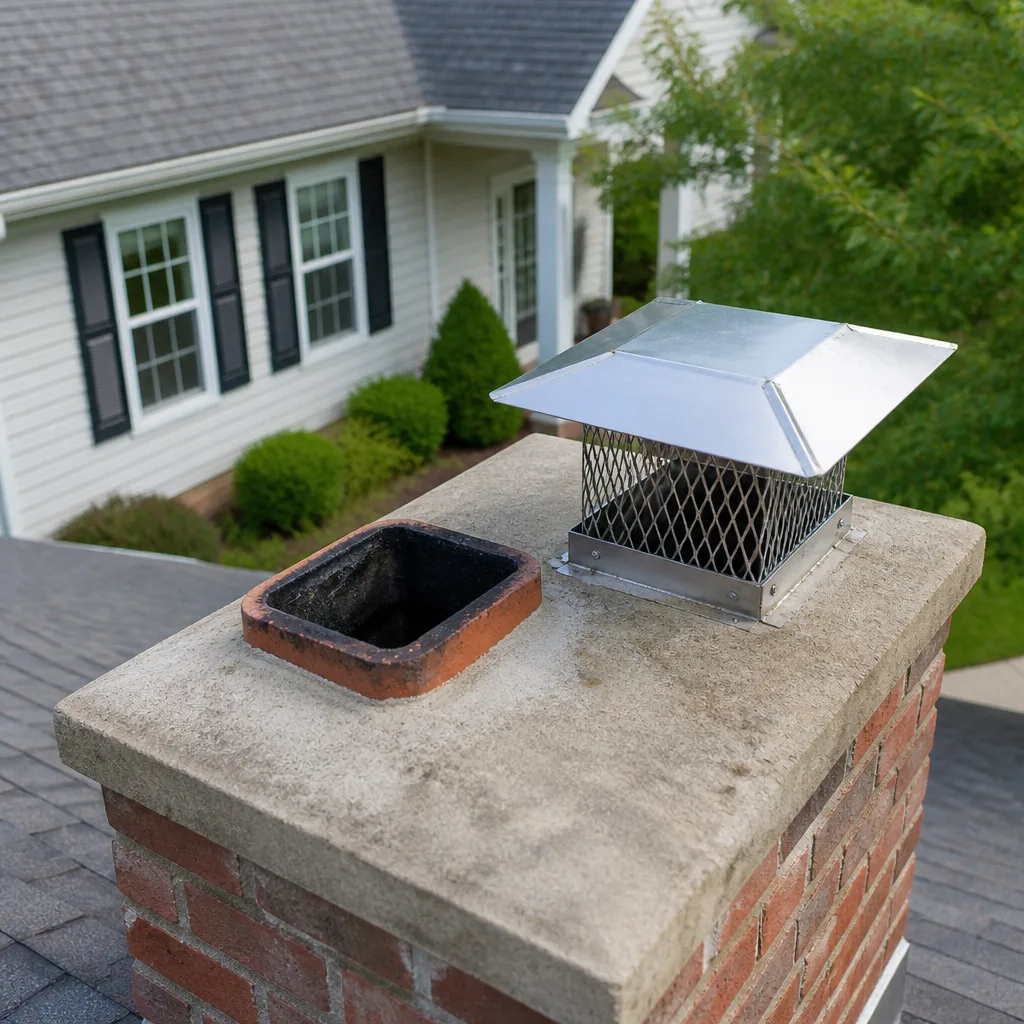 Sweep & inspection
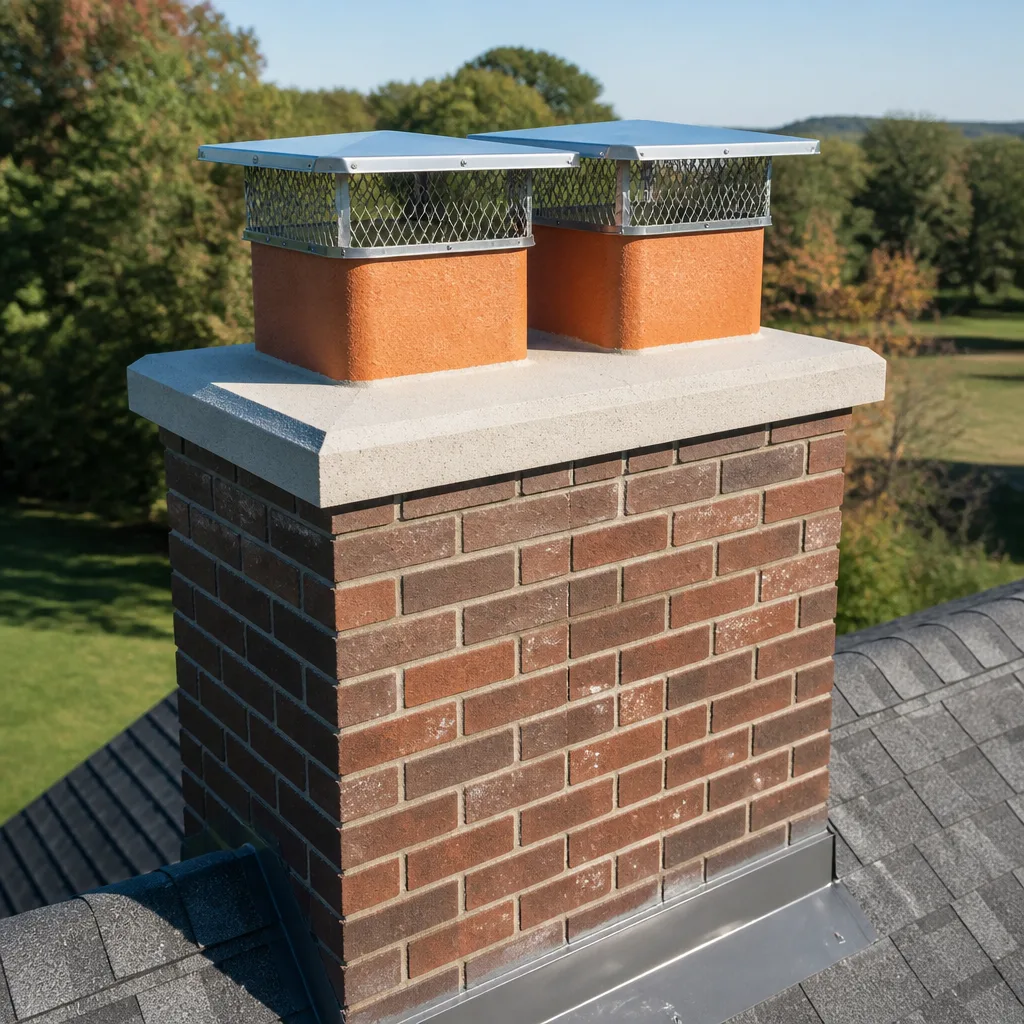 Caps & crowns
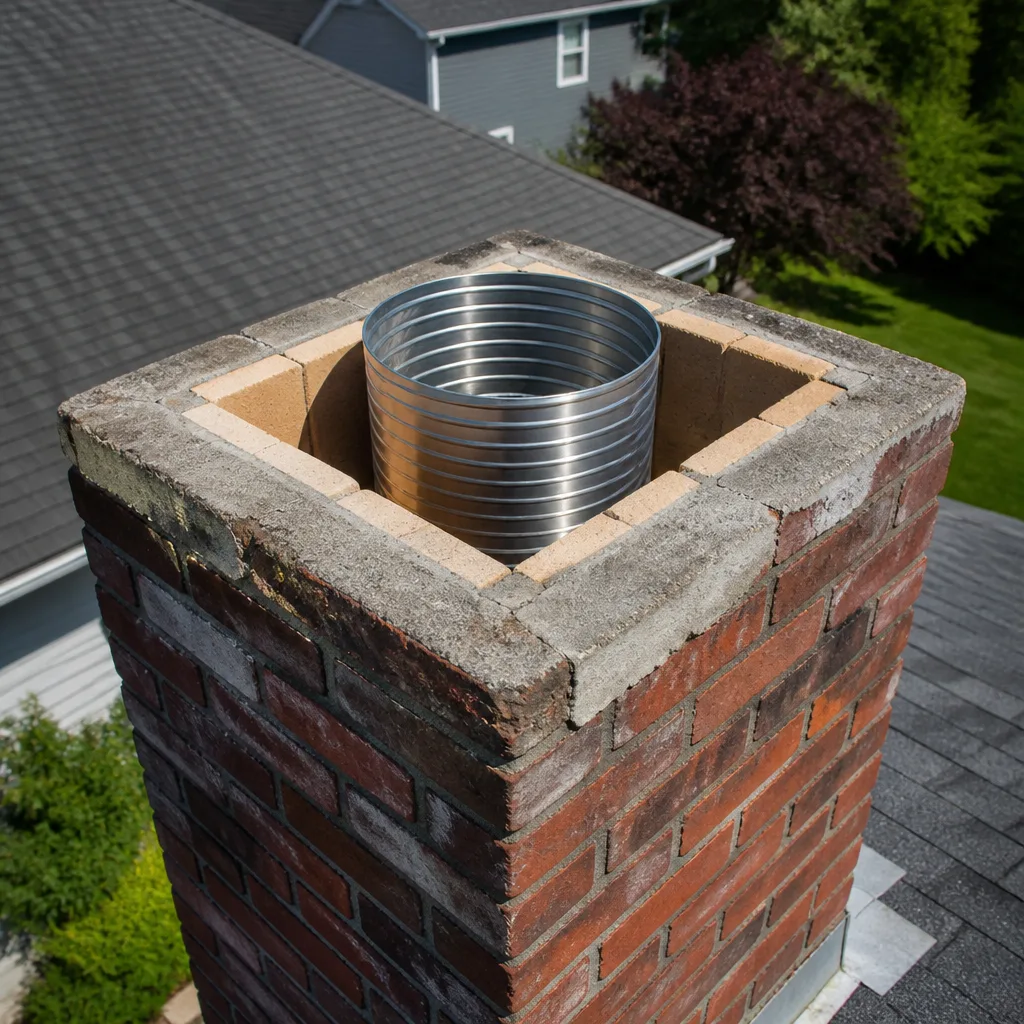 Flue relining
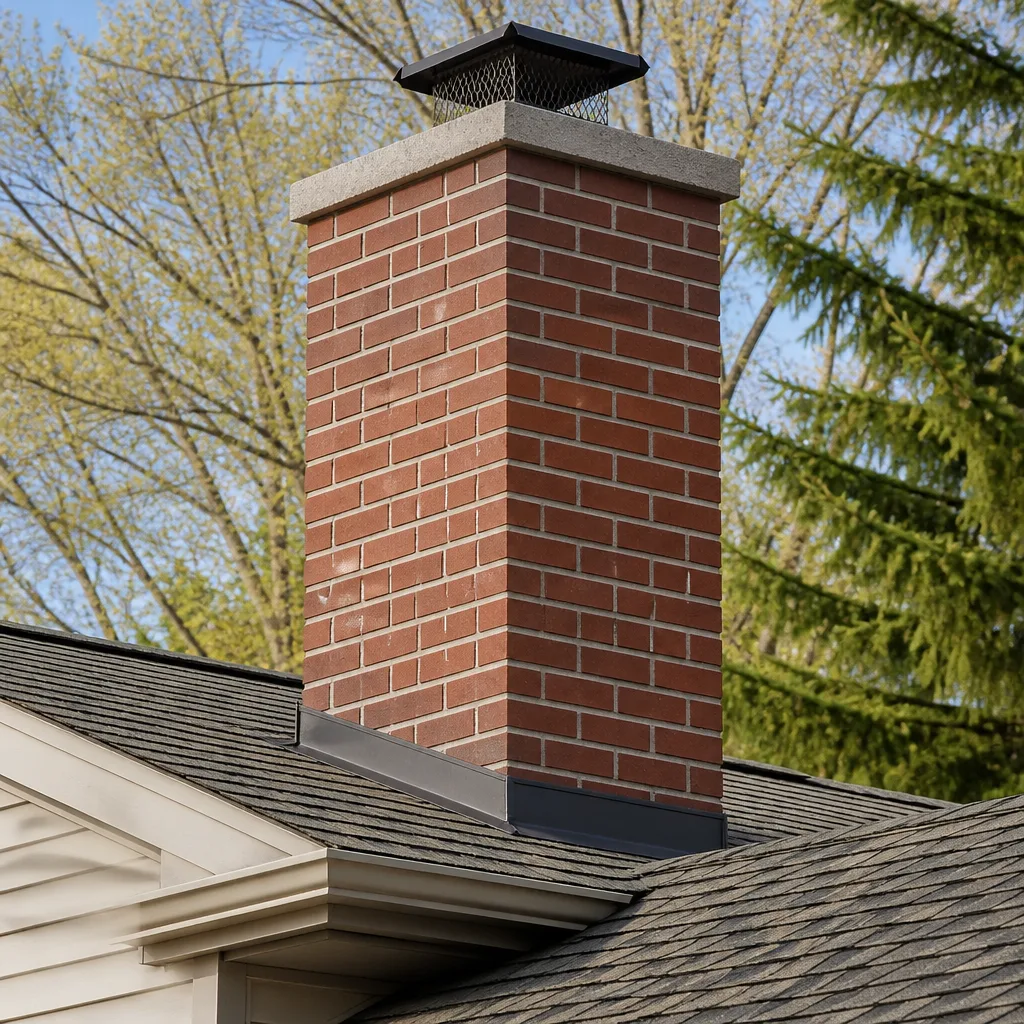 Masonry repair
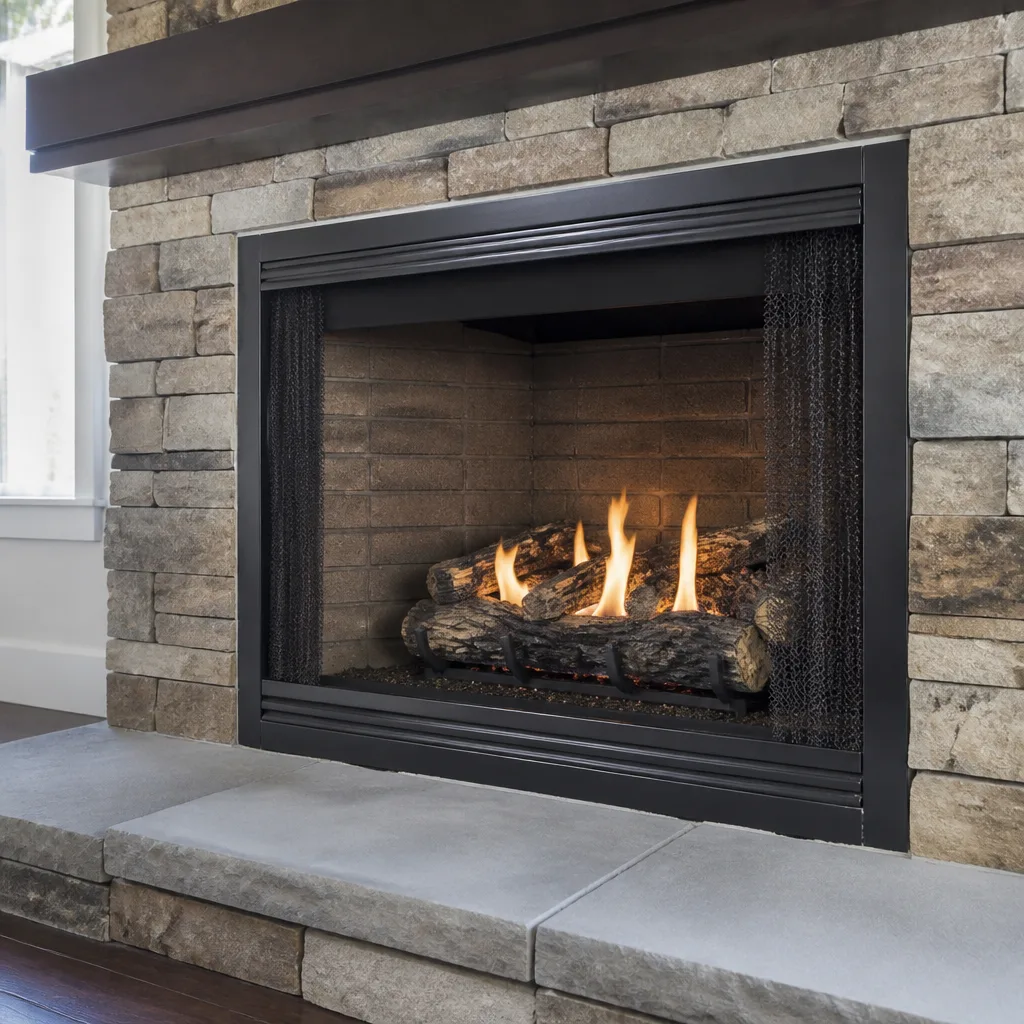 Gas fireplace service
Level 1 sweep and inspection to the NFPA 211 annual standard - flue, crown, cap, and flashing checked and photographed
Chimney sweep logs do not sweep chimneys. They loosen some creosote - which then falls where a brush and vacuum still have to collect it.
How to Hire a Chimney Cleaning Contractor in Gainesville: A Step-by-Step Guide
In Florida, chimney cleaning isn’t a licensed trade category. That surprises most homeowners. It means anyone with a brush, a shop vacuum and a business card can legally advertise chimney sweeping in Gainesville. The companies doing the actual work fall into three groups: dedicated chimney specialists, general handymen who added a sweep to their service list, and HVAC or air-duct outfits that treat a fireplace as one more vent to clean. Telling them apart takes about ten minutes if you know what to ask. This guide gives you the exact questions, the credential checks, and the review-reading habits that separate a real specialist from a van with a ladder.
Quick Answer
Hire a chimney sweep in Gainesville by confirming three things before you book: the company does chimney work as a primary service rather than a side offering, its technicians hold CSIA certification or equivalent chimney-specific training, and it can show you what it found with a camera inspection rather than just telling you. Ask what brands they work with and whether they handle repair as well as sweeping. A company that sweeps, inspects and repairs is accountable for its own findings. A company that only sweeps hands you a problem list and disappears.
Styles & brands we work with
- Sweep & inspection
- Caps & crowns
- Flue relining
- Masonry repair
- Gas fireplace service
Table of Contents
- Why Hiring a Chimney Contractor in Gainesville Is Different
- What CSIA Certification Actually Verifies (And What It Doesn’t)
- The Five Questions to Ask Before You Book
- Red Flags in a Chimney Quote
- Why Brand Knowledge Signals Real Expertise
- How to Read Reviews for Chimney Services
- What a Proper Sweep and Inspection Actually Involves
- Timing Your Service Around Gainesville’s Seasons
Why Hiring a Chimney Contractor in Gainesville Is Different
Gainesville sits in a part of Florida where the fireplace is a seasonal pleasure, not a survival tool. Winters are mild. Most homes run a fire a few dozen evenings a year at most, usually from late November through February. That light use creates a specific problem: homeowners postpone maintenance for years because nothing feels urgent, and then creosote has had three or four seasons to build up unnoticed.
The other local wrinkle is the market itself. Gainesville isn’t a dense chimney market like an older Northeastern city where every block has a row of masonry stacks. Demand is thinner here, so the number of companies doing full-time chimney work is smaller, and the field fills in with generalists. You’ll see chimney sweeping listed on the same menu as dryer vent cleaning, gutter work and pressure washing. That’s not automatically disqualifying, but it changes the questions you need to ask.
Older masonry chimneys in and around Gainesville’s historic neighborhoods also tend to be built for appearance and function rather than heavy heating load. Many were constructed with clay tile liners that have since aged, cracked or shifted. A generalist with a brush won’t catch a hairline tile crack. A technician who inspects with a camera will. The difference between those two visits is the entire point of this guide.
What CSIA Certification Actually Verifies (And What It Doesn’t)
The Chimney Safety Institute of America runs the most recognized credential in this trade. A CSIA Certified Chimney Sweep has passed a written exam on chimney and venting systems, firebox construction, liner types, draft mechanics and code requirements, and has agreed to a code of ethics. The certification requires renewal, so it reflects current knowledge rather than a one-time test taken years ago.
Here’s the part most guides leave out: certification is the floor, not the ceiling. It confirms baseline competence and a willingness to be held to a standard. It does not tell you how many masonry chimneys the technician has actually rebuilt, whether the company carries the right equipment for a camera inspection, or whether it can do liner repair instead of just recommending replacement. Those things come from the company’s service range and the products it works with.
Think of it this way:
- Certification confirms: the technician was tested on chimney systems, understands venting and draft, and follows a written code of conduct.
- Certification doesn’t confirm: hands-on repair capability, manufacturer relationships, camera equipment, or how the company handles the findings it reports.
So use certification as a filter, then keep digging. A certified sweep who only sweeps and refers all repairs elsewhere is useful but incomplete. A certified sweep who also installs liners, restores damaged flues and fits proper caps handles the whole arc. When you’re ready to book a visit, you can start with a chimney sweep and know that the findings will point you toward repair only if the camera shows a real problem.
The Five Questions to Ask Before You Book
These five questions do the heavy lifting. Ask them on the phone before you schedule. A specialist answers them directly and without hesitation. A generalist hedges, pivots to a sales pitch, or answers in generalities.
- “Is chimney work your primary business, or one of several services?” You’re listening for a clear answer. A company that runs a dedicated chimney operation will say so plainly. A company whose trucks mostly handle HVAC or gutters will describe chimneys as “part of what we do.” That’s your signal.
- “Are your technicians CSIA certified, and is the certification current?” Current matters. Ask when it was last renewed. Vague answers here are a warning.
- “Do you include a camera inspection with the sweep, and do I get a report?” A camera inspection shows the inside of the flue, the smoke chamber and the liner joints. Photo documentation means you can see what the technician saw. Anyone who sweeps blind and reports verbally is asking you to trust a claim you can’t verify.
- “What brands of liners, caps and components do you work with?” This is the fastest specialist test in the guide. A real chimney company names professional-tier products. A generalist says “whatever’s at the supply house.”
- “Do you do repair work in-house, or do you subcontract it?” In-house means the same company that finds the problem fixes it and stands behind both. Subcontracted repair adds a handoff where accountability gets blurry.
Notice what’s missing from these questions: price. Get price later, after you’ve confirmed you’re talking to a specialist. Comparing quotes across a specialist and a generalist is comparing two different services that happen to share a name.
Red Flags in a Chimney Quote
The most common problem in this trade isn’t a bad cleaning. It’s a visit that was never a full cleaning to begin with. Some outfits advertise an unusually low sweep price, show up, run a brush for a few minutes, then spend most of the appointment pushing liner replacement, cap upgrades or masonry work. The sweep was the sales call.
Watch for these signs:
- A price far below everyone else’s. A genuine sweep takes time, equipment and a camera inspection. A price that seems too low to cover that work is usually a door-opener, not a cleaning.
- No camera, no photos. If the report is verbal and nothing is shown to you, you have no way to judge whether the recommended work is real.
- Pressure to decide immediately. Chimney problems are almost never same-hour emergencies. A company that insists you sign for a liner replacement on the spot, before you’ve had a chance to think, is rushing you past your own judgment.
- A recommendation with no visual evidence. “Your liner is shot” means nothing without a picture. Ask to see the flue. A specialist will show you without being asked twice.
- No written estimate. Every job should come with a written scope and a fixed price before work starts. Verbal quotes drift.
- Inability to name a single product line. If the company can’t tell you what kind of liner or cap it installs, it doesn’t install them often.
Here’s the honest version of how a good sweep handles findings: it tells you what the camera showed, distinguishes what needs attention now from what can safely wait a season or two, and puts the recommendation in writing. If the chimney is fine, you hear that. A specialist who does repair work for a living still tells you when repair isn’t needed, because the alternative is losing your trust on the next visit.
Why Brand Knowledge Signals Real Expertise
Ask a chimney company what products it works with and listen carefully. The names that come back tell you whether you’re talking to a trade professional or someone improvising. Professional-grade materials are not the same as the parts on a hardware store shelf, and a company that works with them regularly has to know how they fit, seal and perform.
Liner systems are the clearest example. Flexible stainless liners need to be matched to the flue, the appliance and the venting requirements. Companies working at a professional tier tend to use products from names like Olympia Chimney or Copperfield, both trade-standard suppliers whose components aren’t sold at consumer retailers. Caps and covers are another tell: a specialist fits products from Gelco or Famco because they’re sized to the flue and built to exclude weather and animals, not one-size-fits-most pieces.
Then there’s liner restoration, which is where brand knowledge really separates companies. Resurfacing systems can rebuild a deteriorated liner from the inside rather than pulling it out and replacing it. In our experience, this is where a lot of local outfits stop short: they know how to recommend a full reline but not how to evaluate whether restoration would work. A company familiar with the repair-tier side of the trade can offer you a genuine alternative instead of one path.
You don’t need to memorize brand names to hire well. You need to notice whether the company can talk about them with specificity. “We use professional-grade liners and caps sized to your flue” is a real answer. “We use the good stuff” is not.
How to Read Reviews for Chimney Services
Star ratings tell you almost nothing about chimney work. A five-star review might mean the technician was friendly and on time, which says nothing about whether the inspection was thorough. What you want are the reviews that describe technical specifics.
Look for phrases like these:
- “Showed me pictures of the inside of the flue.”
- “Told me the liner was fine and I didn’t need anything.”
- “Explained the difference between what needed fixing now and what could wait.”
- “Found a cracked tile the last company missed.”
- “Installed a custom cap that actually fit.”
Reviews built on generic praise (“great service, highly recommend, very professional”) could apply to any business in any trade. Reviews that mention camera footage, liner condition, cap fit, creosote levels or a technician talking someone out of unnecessary work are the ones that reflect real chimney expertise. Read a handful of one- and two-star reviews too. A pattern of “they said I needed a new liner and wouldn’t show me why” is the single most useful signal you can find, and it’s worth more than any number of five-star ratings.
Also check whether the reviews mention the same company name consistently. A chimney operation run as a side service under a broader home-services brand often has reviews scattered across listings, which makes it harder to judge the chimney work specifically. Consistency is a small clue, but it points the same direction as everything else in this guide.
What a Proper Sweep and Inspection Actually Involves
Knowing what a real visit looks like lets you judge the one you get. A proper chimney service in Gainesville follows a predictable sequence, and any step skipped is worth asking about.
- Setup and protection. Drop cloths and a sealed work area come first. A sweep that doesn’t protect your floors before it starts isn’t a sweep you want.
- Visual inspection of accessible components. The firebox, damper, smoke chamber, cap and exterior are checked before any brushing begins.
- Sweeping the flue. Brushes sized to the flue run the full length, with a vacuum running to capture soot and creosote.
- Camera inspection. A camera goes up the flue to look at liner joints, tile condition and any gaps a brush can’t reveal. This is the step that finds real problems.
- Report and photos. You get the findings in plain language, with visual evidence, and a written estimate if repair is needed.
Creosote is the reason this matters. Wood smoke deposits creosote on the flue walls, and it accumulates in stages. Light soot brushes away easily. Glazed, hardened creosote is much harder to remove and is the form that creates real fire risk. Mild Gainesville winters mean fewer fires per season but often more years between sweeps, so the buildup can be advanced by the time anyone looks. That’s the argument for annual inspection even in a light-use climate: the risk grows with time, not with how often you light a fire.
If the inspection turns up damage, that’s where a company that handles chimney repair in-house saves you a second round of phone calls. You get one set of findings and one company accountable for the fix.
Timing Your Service Around Gainesville’s Seasons
The practical answer for most homes here is to book before the burning season starts, which means late fall, ahead of the first cool evenings. That timing gives you room to handle any repair the inspection turns up without missing the part of the year you actually use the fireplace. Booking mid-winter works too, but you may be waiting on repair scheduling that could have happened earlier.
Annual inspection is the baseline recommendation for any chimney in active use, and it’s especially worth keeping on schedule in a mild climate where it’s easy to forget. A chimney that sat unused for two or three seasons should get looked at before it’s lit again, not after. The same goes for a home you’ve recently moved into, where you have no service history for the chimney at all.
If your fireplace has been converted to a gas insert, that doesn’t remove the need for inspection. Gas appliances vent differently and the venting still needs to be checked for proper draft and condition. The category of the appliance changes the inspection, not the need for one.
Common Mistakes to Avoid
- Hiring on price alone. A quote well below the rest of the market is usually an inspection visit with a sales pitch attached, not a full sweep. Compare what’s included before you compare the number.
- Skipping the inspection because the fire “works fine.” A fireplace can draft well and still have a cracked liner. Draft and liner condition are separate things, and only a camera check tells you about the second one.
- Accepting a verbal report. In Gainesville, where chimney work is easy to put off, a verbal “you’re all set” gives you no record and no evidence. Ask for photos.
- Assuming a general handyman covers it. Sweeping is a small part of chimney work. Diagnosis, liner evaluation and cap fitting are the parts that require a specialist, and they’re the parts that matter most.
- Letting a cold season pass without a look. Mild winters make it tempting to skip a year. That’s exactly how three or four seasons of creosote build up unnoticed.
- Not asking whether repair is in-house. If the company that inspects can’t repair, you’re relying on a handoff between two businesses where nobody owns the final result.
- Booking the first company that answers. Gainesville’s chimney market is thin enough that the first listing isn’t always the right one. Two phone calls with the five questions above will sort the field quickly.
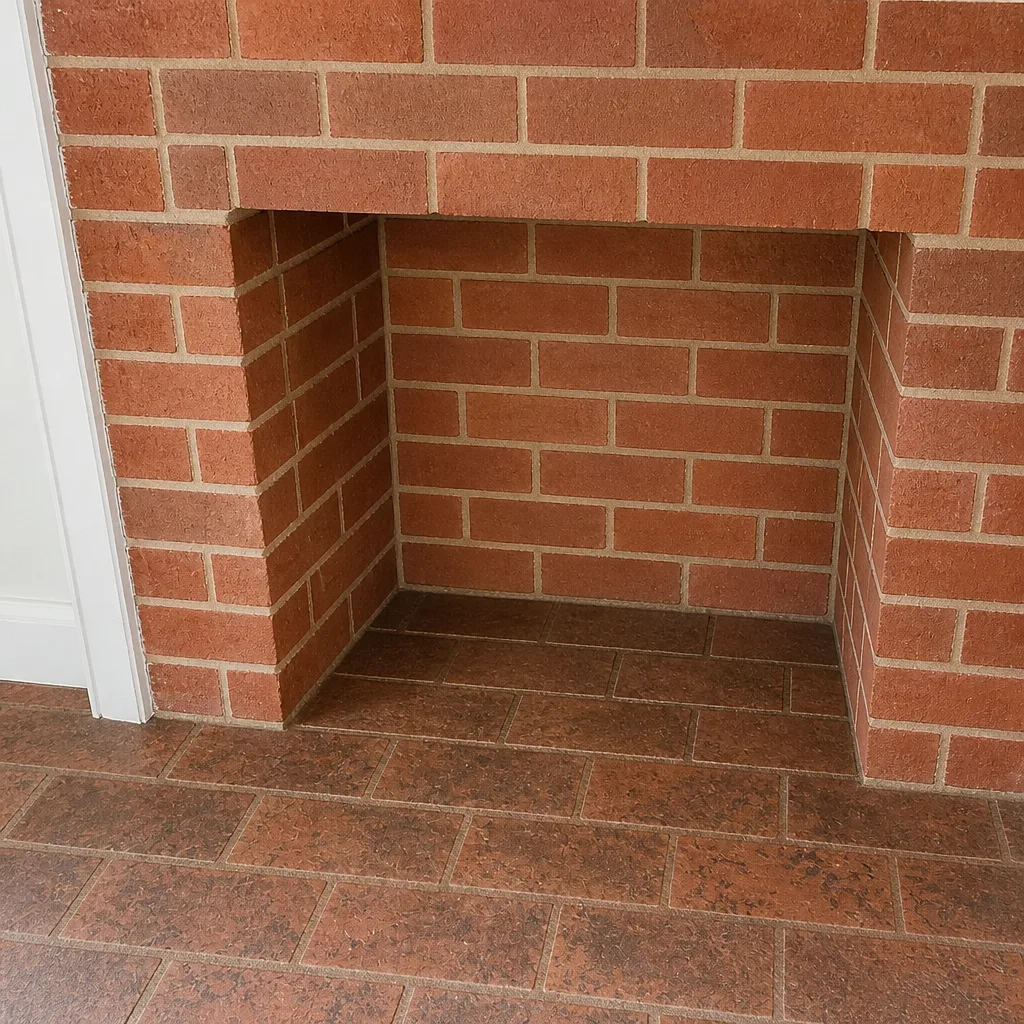
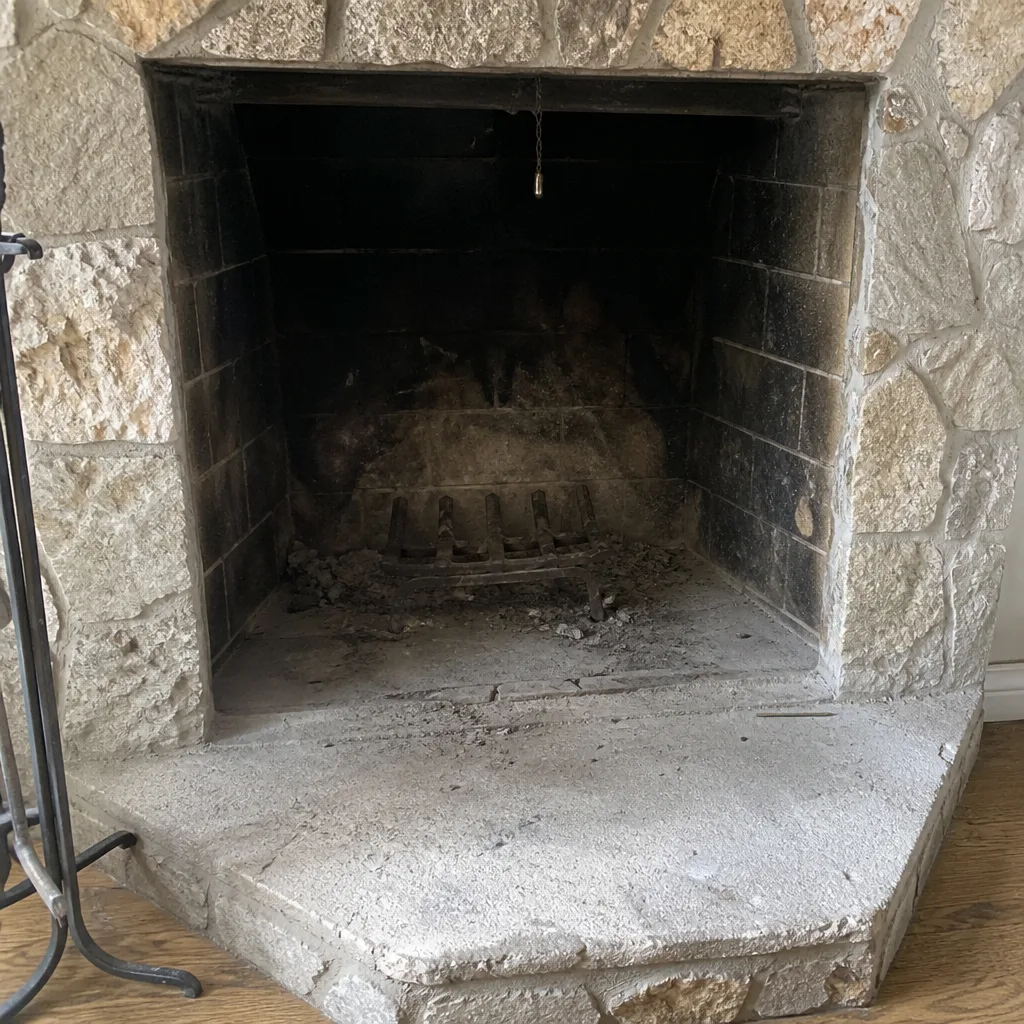
See the difference
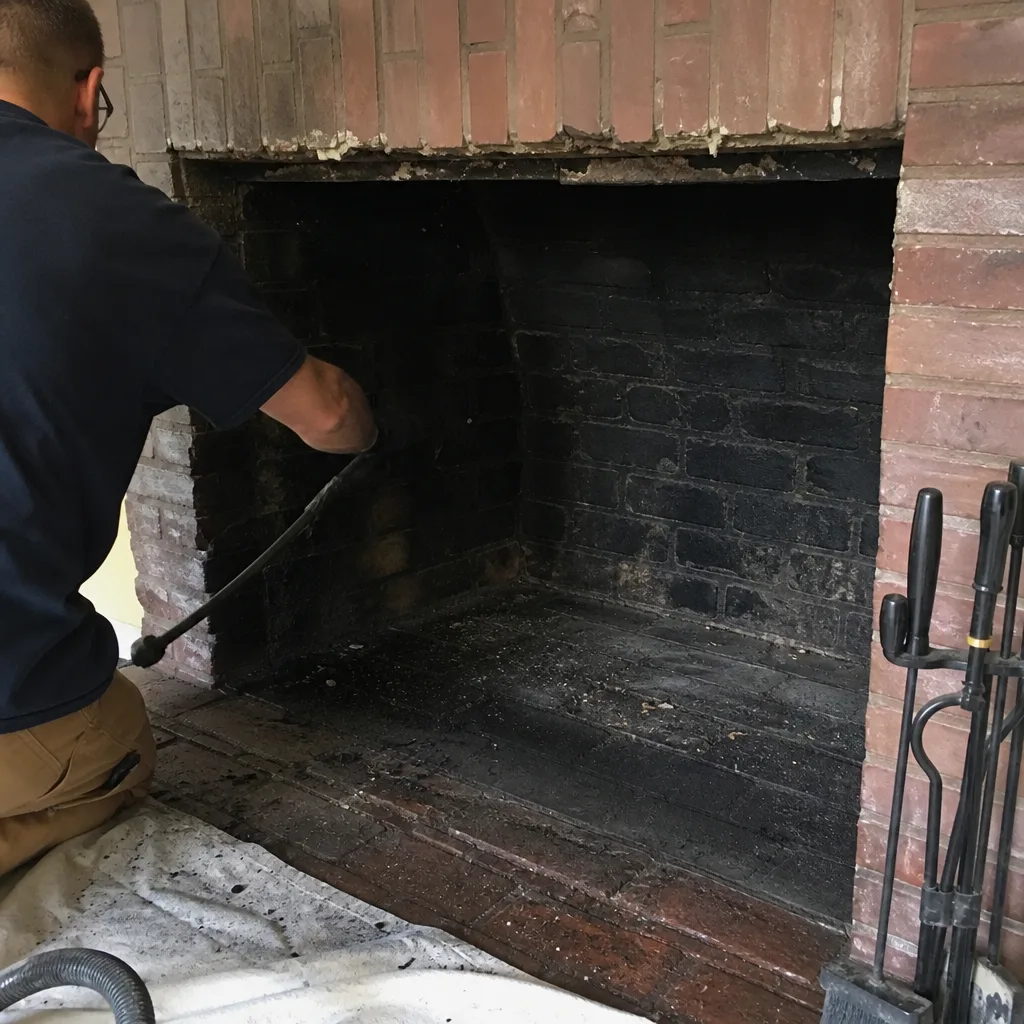 Before
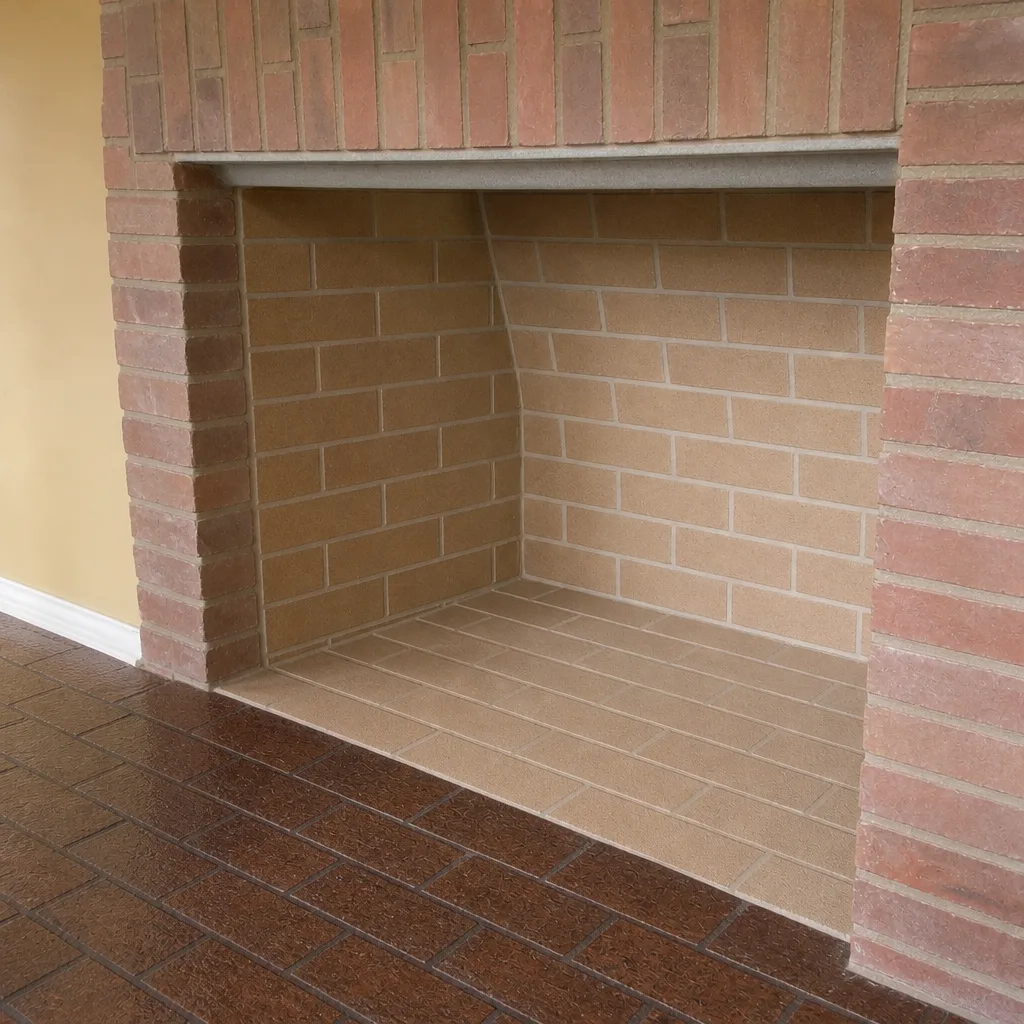 After
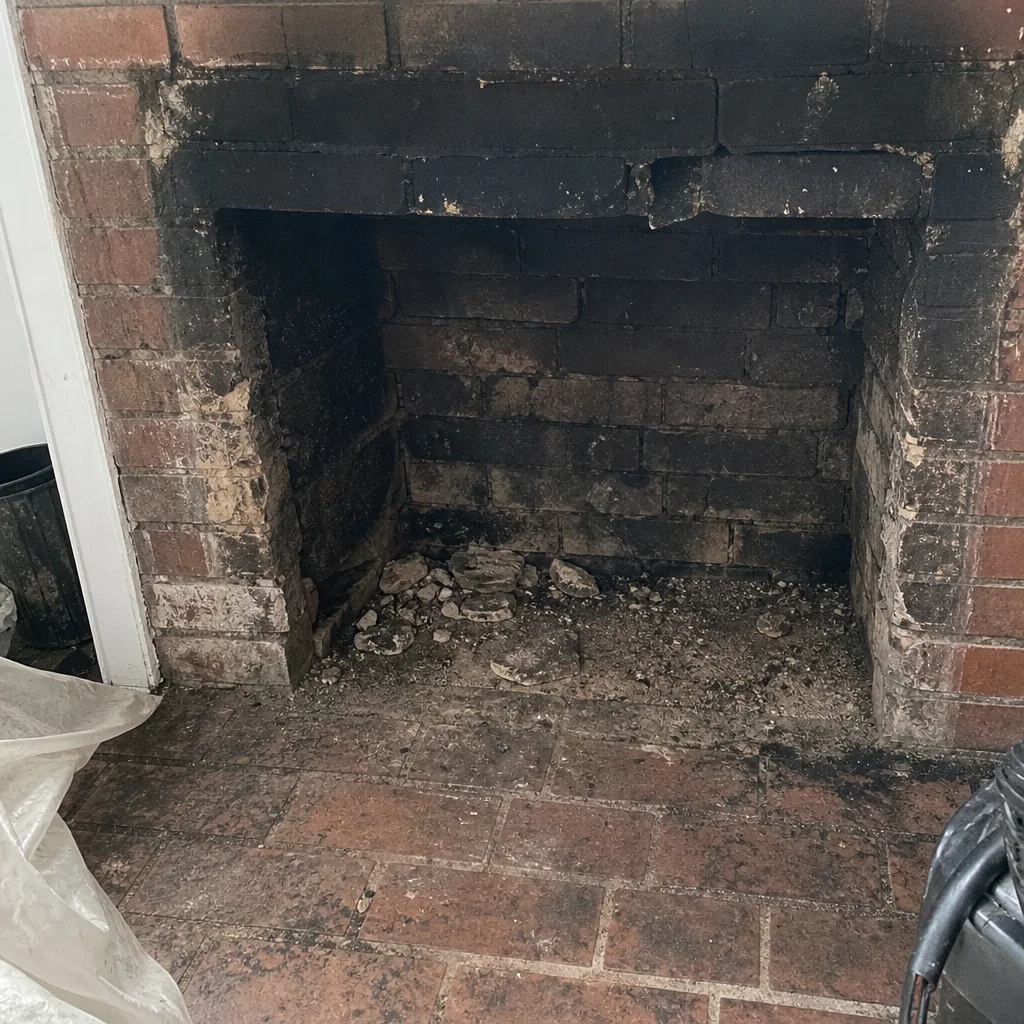 Before
 After
 Before
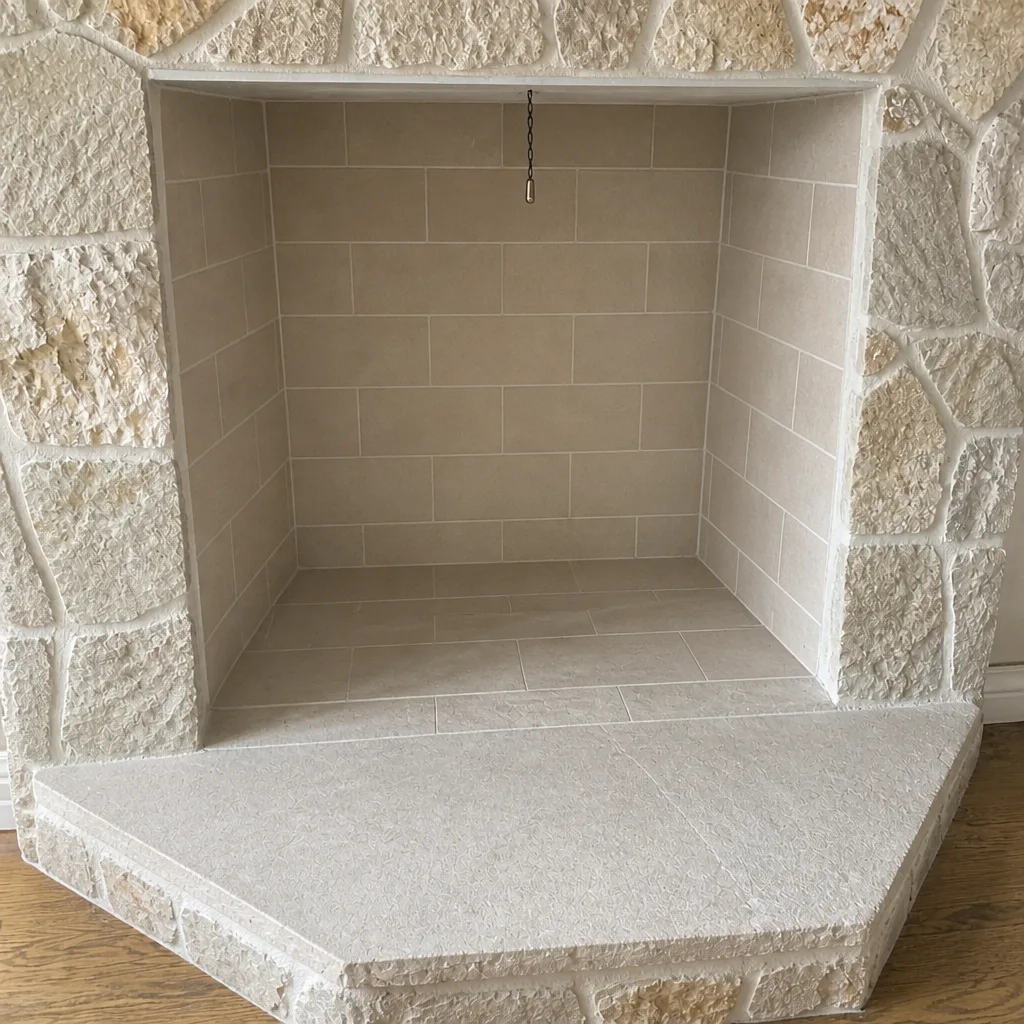 After
When to Call a Professional
Call a professional if you’ve gone two or more seasons without an inspection, if you’ve noticed a strong odor from the fireplace even when it’s not in use, if smoke rolls into the room instead of going up the flue, or if you can see damage to the firebox, damper or cap. Call if you’ve just bought a house in Gainesville and don’t know when the chimney was last serviced. Call if you’ve had a chimney fire, even a small one, because the flue needs a close look afterward. And call if a previous company recommended work and you want a second opinion with camera evidence behind it. Gainesville Chimney Cleaning offers free estimates in Gainesville – call (844) 834-5386.
Frequently Asked Questions
A standard sweep with inspection is typically a fixed price quoted before the visit, and pricing depends on the chimney, the appliance and whether any repair is involved. The written estimate sets the final price, so the number you’re given on the phone should match the number on the paperwork. Call (844) 834-5386 for an exact quote – estimates are free.
You need a new liner when the existing one has cracks, gaps, deteriorated joints or damage that prevents it from containing heat and combustion gases, and you should be shown the evidence before deciding. Ask to see the camera footage. If the company can’t or won’t show you the condition of the flue, that’s the upsell signal, not the recommendation itself. A reputable company will also tell you when restoration is a viable alternative to full replacement.
Annually for any chimney in regular use, and once before lighting it if it’s been idle for several seasons or you’ve just moved in. Florida’s mild winters mean fewer fires per year, which makes it easy to stretch the interval without noticing. Time between sweeps is what lets creosote accumulate, so the light-use climate actually argues for keeping the annual inspection on schedule.
Creosote builds up on the flue walls over time, and in its hardened form it’s the fuel source for a chimney fire. You also lose the chance to catch small liner damage before it becomes a larger repair. Skipping a season isn’t an emergency, but skipping several in a row is when problems go from fixable to expensive.
A sweep removes soot and creosote from the flue; an inspection evaluates the condition of the flue, liner, firebox, damper, cap and other components. They’re different tasks and a good service does both in one visit. If a company quotes you a sweep but doesn’t include a camera inspection and report, ask what you’re actually getting.
Florida doesn’t license chimney cleaning as a separate trade, so legally yes – and that’s exactly why you have to check credentials yourself. A handyman can run a brush, but diagnosing liner condition, evaluating draft problems and fitting a properly sized cap take chimney-specific training. Ask the five questions in this guide and let the answers decide it.
The Bottom Line
Because chimney cleaning isn’t a licensed trade in Florida, hiring well comes down to the questions you ask. Confirm the company does chimney work as a primary service, verify current certification, insist on a camera inspection with photo documentation, ask which professional product lines they work with, and find out whether repair is handled in-house. Use reviews to look for technical specifics rather than generic praise, and treat unusually low quotes as a prompt to check what’s included. A specialist in Gainesville will show you what the camera found, tell you plainly when work can wait, and put the rest in writing. That’s the whole standard, and it’s an easy one to hold a company to. If you want to start the process, Gainesville Chimney Cleaning handles inspection, sweep and repair start to finish, and our technicians have up to 11 years of experience. Call (844) 834-5386 for a free estimate. We answer 24/7. Fast dispatch from 7am to 7pm, Sunday through Friday.
Written by the team at Gainesville Chimney Cleaning.