
Last updated November 15, 2026
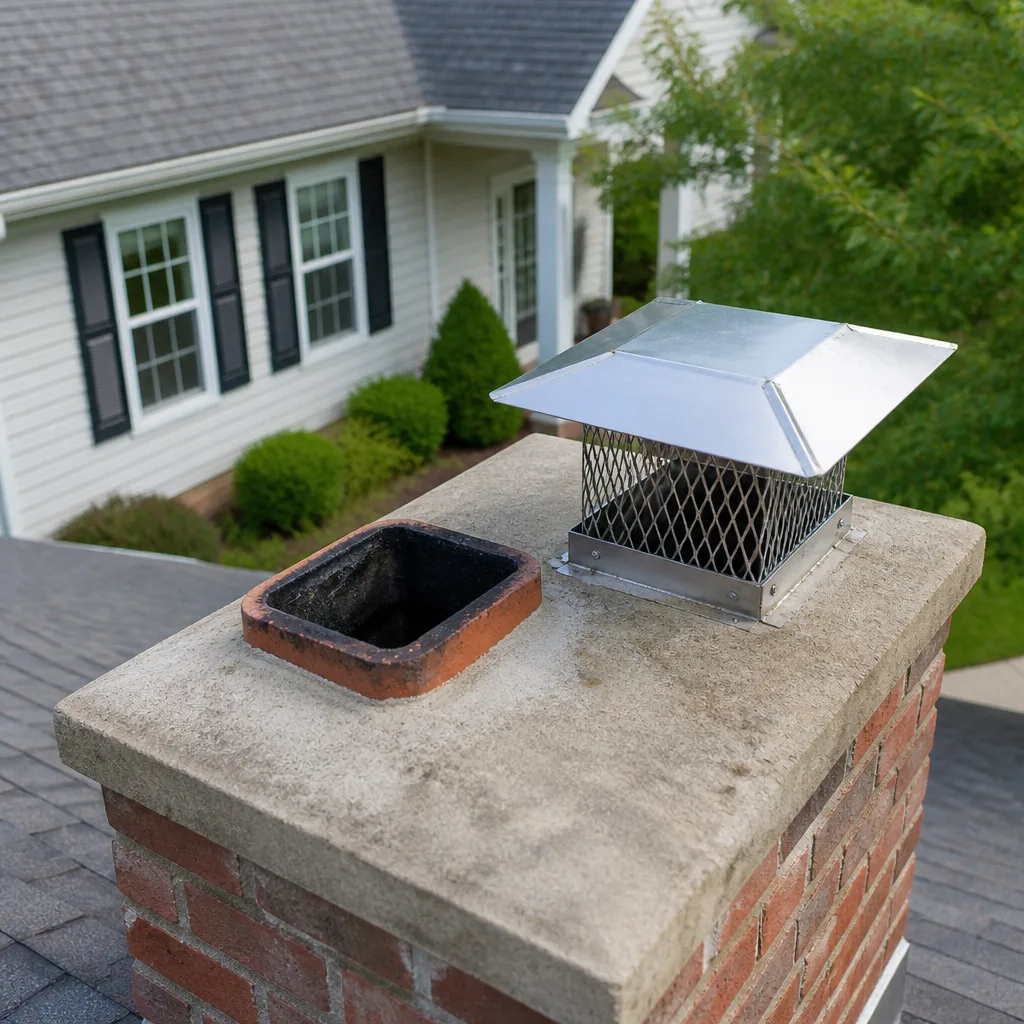 Sweep & inspection
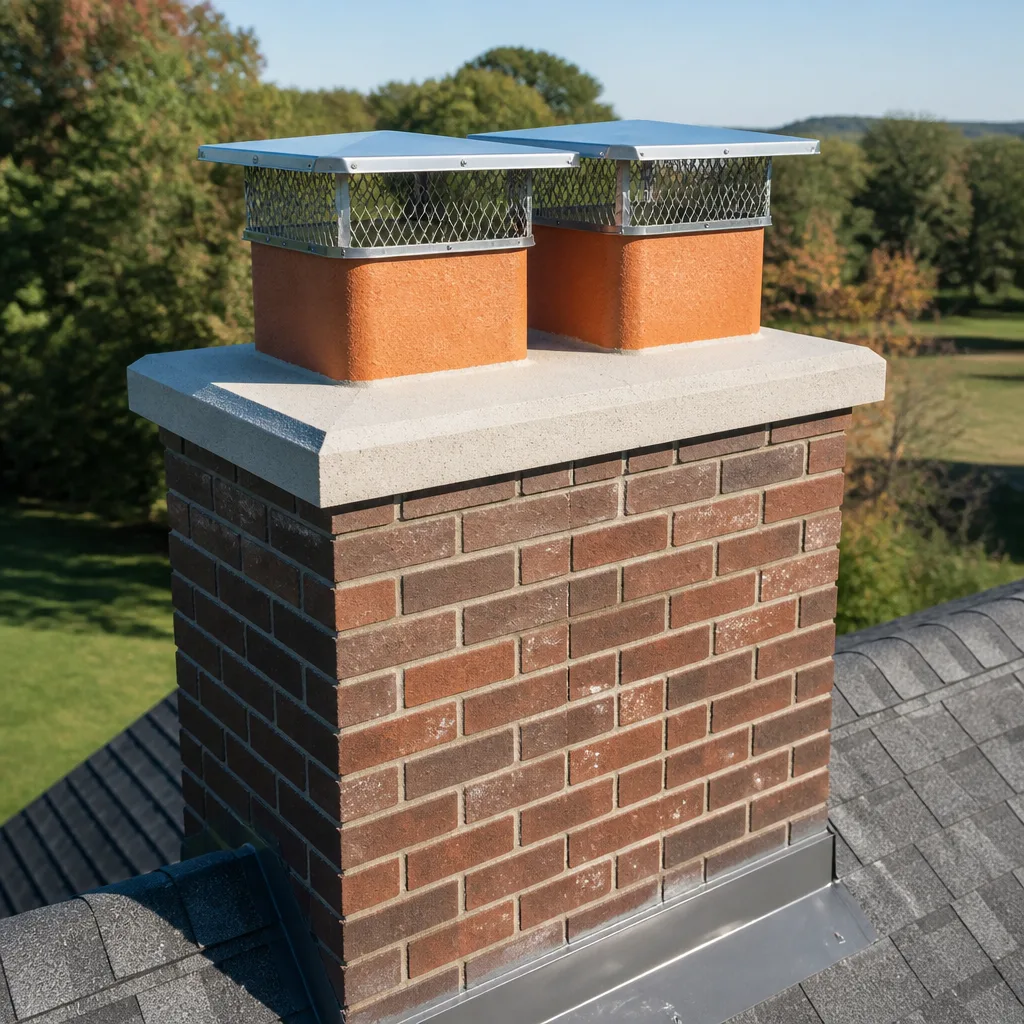 Caps & crowns
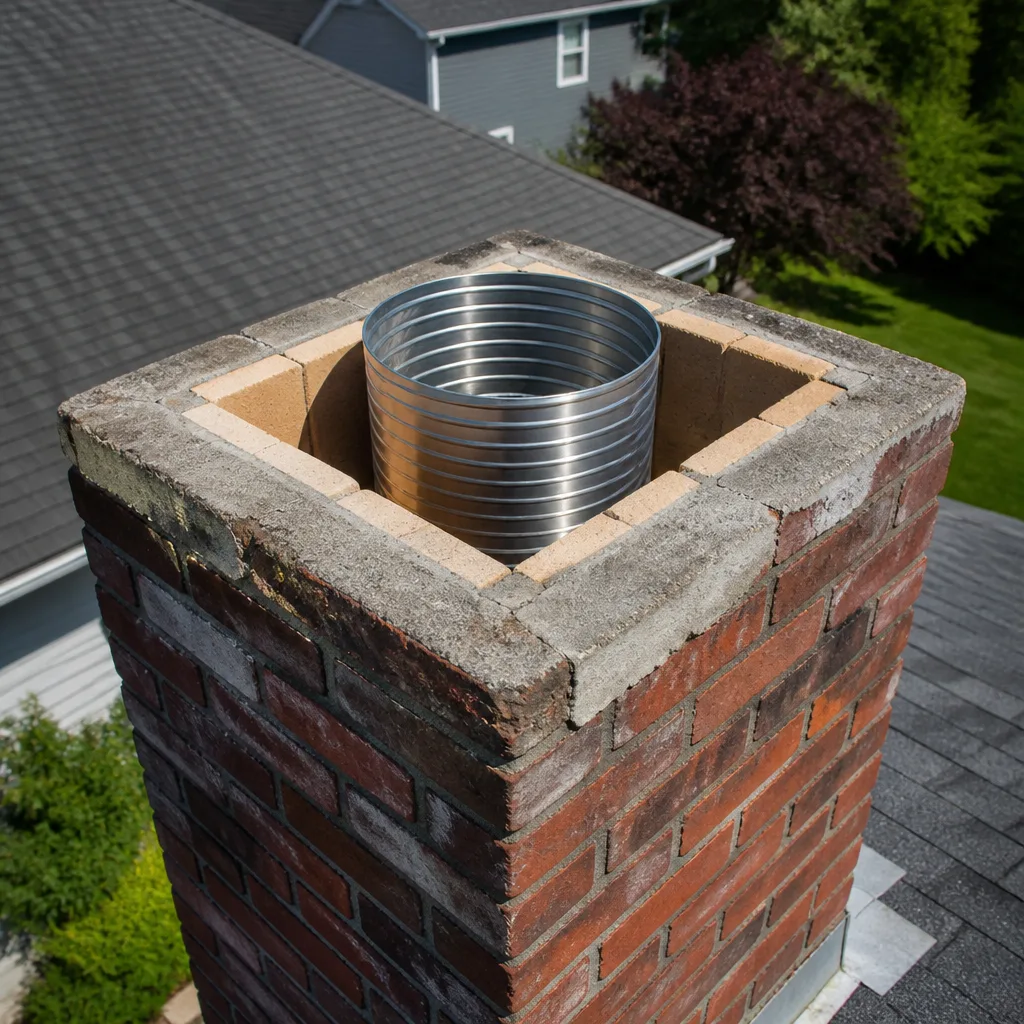 Flue relining
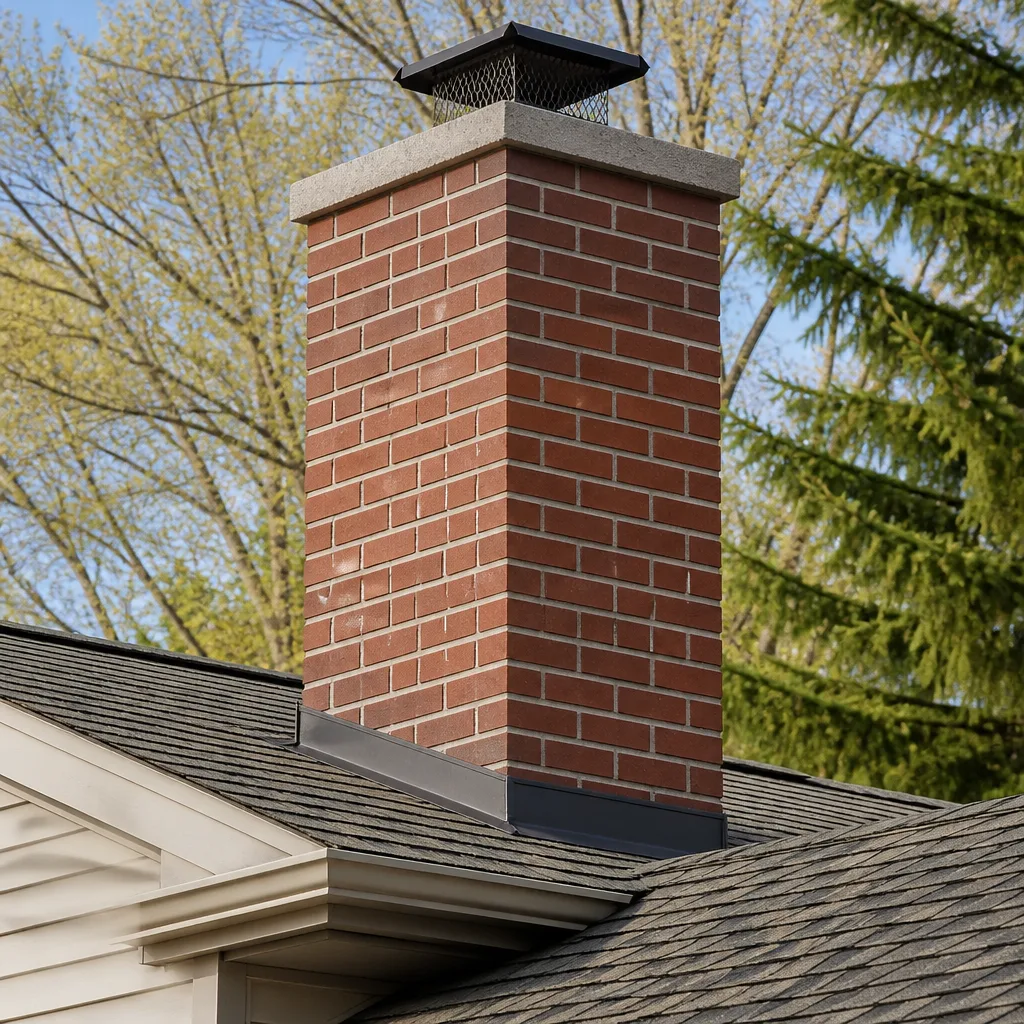 Masonry repair
 Gas fireplace service
Level 1 sweep and inspection to the NFPA 211 annual standard - flue, crown, cap, and flashing checked and photographed
Chimney sweep logs do not sweep chimneys. They loosen some creosote - which then falls where a brush and vacuum still have to collect it.
Seasonal Chimney Cleaning Care for Gainesville: Year-Round Homeowner’s Guide
The most damaging period for a Gainesville chimney isn’t winter. It’s the six months between April and September, when the flue sits sealed, humid, and ignored. Online chimney advice is written for cold climates where the freeze matters most. Here, the wet matters more. That mismatch leads homeowners to book a fall sweep, skip the summer entirely, and miss the two maintenance windows that actually protect a Gainesville chimney. This guide maps each seasonal threat to Florida’s real weather patterns, so you know what to check, when to book, and what can safely wait until next season.
Quick Answer
Gainesville chimneys need care split across two seasons, not one. The critical window is late September through October, before the first cold snap, and the protection window is April through June, before summer humidity sets in. Annual inspection and sweeping handle the creosote side; cap integrity, crown condition, and flashing checks handle the moisture side. Booking after Thanksgiving means waiting in line and getting rushed work.
Styles & brands we work with
- Sweep & inspection
- Caps & crowns
- Flue relining
- Masonry repair
- Gas fireplace service
Table of Contents
- Why summer is Gainesville’s highest-risk season for chimneys
- Before and after hurricane season: what to check
- The optimal pre-season window in Gainesville
- Managing a wood-burning fireplace during cold snaps
- Spring tasks that prevent summer damage
- What a proper seasonal visit includes
- Common mistakes to avoid
Why summer is Gainesville’s highest-risk season for chimneys
Gainesville summers run hot and humid for months on end. A masonry chimney left sealed and unused during that stretch is effectively a sponge pointed at the sky. Rain hits the crown, seeps into porous brick and mortar joints, and the moisture has nowhere to go once the sun returns. The result is spalling brick, crumbling mortar, and a chase that stays damp deep into fall. By the time you light the first fire, the damage is often already there.
Moisture alone would be a manageable problem. What makes Gainesville’s summer worse is what moisture attracts. The same warm, protected cavity that traps humidity draws in animals looking for a place to nest. Birds, squirrels, and raccoons find an uncapped flue a perfectly fine address. A nest blocks the flue, and a blocked flue is the leading cause of the kind of smoky, backdrafting fireplace that sends homeowners calling us mid-October.
In our experience, the chimneys that show the most deterioration in Gainesville are the ones nobody touched between May and September. Three things happen during that window:
- Moisture intrusion. Rain drives into cracks at the crown and flashing, and masonry holds water far longer in humid air than in dry climates.
- Nesting and debris. An open or loosely capped flue becomes a home. Nest material is highly combustible and a serious draft hazard.
- Masonry and liner deterioration. Damp mortar erodes, and a clay liner that stays wet goes through stress cycles that shorten its life.
None of that requires a freeze. It requires humidity, rain, and neglect, which Gainesville has in abundance from April through September.
Before and after hurricane season: what to check
Hurricane season runs June through November along the Florida peninsula. Even when a storm stays offshore, the outer bands bring wind and sideways rain to Gainesville that a chimney was never shaped to handle. The top of a chimney takes the hit first, because the crown, cap, and flashing are the components most exposed to wind-driven water. A single storm can loosen a cap, lift flashing, or crack a crown that looked fine in May.
Before the season starts, do a careful top-down assessment. You don’t need to climb anything – most of what matters can be checked safely from the ground or from a ladder positioned near the roofline.
- Cap inspection. Check that the chimney cap is intact, level, and firmly attached. The cap should be a custom-fit cover, not a loose hardware-store screen. We fit Gelco and Famco caps because a poorly fitting cap lets water in at the edges and blows loose in wind.
- Mortar crown assessment. Look for cracking, spalling, or a crown that has pulled away from the flue tile. A cracked crown channels water straight down into the masonry.
- Flashing integrity check. Confirmed flashings should sit flush against the chimney and roof. Lifted, rusted, or missing flashing lets rain into the roof deck.
- Chase cover and siding. Check that exterior chase panels or siding aren’t separated. Wind-driven rain sneaks behind any gap.
After the season, run the same checklist in reverse. A cap that survived pre-season may not survive 80 mph gusts, and a crown that cracked in October needs sealing or rebuilding before winter. When flashing is genuinely compromised and the roof deck is involved, we often recommend an Olympia Chimney component so the repair matches professional standards instead of a patch that fails next summer.
The optimal pre-season window in Gainesville
The best time to book chimney service in Gainesville is late September through October. That window gives you room to complete a sweep, inspection, and any repair before the first real cold snap. Fires typically start around the first genuinely cool evening of the year, which can arrive any time in November. Once it does, the phone lines get busy and the schedule fills.
Booking after Thanksgiving is risky for two reasons. First, wait times stretch, and the closer you get to the first fire, the harder it is to find an opening that isn’t rushed. Second, rushed work is exactly what you don’t want on a chimney. A property sweep with a camera inspection takes time. Skipping steps to get through a backlog is how small problems get missed.
Late September works because of a simple rhythm. By then, summer moisture has had its run, and there’s still enough warm, dry weather left to ventilate a damp chase before the first fire. October gives a repair recommendation time to be scheduled and finished without pressure. If you wait until November or December, a surprising number of homeowners discover they need a repair that can’t realistically happen before the cold weather.
The single best habit is to treat the Gainesville chimney like anything else with a season: a service you book on a calendar, not a service you call when something goes wrong. Call (844) 834-5386 in September. We answer 24/7. Fast dispatch from 7am to 7pm, Sunday through Friday, and we’ll give you a free estimate and tell you honestly what your chimney needs and what it doesn’t.
Managing a wood-burning fireplace during cold snaps
Gainesville doesn’t have a long heating season, so it’s tempting to skip the pre-fire check when cold snaps arrive. The reality is that a short, intense cold spell produces exactly the conditions that make a dirty or damaged flue dangerous: heavy overnight burns, a cold chimney that doesn’t draft well until it warms, and a fire that’s stoked harder than usual. In our experience, the first cold snap of the season is when we get the most calls about smoke backing into the room.
A cold-snap routine that’s safe for a Gainesville fireplace looks like this:
- Visual check before the first fire. Open the damper so you’re not starting with a sealed flue. Look for visible obstructions or a strong draft before you light anything.
- Confirm the flue is clear. A blocked flue is a carbon monoxide hazard, not just a smoke hazard. If the chimney hasn’t been inspected this season, a qualified professional should look before you burn.
- Warm the flue slowly. A cold exterior chimney can be slow to draft on the first fire after a break. Start with a small, hot fire instead of a dense load of wood.
- Watch for smoke and backdraft. If smoke rolls into the room or the fire can’t catch, stop and have the chimney inspected. Don’t push a stubborn, undersized fire and hope.
The trade-off many homeowners make is that short season means fewer fires, so a pre-fire check must not be needed every year. That’s part of what a sweep and inspection determines. We would rather look, see a clean flue, and tell you it’s fine than have a missed obstruction come with a heavy overnight burn.
Spring tasks that prevent summer damage
Spring is the quiet season in chimney care, and that’s what makes it the most useful. April through June in Gainesville gives you the perfect window to protect the chimney from everything summer throws at it. Do these tasks and the fall return is far more likely to be routine.
- Seal the damper. A properly closing damper is your first defense against humid air entering the flue. It’s also how you stop cold air from entering the house through a chimney you’re not using. We look at the damper as part of the inspection visit before summer air arrives.
- Cap maintenance. A cracked or missing cap lets rain, birds, and debris in with no resistance. On top of that, an undamaged cap is the cheapest possible fix. A well-fitted cap is one of the highest-value purchases a Gainesville homeowner can make on a chimney.
- Rain and moisture control. Check that a crown isn’t cracked and that flashing is seated against the chimney. These are the two points where water enters most often.
- Liner drying protocol. After a wet winter and a busy spring, the flue can stay damp. Don’t cap the chimney tight on day one. Let the flue ventilate before you close it up for summer. The details are specific enough that we talk them through with each customer, because the right protocol depends on your liner material and the state of the cap.
Spring is also when we recommend inspection and sweeping for anyone who burned heavily through the winter. Getting the creosote out now means it won’t stay in the flue through the humid season, and a clean chimney dries faster than a fouled one.
What a proper seasonal visit includes
A seasonal visit should follow a clear sequence: inspect, sweep, repair, verify. Skipping the inspection step is how homeowners get told they need work that isn’t necessary, or miss a defect that turns into a bigger bill later. The order matters, and so does what you’re shown at the end. Here’s the sequence we follow for every seasonal customer.
- Inspection. We inspect the full chimney – firebox, flue, cap, crown, and flashing. Where the flue is accessible, we run a camera and show you the footage.
- Sweep. Once we know what’s there, we sweep the flue and firebox with the right tools for the liner material. A clean sweep always means getting the creosote out thoroughly, not just skimming the surface.
- Repair. We distinguish between repairs that are needed now and repairs that can wait. If a liner has minor cracking, HeatShield liner restoration is often a real alternative to a full reline, extending the life of the existing liner instead of replacing it outright.
- Verification. We record the final state of the chimney, and you get photos of what was found. Nothing is recommended that you can’t see with your own eyes.
That’s the point of a seasonal visit. It’s not a checklist that runs for 20 minutes and leaves you guessing. It’s a clear sequence with evidence at the end. The full service arc – inspection, sweep, and repair – happens on one visit, so you’re not coordinating three different contractors for a single chimney. Our technicians have up to 11 years of experience, and every one of them works on chimneys every day, not on whatever job happens to come up.
Common Mistakes to Avoid
- Treating chimney care as a fall-only task. Fall booking is the right rhythm for the sweep, but it does nothing for the summer moisture and nesting risks. The annual cycle here is two windows, not one.
- Going uncapped through the summer. An open flue in Gainesville’s humid summer is a moisture and animal magnet. A fitted Gelco or Famco cap is a small cost compared to repairing a water-damaged masonry crown.
- Using hardware-store caps and covers. Off-the-shelf caps often don’t seal at the edges and don’t stay put in wind. The fit matters more than the price.
- Skipping the pre-fire check because the season is short. A blocked or dirty flue is just as dangerous on the fifth fire as on the fiftieth. The check is for the fire you’re about to light, not for how much burning you did last year.
- Believing a chimney needs a full reline before it’s been scoped. Liner restoration is a real alternative we look at first. If the liner can be resurfaced with HeatShield, you don’t need to jump to replacement.
- Waiting until the first cold snap to call. By then the schedule is tight, and the repair that would have been routine in October becomes a scramble in November. Book in late September or October, while the work can breathe.
- Ignoring the crown and flashing. These two are where water actually enters. A healthy chimney with a failed crown will still take on water all summer.
A chimney is not a maintenance item you can defer indefinitely and catch up on later. Small moisture problems in Gainesville become structural problems because of the humidity, and the repair that would have been minor in spring can be much more involved by fall.
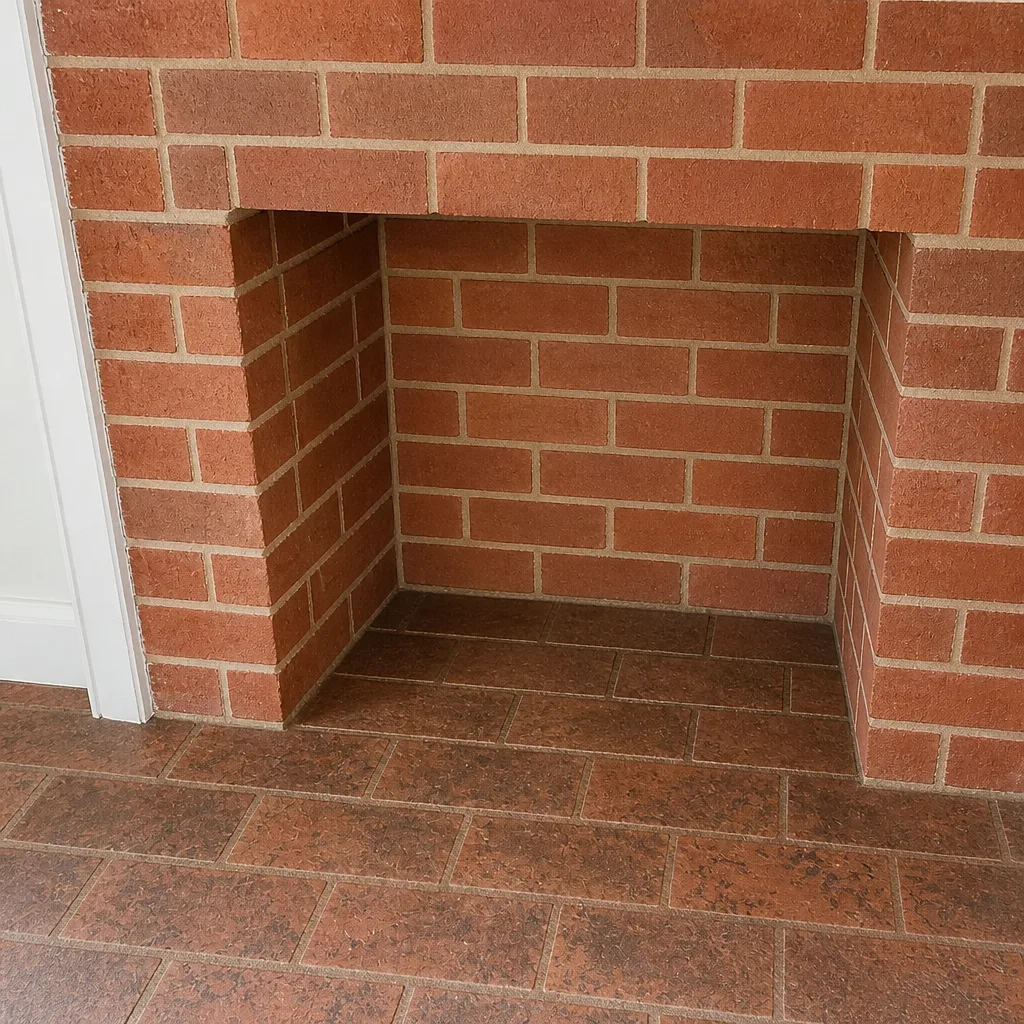
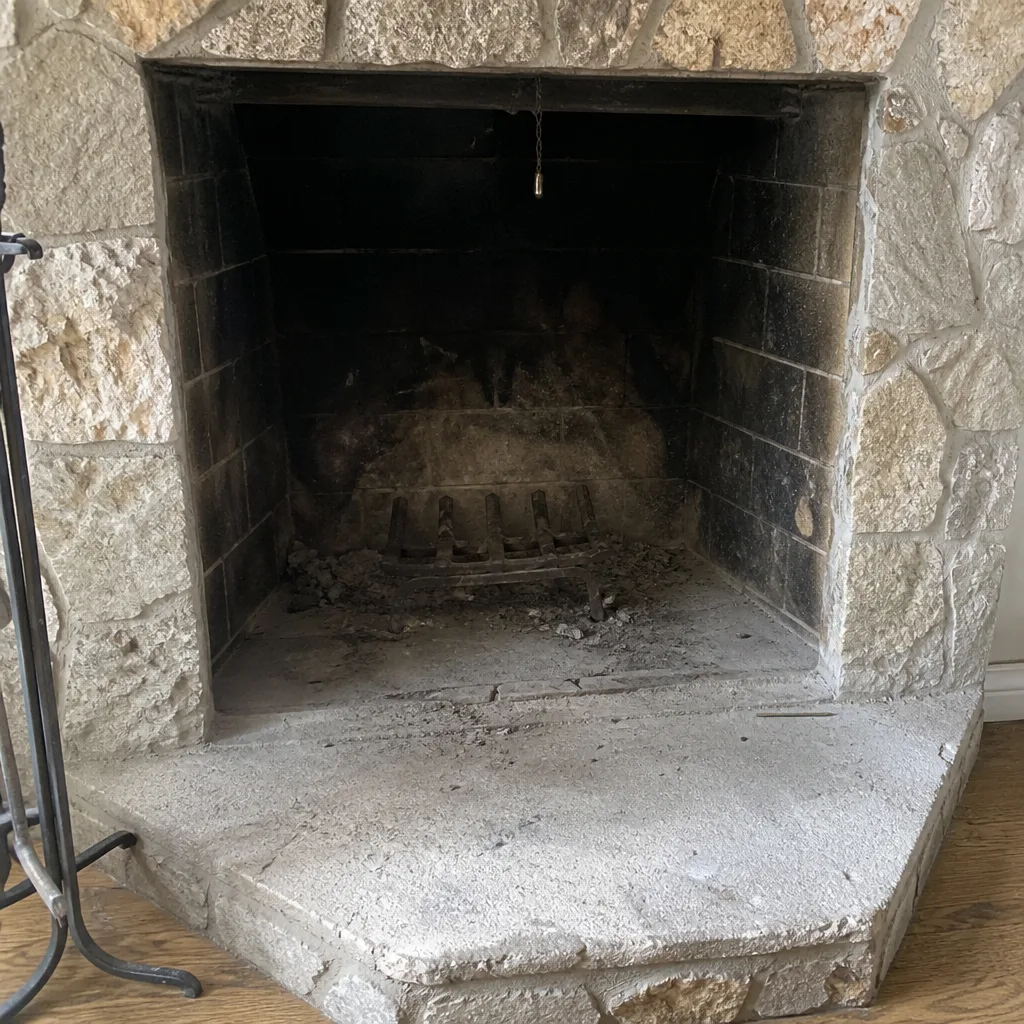
See the difference
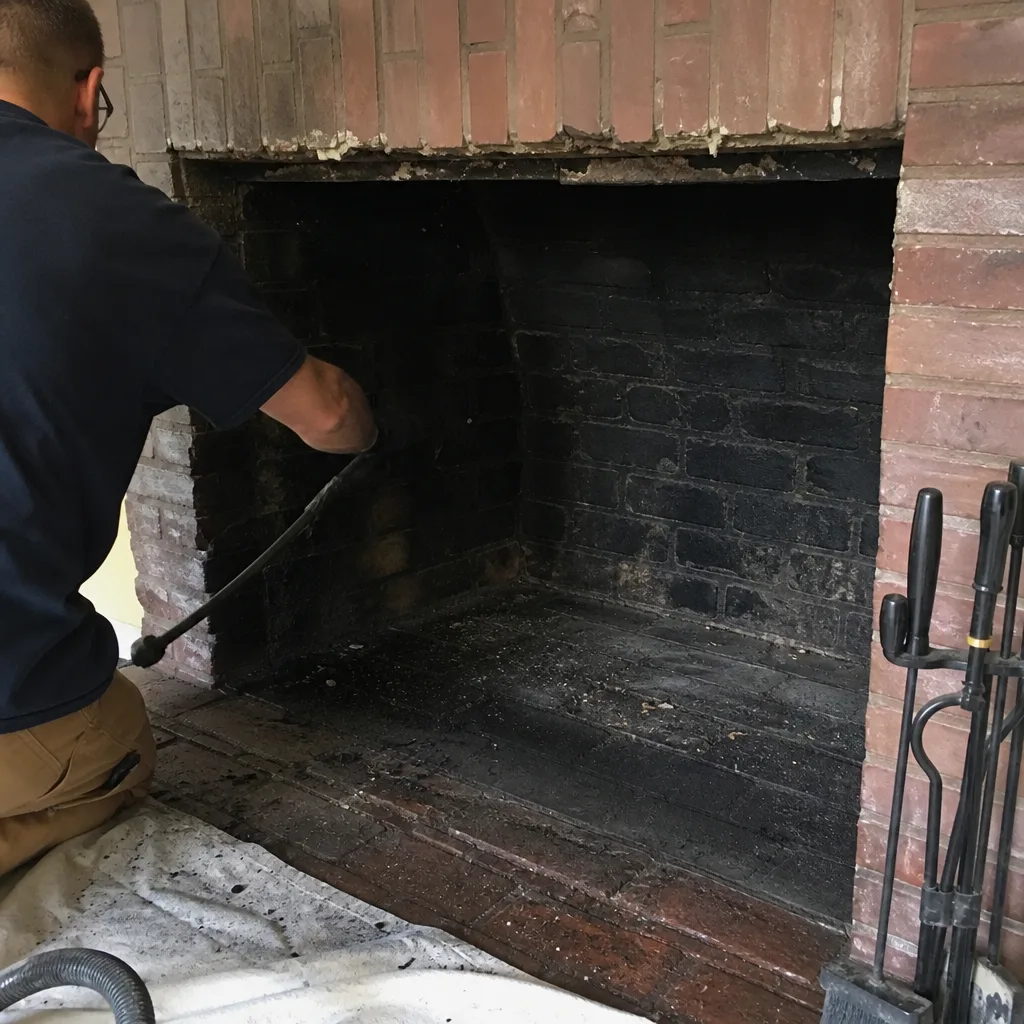 Before
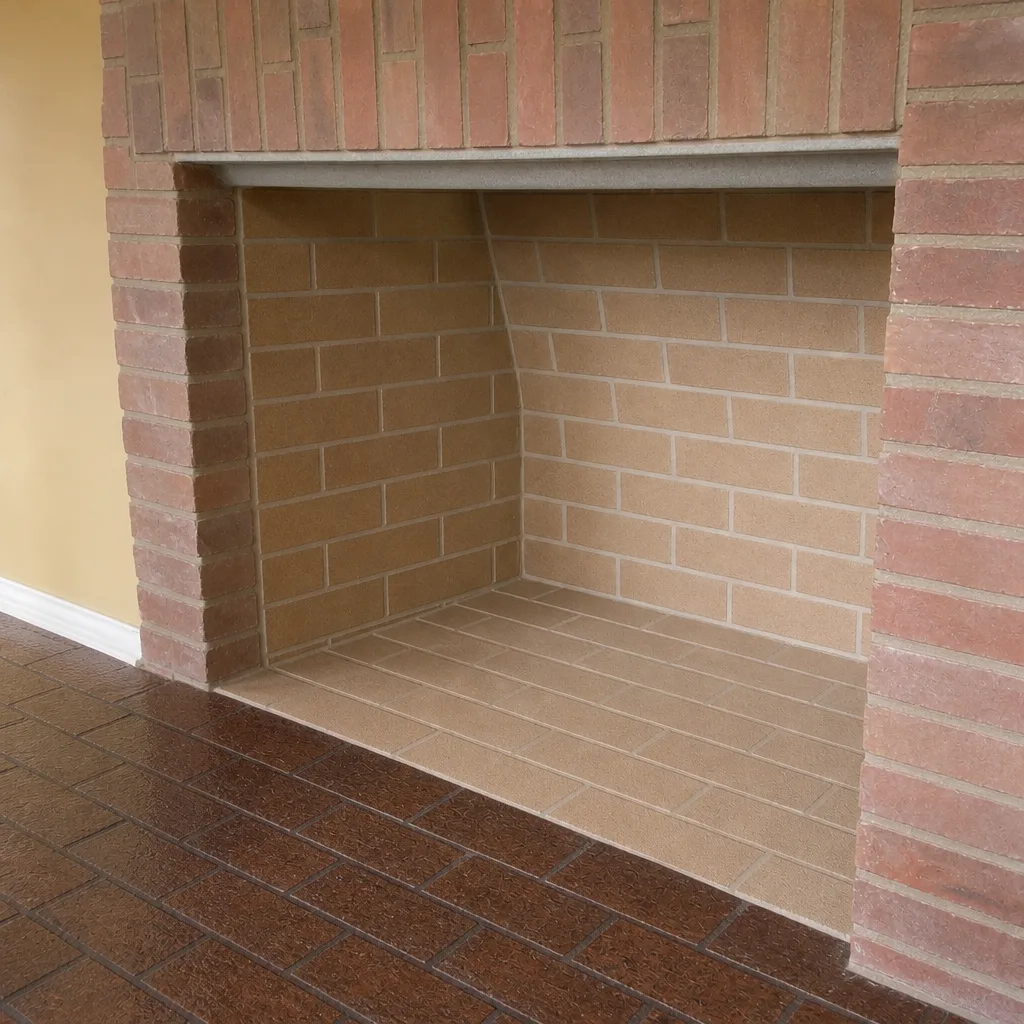 After
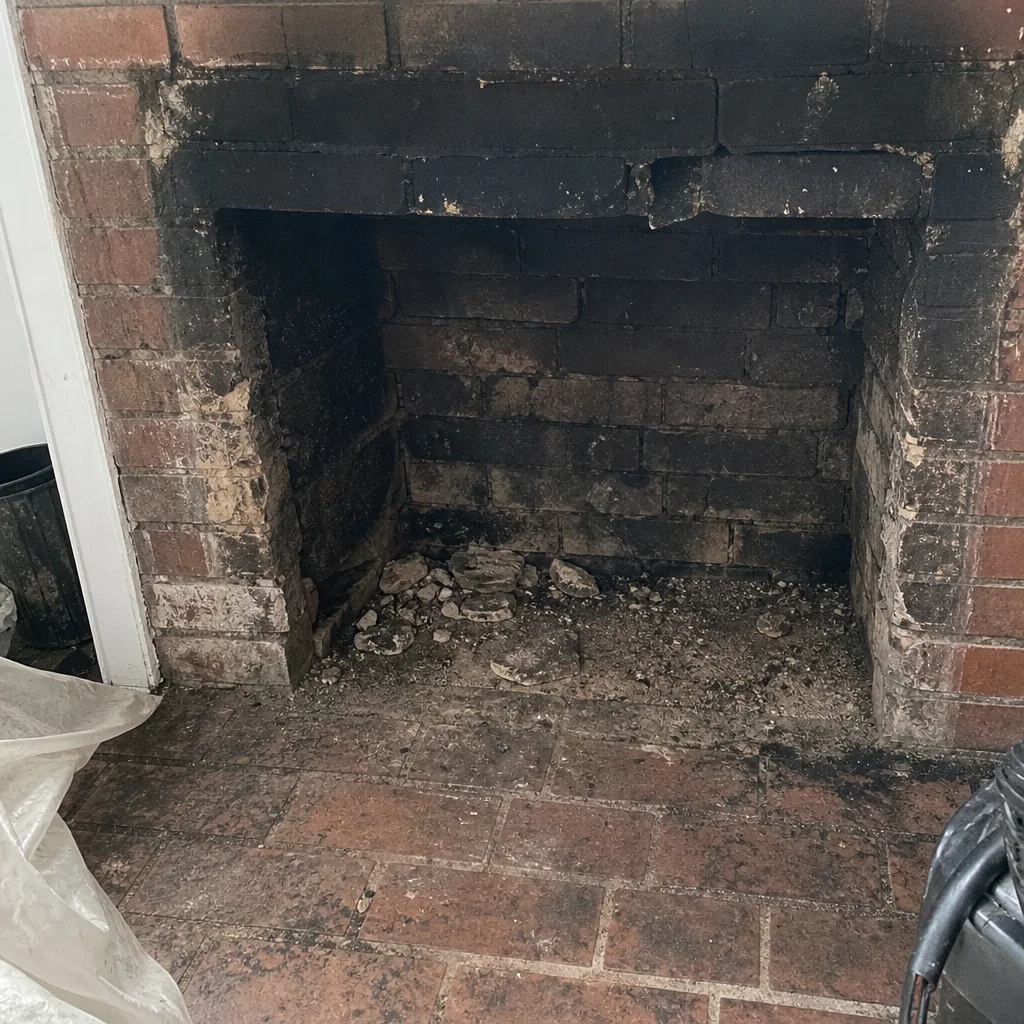 Before
 After
 Before
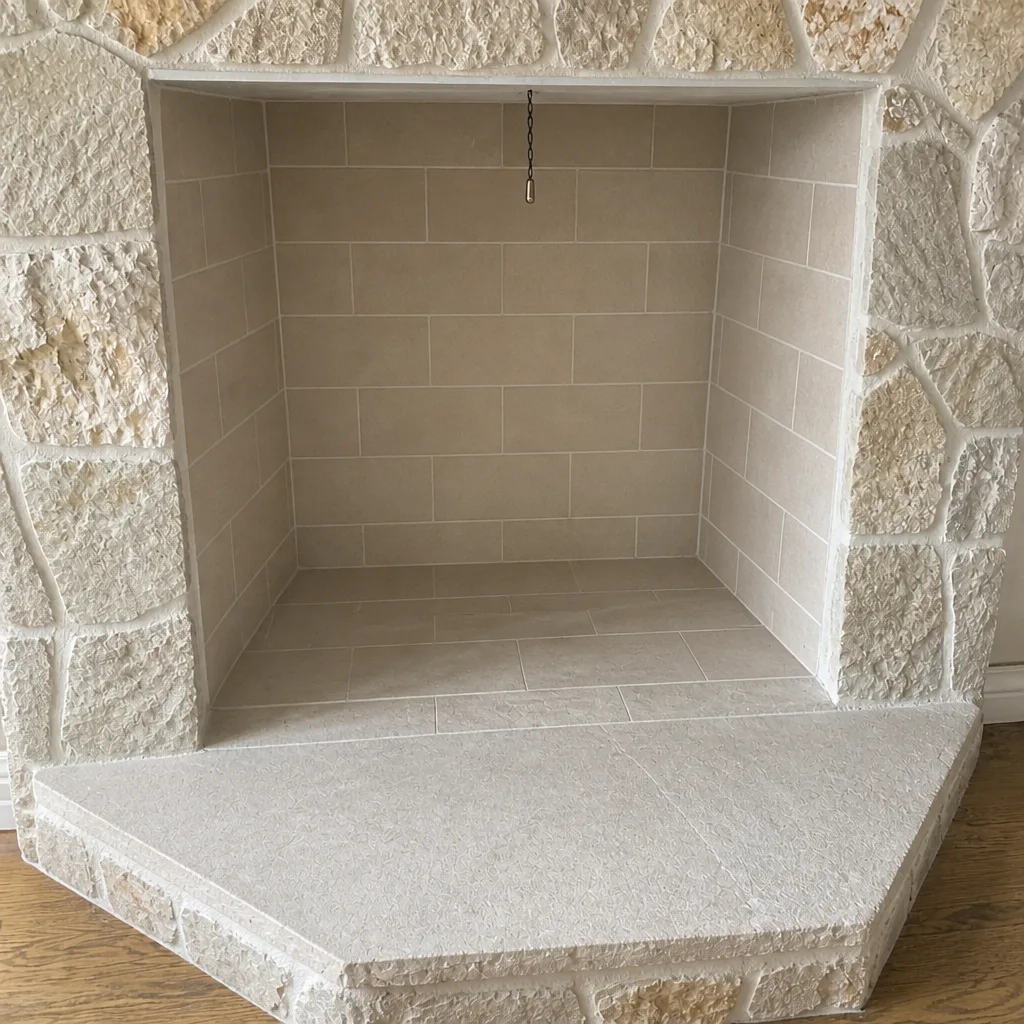 After
When to Call a Professional
Some chimney questions are fine to answer yourself with a visual check. Others call for a trained eye. Call a professional if you notice smoke rolling into the room when you light a fire, if you can smell a strong creosote or musty odor from the chimney area, if you see visible cracking in the crown or spalling on the brick, or if it’s simply been more than a year since your last inspection. Call before the first fire of the season, even if you haven’t noticed anything, because a chimney can be far more compromised than it looks from the hearth. And call if you’ve just moved into a Gainesville home with an unfamiliar fireplace and don’t know what you’ve inherited. Gainesville Chimney Cleaning offers free estimates in Gainesville – call (844) 834-5386. We answer 24/7, and fast dispatch runs 7am to 7pm, Sunday through Friday. Nothing gets recommended without evidence you can see, and if work can safely wait, we’ll tell you that too.
Frequently Asked Questions
Most wood-burning chimneys should be swept once a year, and in Gainesville that annual service is best done in late September or October, before the heating season starts. If you burn heavily or use your fireplace through the occasional cool months, have the flue checked at the seasonal window rather than waiting for a full year. A sweep every year keeps creosote from building up to a dangerous level, and the inspection that comes with it catches moisture and cap problems that a sweep alone wouldn’t. Call (844) 834-5386 for an exact quote – estimates are free.
Summer is the highest-risk season because the chimney is unused, sealed, and exposed to months of humidity, rain, and nesting. Winter gets the attention, but in Gainesville the most common chimney damage – spalling brick, deteriorated mortar, and a damp liner – builds during the long summer. A cap, crown, and flashing that hold up through the rainy season are what protect the chimney all year. If you haven’t checked yours since spring, a late-summer inspection is the most useful call you can make. Call (844) 834-5386 for an exact quote – estimates are free.
In most cases, no. A new liner is one possible outcome of an inspection, not the starting point. In our experience, a surprising number of homeowners are told they need a full reline before anyone has actually scoped the flue. We inspect first and, when the liner has minor cracking or a rough interior, we’ll see whether HeatShield liner restoration can resurface it and extend its life without a full replacement. Nothing gets recommended without camera evidence you can look at yourself, and if the liner is in good shape, we’ll tell you that plainly. Call (844) 834-5386 for an exact quote – estimates are free.
Skipping one season isn’t automatically a crisis. Skipping one season when the cap is missing, the crown is cracked, or the damper doesn’t close means the chimney takes on water and nest material all summer, and that’s when the real damage starts. The safest way to answer the question is to have it inspected and see the difference between “waiting costs nothing” and “this needs attention before fall.” A visual check answers that in about an hour. Call (844) 834-5386 for an exact quote – estimates are free.
Sometimes, and it depends on what the inspection finds. An inspection is the check, a sweep is the cleaning, and they are separate steps, which is why the sequence matters. If the flue is clean or only lightly fouled, a sweep can often wait until the next seasonal window. If there’s any real creosote buildup, the sweep should happen before the next fire. You’ll know which case you’re in after the inspection, not before. Call (844) 834-5386 for an exact quote – estimates are free.
Yes. In a climate with this much rain and humidity, a fitted cap is the single most useful piece of protection you can put on a chimney. It keeps out rain, animals, and nesting material, which are three of the most common problems we see. We fit Gelco and Famco caps because a custom fit is what actually protects the top of the flue, and a loose hardware-store screen won’t hold up to summer storms. Call (844) 834-5386 for an exact quote – estimates are free.
The Bottom Line
Gainesville chimney care follows two seasonal windows, not one fall appointment. Protect the chimney from April through September, when humidity, rain, and nesting cause most of the damage. Book the inspection and sweep in late September through October, before the first cold snap and before the schedule fills. Run the spring checklist so a cracked crown, loose flashing, or missing cap doesn’t sit exposed through the wet season. None of this is complicated, but it only works if it happens on a schedule. If you’re not sure where your chimney stands, that’s the best reason to call and find out.
We’re Gainesville Chimney Cleaning, and seasonal care is the core of what we do. Our free estimates are honest, our recommendations come with photographic evidence, and we’ll say so when the right answer is to wait. Whether you need a routine chimney sweep before the fall or chimney repair after a long wet summer, our Gainesville team can handle inspection, sweep, and repair start to finish. Call (844) 834-5386. We answer 24/7. Fast dispatch from 7am to 7pm, Sunday through Friday.
Written by the team at Gainesville Chimney Cleaning.