
Last updated November 15, 2026
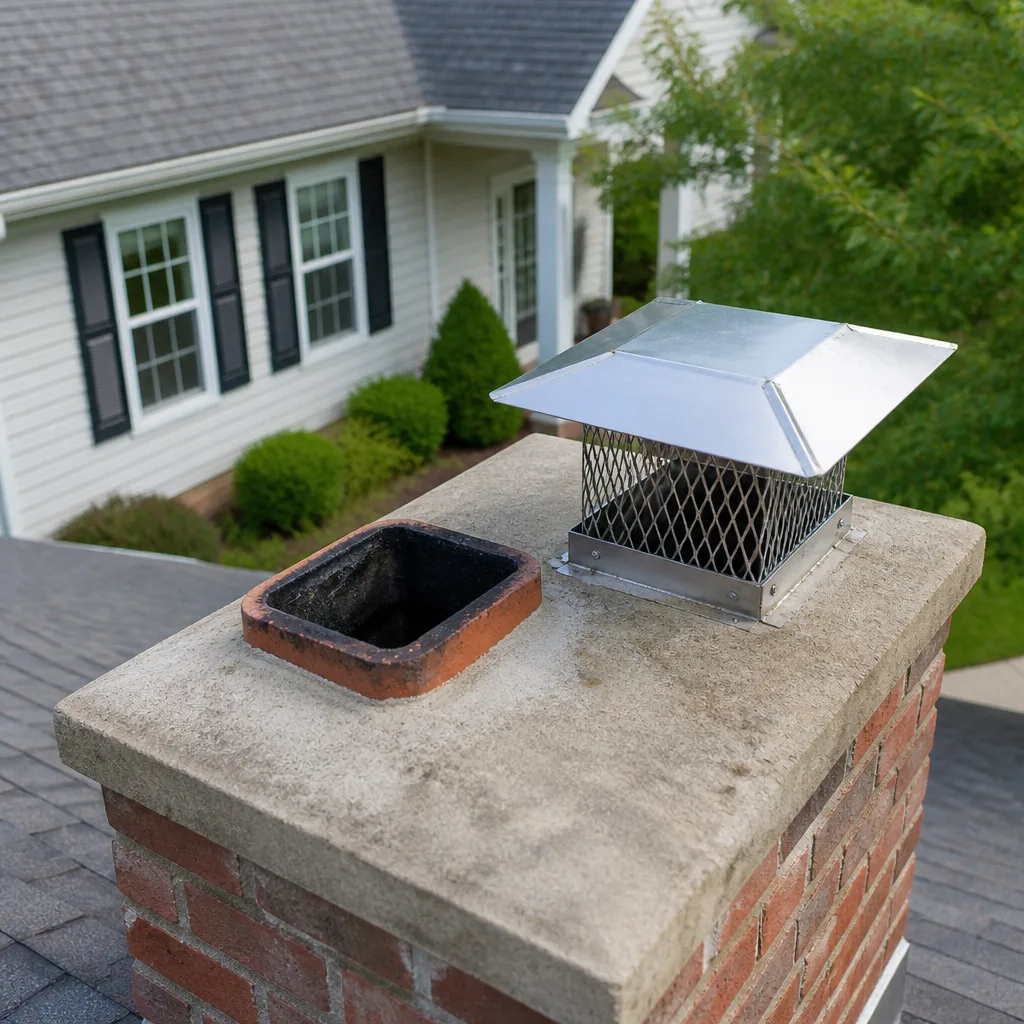 Sweep & inspection
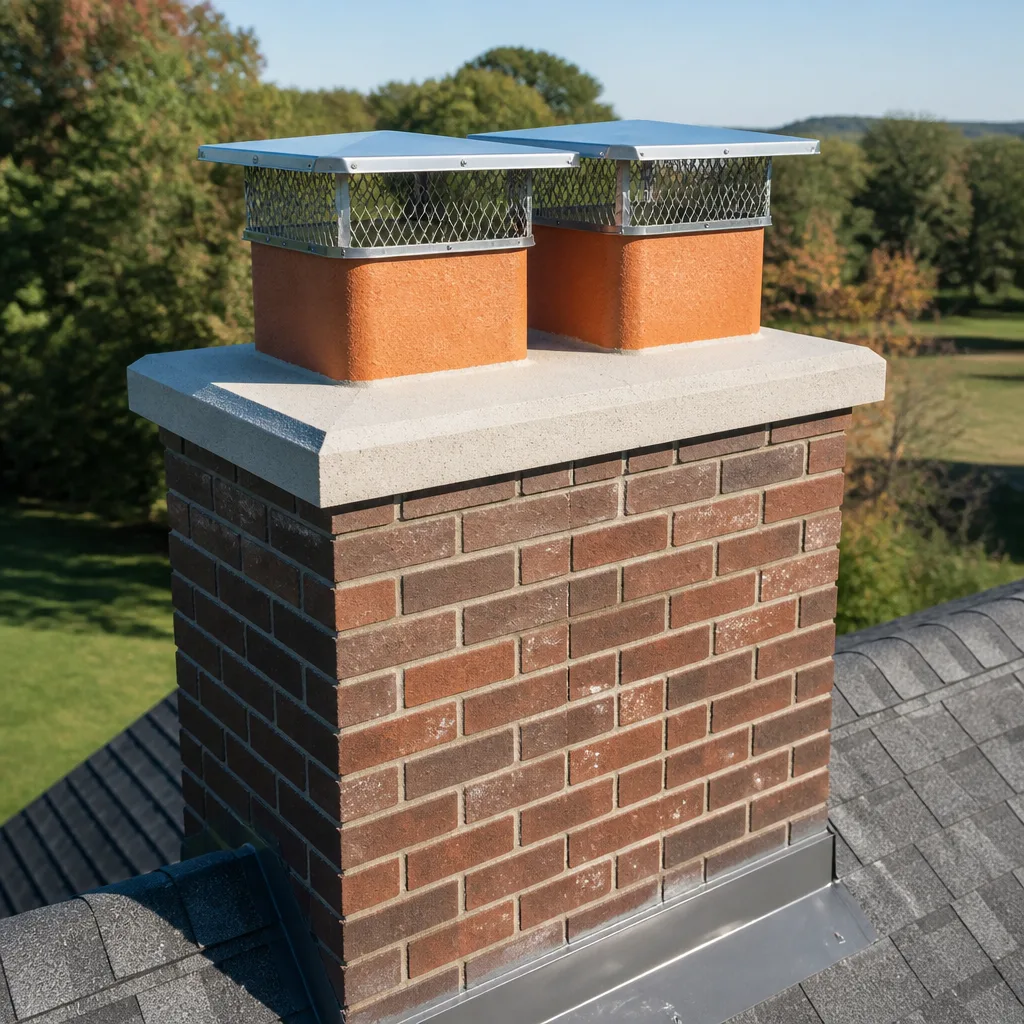 Caps & crowns
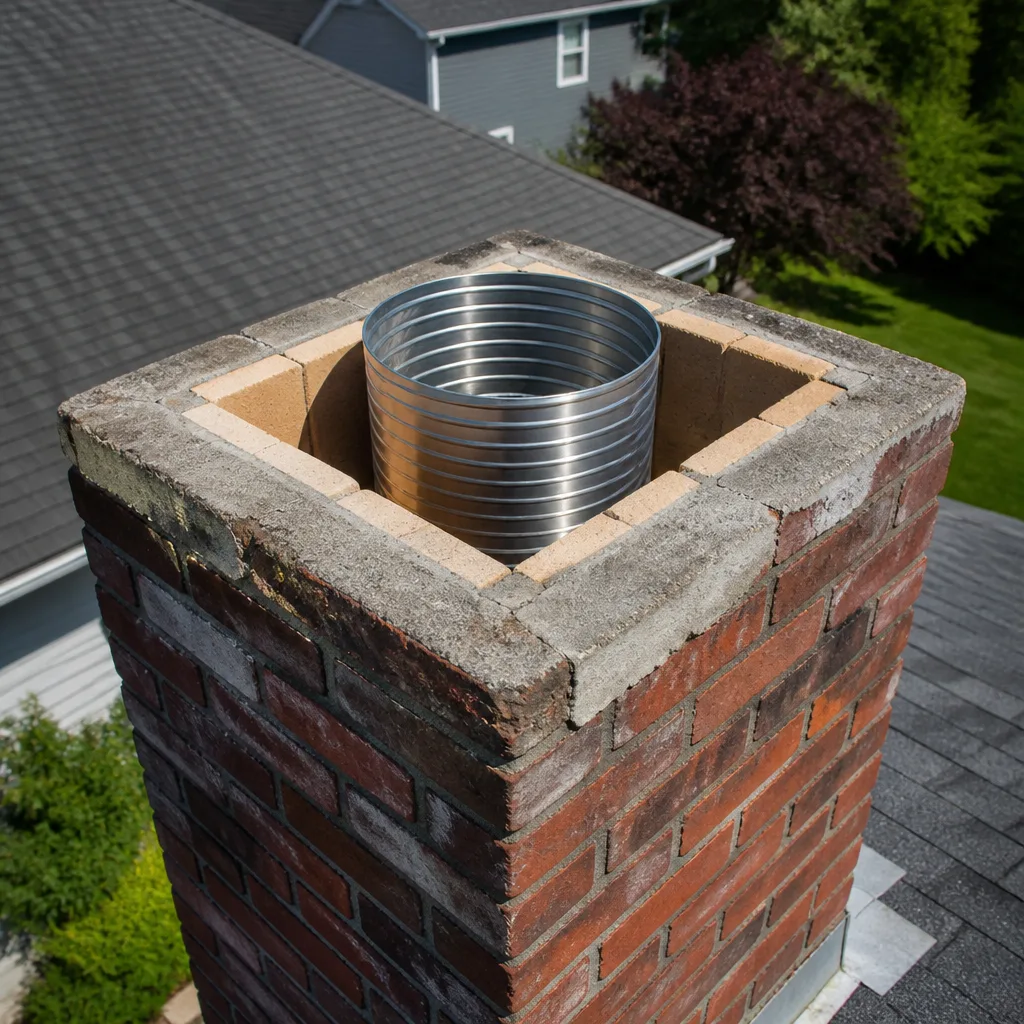 Flue relining
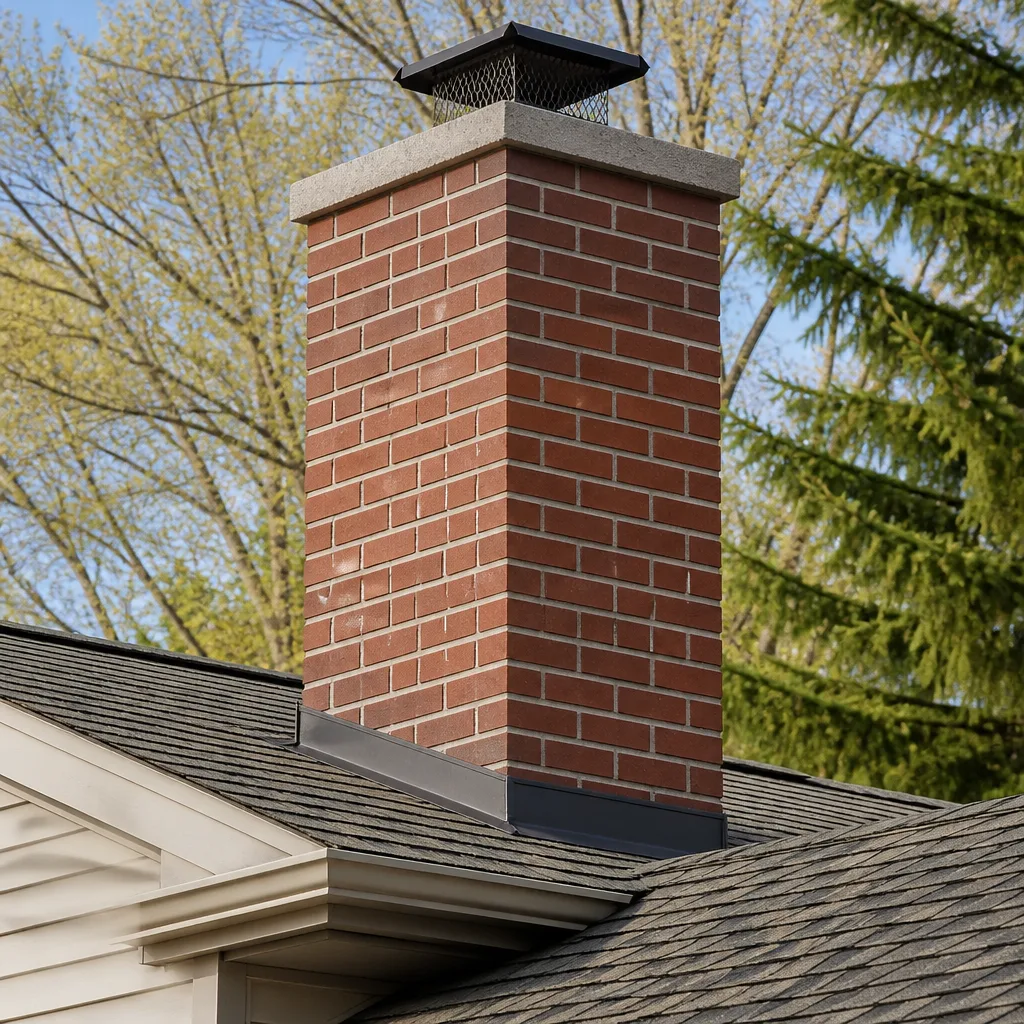 Masonry repair
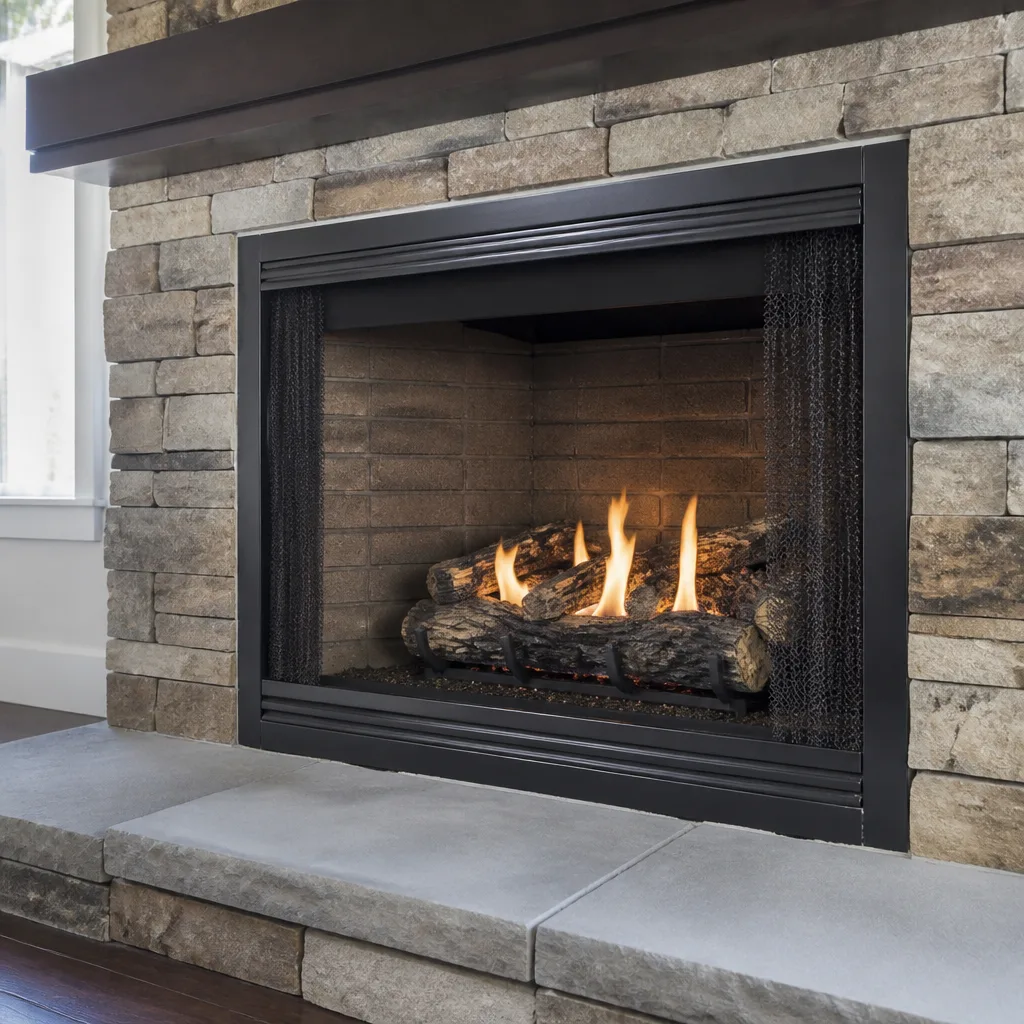 Gas fireplace service
Level 1 sweep and inspection to the NFPA 211 annual standard - flue, crown, cap, and flashing checked and photographed
Chimney sweep logs do not sweep chimneys. They loosen some creosote - which then falls where a brush and vacuum still have to collect it.
Chimney Cleaning Cost Breakdown: The Gainesville Homeowner’s Reference for 2026
The $79 chimney cleaning special you’ve seen advertised covers about 20 minutes with a brush. That’s not a knock on the coupon – it’s a description of what a brush pass actually is. A professional chimney service in Gainesville is a different job: a proper inspection, a controlled sweep with drop cloths and a vacuum running the whole time, and a written record of what we found. This guide breaks down what each part of that service costs in 2026, why two quotes for the same chimney can differ by more than $200, and which add-ons you can decline without putting your home at risk. By the end, you’ll know how to read a quote instead of just comparing the bottom line.
Quick Answer
A standard chimney sweep in Gainesville typically runs $150-$300, a Level 1 inspection is usually bundled into that sweep, and a Level 2 video inspection adds roughly $150-$350 on its own. Liner work, cap replacement, and waterproofing are separate repairs that range from a few hundred to a few thousand dollars depending on what the camera actually finds. Your written estimate sets the final price, and nothing should be recommended that you can’t see for yourself on the inspection report.
Styles & brands we work with
- Sweep & inspection
- Caps & crowns
- Flue relining
- Masonry repair
- Gas fireplace service
Table of Contents
- What Are You Actually Paying For in a Chimney Sweep?
- Chimney Service Cost Ranges in Gainesville for 2026
- Why Do Chimney Quotes Vary by $200 or More?
- Which Add-Ons Are Necessary and Which Are Upsells?
- Wood Fireplace vs. Gas Insert: The 5-Year Cost Comparison
- How to Build a Multi-Year Chimney Maintenance Budget
- How to Read a Chimney Quote Line by Line
- When Should You Book Chimney Service in Gainesville?
What Are You Actually Paying For in a Chimney Sweep?
A professional sweep is a scope of work, not a single motion. When you pay for a real cleaning, the money goes into setup, containment, and verification – the parts that keep soot out of your living room and guarantee the flue is actually clear when we leave.
Here’s what a legitimate sweep includes, in order:
- Protection of the work area. Drop cloths over the hearth and surrounding floor, and a HEPA vacuum running from the moment we open the damper. This alone is why a proper sweep takes longer than a brush-and-go.
- A Level 1 inspection before cleaning. We look at the firebox, damper, smoke chamber, and visible flue to see what we’re dealing with before the brush goes up.
- Mechanical sweeping of the flue. The right brush for the flue type – poly for stainless liners, wire for clay tile – run the full length of the chimney.
- Removal of creosote and soot from the firebox and smoke shelf. The smoke shelf is where debris collects and where a lazy sweep leaves it.
- A post-sweep check and a written report. What we found, what we cleaned, and what needs attention.
The brush itself costs nothing to run. What you’re paying for is the technician’s time, the containment equipment, and the trained eyes that catch a cracked flue tile or a failing joint while they’re up there. Our technicians have up to 11 years of experience, and the difference between a technician who’s seen hundreds of Gainesville flues and one who hasn’t shows up in what gets caught. If you want to understand the service on its own terms before comparing prices, start with the chimney sweep page and then come back here for the numbers.
Chimney Service Cost Ranges in Gainesville for 2026
These are typical estimated ranges for residential chimney work in the Gainesville market in 2026. They’re not exact quotes – chimney geometry, roof pitch, access, and the condition of the flue all move the number. Treat them as a benchmark for evaluating what you’re handed.
| Service | Typical Estimated Range | What Moves the Price |
|---|---|---|
| Standard sweep (wood-burning fireplace) | $150-$300 | Flue length, creosote level, access |
| Sweep with gas appliance or insert | $175-$325 | Appliance removal, venting configuration |
| Level 1 inspection | Usually bundled with sweep | Often included; confirm in writing |
| Level 2 video inspection | $150-$350 | Camera run, roof access, report detail |
| Liner restoration (HeatShield resurfacing) | $1,200-$2,800 | Flue length, damage extent |
| Full liner replacement (DuraFlex) | $2,500-$6,000 | Liner type, height, insulation, cap |
| Chimney cap replacement (Gelco/Famco) | $200-$600 | Cap style, custom fit, flue count |
| Waterproofing treatment | $300-$800 | Chimney size, masonry condition |
| Crown repair | $400-$1,500 | Repair vs. rebuild, access |
| Masonry repointing (spot work) | $500-$2,500 | Square footage, height, staging |
Two things to notice. First, the gap between liner restoration and full replacement is where the most expensive decisions happen – HeatShield resurfacing is a line that many local competitors don’t offer, and it can save a homeowner thousands when the existing flue is structurally sound but worn on the inside. Second, waterproofing and cap work are the two cheapest line items on the table and the two that prevent the most expensive ones. If masonry is failing from water intrusion, a $300-$800 treatment now is the difference between that and crown work or repointing later.
We put every recommendation on a written estimate before any work begins. Nothing gets added after the fact without a conversation, and the camera evidence comes with a photo report you keep.
Why Do Chimney Quotes Vary by $200 or More?
Two companies quote the same Gainesville chimney and the numbers are $200 apart. Both call it a sweep. The gap comes down to what each one is actually including – and how much time they’re budgeting for the job.
Here’s what accounts for the difference:
- Containment equipment. A company running a HEPA vacuum and drop cloths spends more on setup and more time doing it. A company brushing without containment is faster and cheaper and leaves the soot for you.
- Inspection depth. A sweep with a Level 1 inspection included is a different service than a brush pass with a visual glance. Ask which one the quote covers.
- Credentials and training. Chimney-dedicated technicians cost more to keep on the job than generalists. That shows up in the price – and in what they catch.
- Scope creep on the front end. Some quotes look low because they exclude the inspection, the report, or the second flue. Read the exclusions.
- Upsell pressure after the sweep. A low sweep price that turns into a $3,000 liner recommendation within an hour of arrival is a pricing model, not a service. The sweep was a door opener.
In our experience across the Gainesville area, the quote that lands in the middle of the range and comes with a clear written scope is usually the honest one. The lowest and the highest quotes both deserve a harder look. If you want a straight comparison, our Gainesville Chimney Cleaning team provides free estimates with the scope spelled out line by line, so you can put it beside any other quote you’ve received.
Which Add-Ons Are Necessary and Which Are Upsells?
This is the question that saves homeowners the most money. Not every add-on is an upsell, and not every upsell is dishonest – but some items on a quote should follow evidence, and some should follow a calendar.
Genuinely necessary, when the evidence supports it:
- Liner repair or restoration. Only when the camera shows a crack, gap, or deteriorated joint that lets heat or combustion gases near framing. This is a safety line item, not a maintenance one.
- Cap replacement. If the cap is missing, damaged, or the wrong size, animals and rain get in and the flue degrades. A properly fitted Gelco or Famco cap is a one-time fix.
- Waterproofing. Gainesville’s wet summers do slow, steady damage to masonry. If the brick is absorbing water, treatment is worth it.
- Crown repair. A cracked crown channels water directly into the chimney structure. This one escalates fast if ignored.
Often upsells when offered as routine:
- Full liner replacement pitched without camera evidence. Ask to see the footage. If the technician can’t show you the defect, don’t authorize the work.
- Heavy-duty creosote treatment sold on every visit. If your burning habits and wood quality are consistent, a routine sweep handles third-degree creosote. It should be quoted only when it’s found.
- Masonry repointing on a chimney that isn’t showing spalling or open joints. Cosmetic mortar work belongs on a maintenance timeline, not an emergency quote.
- Multi-year packages sold before the first sweep. Book the inspection first. Budgets come after the findings, not before.
The test is simple: ask “can you show me?” Any legitimate recommendation survives that question. If the answer is a photo report with the camera run marked and dated, the work is real. If it’s a technician pointing upward and telling you it looks bad, it can wait until you have evidence.
Wood Fireplace vs. Gas Insert: The 5-Year Cost Comparison
Over five years, a wood-burning fireplace costs less to maintain than a gas insert conversion costs to install – but only if you’re doing the annual maintenance either way. The comparison is not “wood is cheap, gas is expensive.” It’s a comparison of where the money lands and how predictable it is.
Wood-burning fireplace, 5-year maintenance estimate:
- Annual sweep and Level 1 inspection: roughly $150-$300 per year, so $750-$1,500 across five years
- Waterproofing every few years: $300-$800, likely once or twice
- Cap replacement somewhere in the window: $200-$600
- Contingency for liner restoration or crown work: set aside $1,000-$3,000 as a reserve, spent only if the camera finds something
- Total typical 5-year outlay: $1,500-$4,000, most of it predictable and inspectable
Gas insert conversion, 5-year estimate:
- Insert and installation: $3,000-$7,000 depending on venting and the appliance chosen
- Liner/venting work to accommodate the insert: often $1,000-$3,000 additional
- Annual service on the insert: reduced compared to wood, but still a real line item
- Total typical 5-year outlay: $4,500-$10,000+, front-loaded
The decision isn’t purely financial. If you use the fireplace a few times a year and want the convenience of a switch, the gas conversion may be worth it to you regardless of the numbers. If you burn regularly and like the wood fire, keeping the masonry system maintained is far cheaper over five years than converting. What matters is that the comparison be honest: converting doesn’t eliminate chimney maintenance, it changes it.
For the wood-burning path, the maintenance line items are what we handle directly – our chimney repair service covers restoration and cap work through the same visit as the sweep, so you’re not coordinating three contractors for one chimney.
How to Build a Multi-Year Chimney Maintenance Budget
A chimney budget isn’t about predicting the exact dollar figure. It’s about shifting from emergency spending to scheduled spending. Here’s the structure we recommend for a Gainesville homeowner with a wood-burning fireplace.
- Year one: get the baseline. Book a sweep with a Level 1 inspection and, if the chimney hasn’t been looked at recently or you’ve had a chimney fire or a change in the system, a Level 2 video inspection. This establishes what you’re starting from. Ask for the photo report and keep it.
- Year two: annual sweep and inspect. Budget $150-$300. If year one flagged a cap or waterproofing need, handle the smaller item now rather than bundling everything into one big job.
- Year three: mid-cycle review. Sweep, inspect, and ask specifically about masonry condition, crown integrity, and flashing. If the answers are clean, keep going. If not, get a written repair estimate and decide on a schedule.
- Year four: annual sweep and inspect. Same range. Any waterproofing treatment done in year two or three is likely still holding.
- Year five: full review. Sweep, inspect, and if the liner hasn’t been evaluated directly since year one, run a Level 2 to confirm it. This is the point where a liner restoration decision, if one is coming, usually surfaces.
Set aside a reserve of roughly $1,000-$2,000 earmarked for chimney repair over any five-year window. Most Gaine
sville homeowners never spend it. The ones who do are usually fixing something the camera caught early, which is exactly when it’s cheap. The chimney inspections page is where the two sides of this connect – the annual visit and the repair, in one conversation.
The point of budgeting is to take the surprise out of it. When we hand over a photo report, we tell you what we found, what can safely wait, and what shouldn’t. You decide the timeline, and the number stops being a shock.
How to Read a Chimney Quote Line by Line
A chimney quote is a document you should be able to audit. Here’s how to read one in about five minutes.
- Confirm the sweep scope. Does the quote specify flue length swept, containment equipment used, and post-sweep cleanup? If not, ask.
- Look for the inspection level. Level 1 (visual, with the sweep), Level 2 (video, with a report), or Level 3 (diagnostic, invasive). A quote that doesn’t name one is incomplete.
- Check whether the report is included. A written findings report with photos should come with any inspection. If it’s a separate charge, ask why.
- Separate findings from work. A good quote has two parts: the sweep with inspection, and a separate estimate for any recommended repairs. Repairs should never be bundled as “while we’re here” pricing without your approval of the documented finding.
- Read the exclusions. Not covered: what? Second flue? Roof access above a certain pitch? Masonry above the roofline? Exclusions are where the low quote hides.
- Ask about materials brands. Professional-grade materials matter. HeatShield restoration, DuraFlex liners, and Olympia Chimney and Copperfield components are the trade-standard materials used by certified specialists. A quote that doesn’t specify brands is a quote that leaves the choice open.
If you’re in a neighborhood like Haile Plantation, Turkey Creek, or the older housing stock near downtown Gainesville, the flue setup can vary widely from home to home, and the quote should reflect what’s actually there. Age of construction, original masonry versus later additions, and whether an insert has been added all change the work. A quote that treats every chimney the same is a quote that hasn’t looked.
When Should You Book Chimney Service in Gainesville?
Gainesville winters are mild, which means the chimney is used a handful of months and ignored the rest of the year. That’s the reason the annual sweep should be scheduled on a calendar rather than on a symptom.
Book before burning season, not after. The best window is late summer through early fall – August to October – so any repair the inspection turns up can be completed before you want to light the first fire. Scheduling in January after you’ve already been burning means either delaying the fire or delaying the fix, and neither is good.
Two additional triggers override the annual calendar:
- After any chimney fire. Even a small one can crack flue tiles or warp a liner. A Level 2 inspection after a fire is not optional.
- After a change in the system. A new appliance, a new insert, a different fuel type, or a major storm event that affected the chimney or roofline.
If your fireplace has gone a season or two without service, the first visit should be treated as a baseline rather than a routine sweep. That’s fine. Better to establish the starting point than to guess. And if a technician finds a hazard – a blocked flue, a disconnected liner, a badly deteriorated smoke chamber – that’s a real fire and carbon monoxide risk, not a sales pitch. Carbon monoxide from a compromised flue is the specific reason a visual-only inspection isn’t enough when the flue interior is in question.
Common Mistakes to Avoid
- Booking on price alone. The lowest quote in Gainesville is often the one with the most exclusions. Compare scopes, not just totals, or you’ll be comparing a full sweep to a brush pass with the inspection missing.
- Treating a coupon sweep as a full service. A discounted brush-and-go covers the brush. It doesn’t cover the inspection, the report, or the containment – so plan a proper visit, not just a cheap one.
- Authorizing liner work without seeing the footage. Any repair recommendation should come with camera evidence you can look at yourself. If it doesn’t, ask for it before you sign anything.
- Ignoring the cap because “the chimney looks fine.” A missing or damaged cap is a silent problem. Rain and animals get in through the top and the damage shows up years later as a liner or masonry repair.
- Running the same brush through a stainless liner and a clay flue. They’re different materials and they take different brushes. A generalist crew that doesn’t ask what’s inside the chase is a crew that can damage a liner.
- Skipping the annual sweep because “we only burn a few fires.” Low use doesn’t mean no creosote, and it doesn’t mean the flue hasn’t changed. The annual inspection is what catches the changes.
- Hiring a chimney specialist who does everything else too. A roofer or handyman who “also cleans chimneys” is not a chimney specialist. The specific issues a flue develops are the product of training, not general experience.
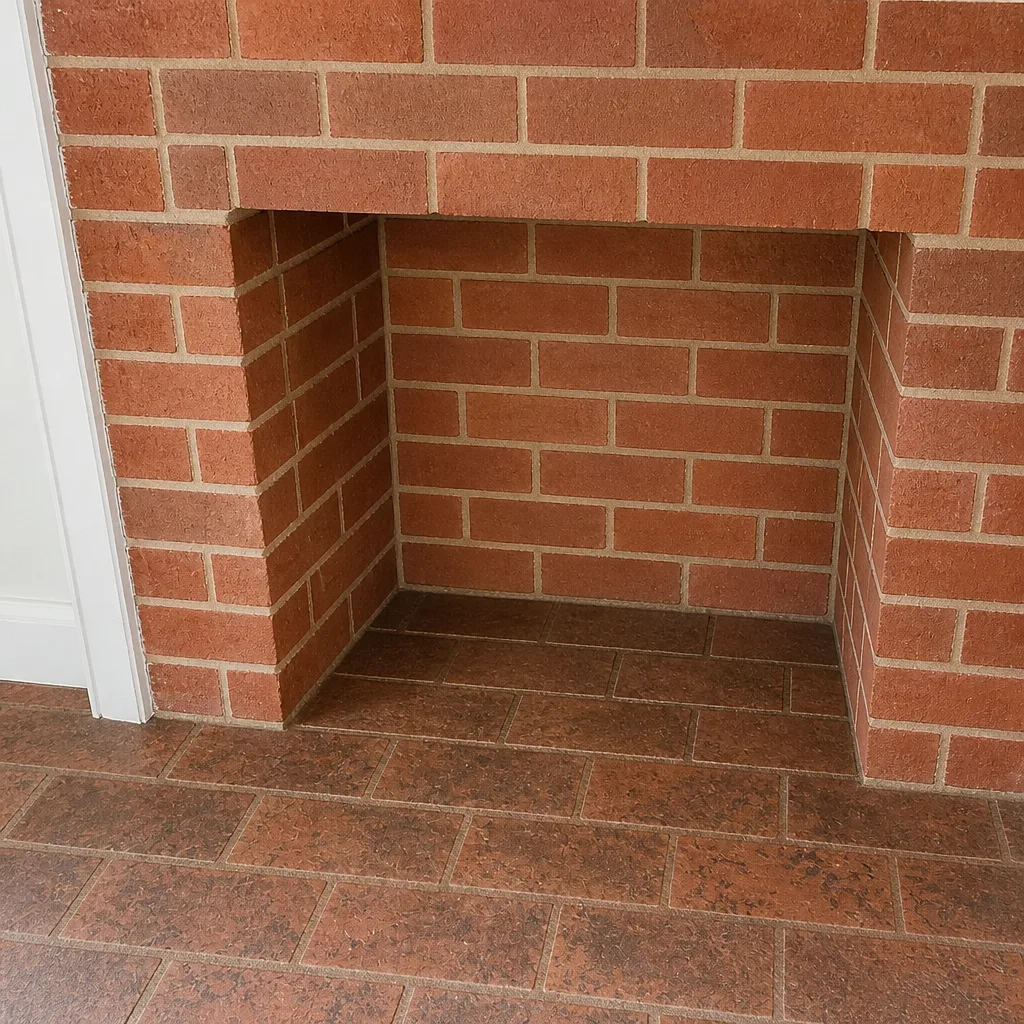
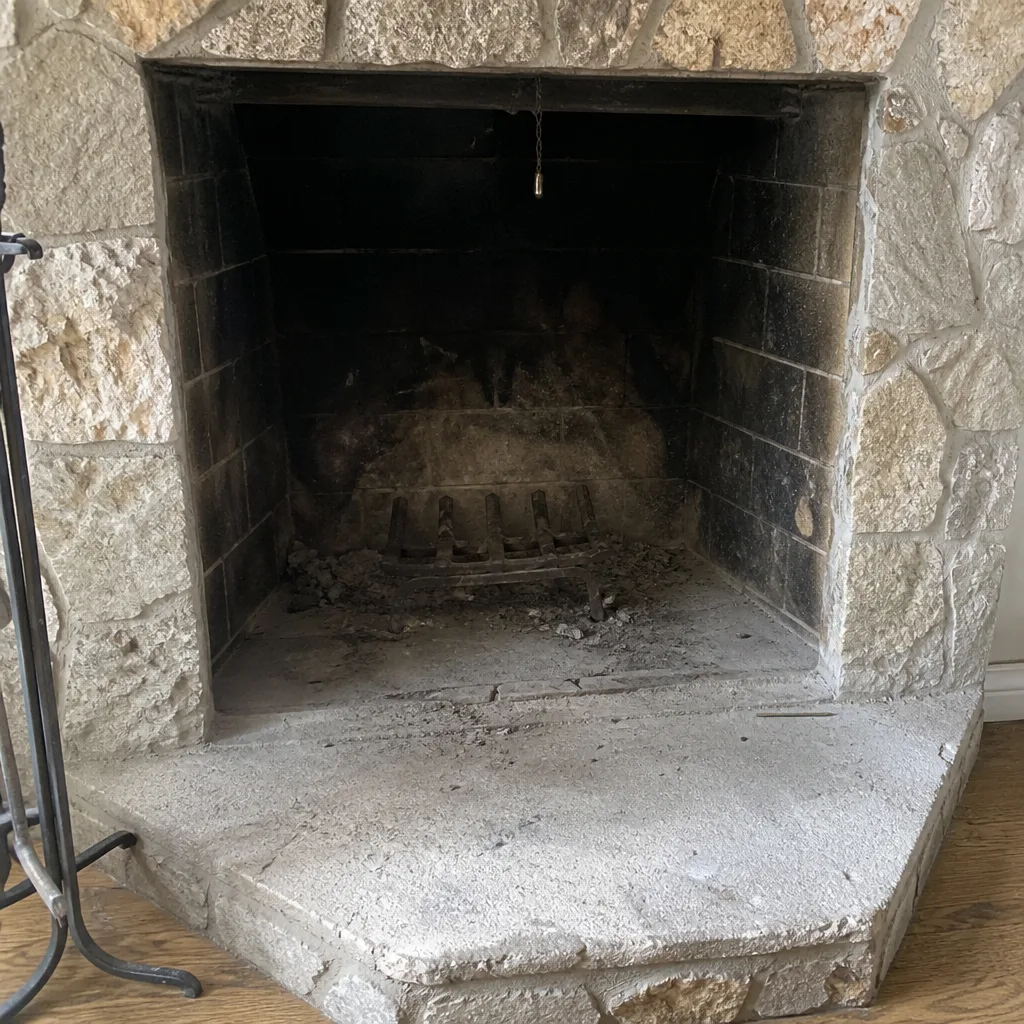
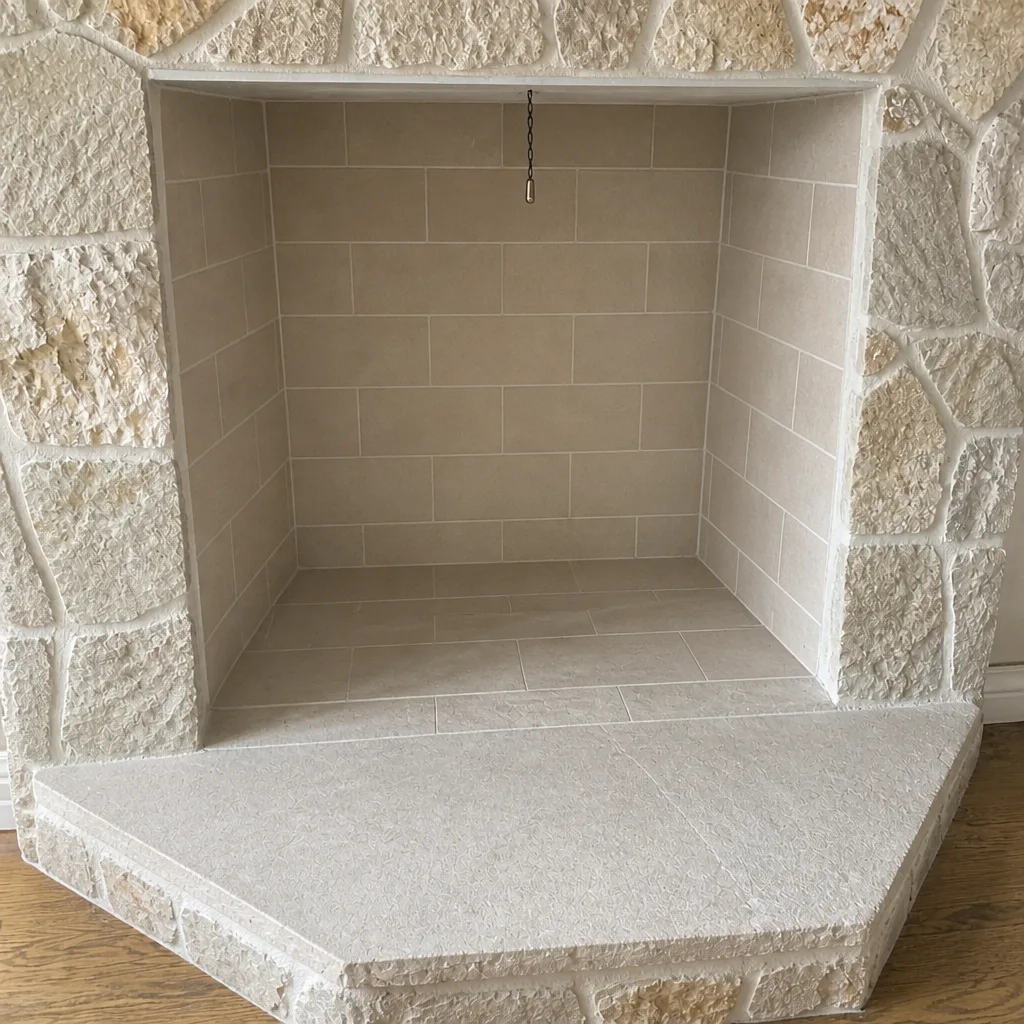
See the difference
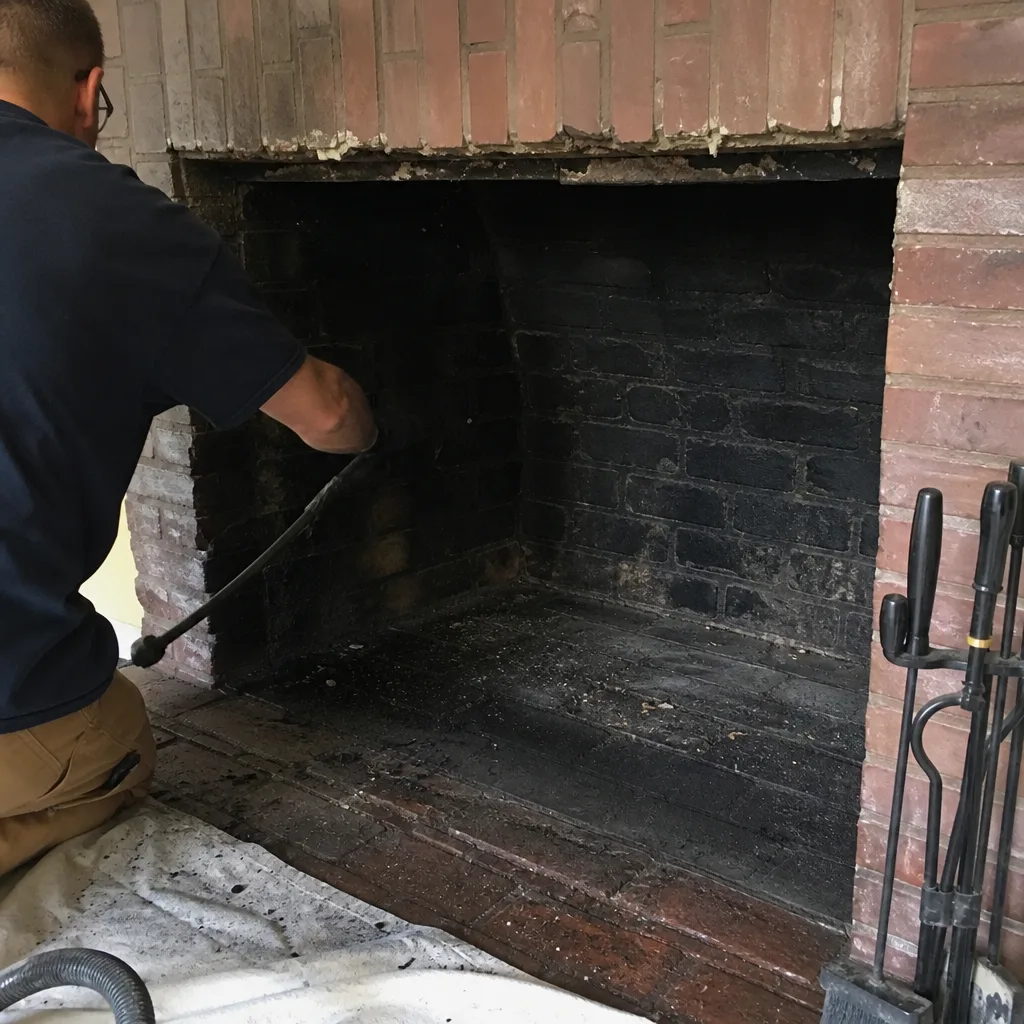 Before
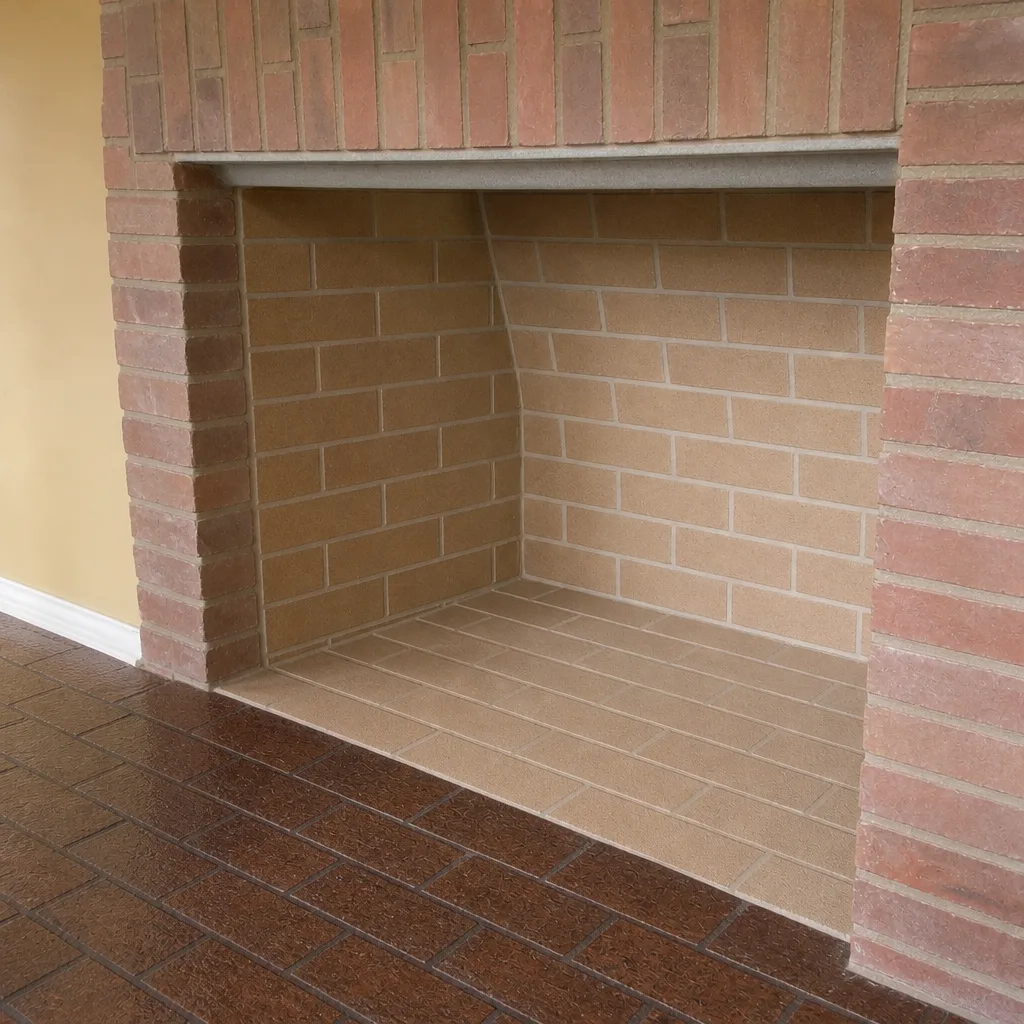 After
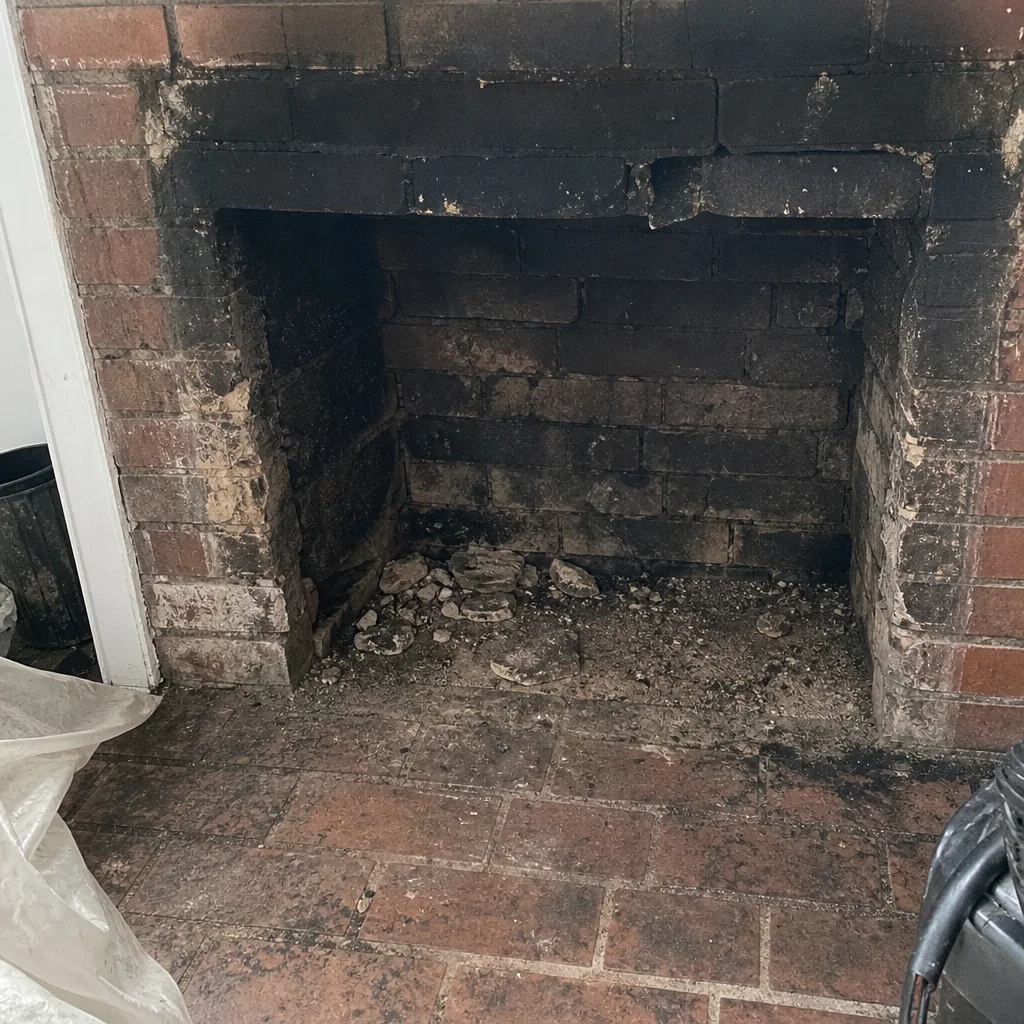 Before
 After
 Before
 After
When to Call a Professional
Call a chimney professional if any of these applies to your home:
- You’ve had a chimney fire, even a small one you put out yourself
- You smell a strong odor from the fireplace when it’s not in use – that’s often creosote or a downdraft issue that needs diagnosis
- The fireplace smokes back into the room when lit
- You’ve never had the chimney inspected, or you bought the house without records
- You’ve noticed cracked or spalling brick, missing mortar, or a damaged crown
- You’re changing fuel type or adding an insert
- The cap is missing, damaged, or you’ve seen animals in or around the flue
Any of these warrants a proper inspection rather than another season of waiting. We offer free estimates in Gainesville for every service we provide, and the estimate comes with the scope spelled out so you know what you’re getting. Call (844) 834-5386. We answer 24/7. Fast dispatch from 7am to 7pm, Sunday through Friday.
Frequently Asked Questions
A standard chimney sweep in Gainesville typically costs between $150 and $300. That range covers the sweep, containment, basic cleanup, and usually a Level 1 visual inspection with a written report. The written estimate you receive before the work sets the final number, so ask for it in writing rather than assuming the range is fixed. Call (844) 834-5386 for an exact quote – estimates are free.
A Level 2 video inspection is needed whenever the flue interior hasn’t been directly evaluated – after a chimney fire, after a change in appliance or fuel type, on a home you’ve just moved into, or when the Level 1 turns up anything that needs a closer look. For a routine annual sweep with a flue that’s already known to be sound, a Level 1 is usually sufficient. The video inspection costs typically $150-$350 and is the only way to confirm a defect that can’t be seen from the top or the firebox. Call (844) 834-5386 if you’re unsure which one applies – we’ll walk you through it.
Creosote builds up, and a heavily creosoted flue is a chimney fire risk. The specific danger is third-degree creosote – a hardened, glazed layer that can ignite and reach high temperatures inside the flue. Soot and debris also restrict draft, which pushes smoke back into the room and can compromise combustion safety. Skipping a season or two is fixable. Skipping years without inspection is where small problems become structural ones. Call (844) 834-5386 to get back on a schedule – estimates are free.
Some caps and waterproofing work can safely wait a season, and some cannot. A properly fitted Gelco or Famco cap prevents water and animals from entering the flue, so a missing or damaged cap is worth fixing at the next convenient visit. Waterproofing is worth doing when the masonry is absorbing water, but if the brick is in good shape and there’s no visible spalling, it can go on a maintenance timeline. Nothing should be recommended without camera or photo evidence you can see. Call (844) 834-5386 if you want a second opinion on a quote.
Once a year, if the fireplace is used with any regularity, and at least every couple of years even with very light use. The mild winters here don’t change the creosote math, but they can create a false sense that the chimney is idle. Light usage still produces creosote and still leaves the flue vulnerable to moisture and animal intrusion during the off-season. The annual inspection is about catching what’s changing, not just cleaning. Call (844) 834-5386 to book a sweep before burning season.
Often yes, when the existing flue is structurally sound and the wear is on the inside surface. HeatShield resurfacing restores the interior rather than replacing the entire liner, and that can save thousands compared to full replacement with DuraFlex. The catch is that it only works when the underlying structure is intact – a collapsed or heavily damaged flue needs the full liner. The camera inspection decides which path applies, and the answer should always come before the quote. Call (844) 834-5386 for a free estimate with the evidence in hand.
The Bottom Line
The cost of chimney cleaning in Gainesville is less mysterious once you separate the sweep from the repairs. A sweep is $150-$300 and covers the brush, the containment, and a Level 1 inspection. A video inspection is a separate line item when it’s warranted. Repairs – liner work, caps, waterproofing, crown – are driven by what the camera finds, and they range from a few hundred dollars to a few thousand. The variable that matters most isn’t the quote total; it’s whether the quote is honest about its scope and whether every repair recommendation can be traced to evidence you’ve seen. Annual maintenance, budgeted in advance, is the cheapest version of chimney ownership. We’re a chimney-only specialist company, and every service call is handled by technicians trained specifically on chimney systems. If you want a written estimate with the scope spelled out, call (844) 834-5386.
Written by the team at Gainesville Chimney Cleaning.