
Last updated November 15, 2026
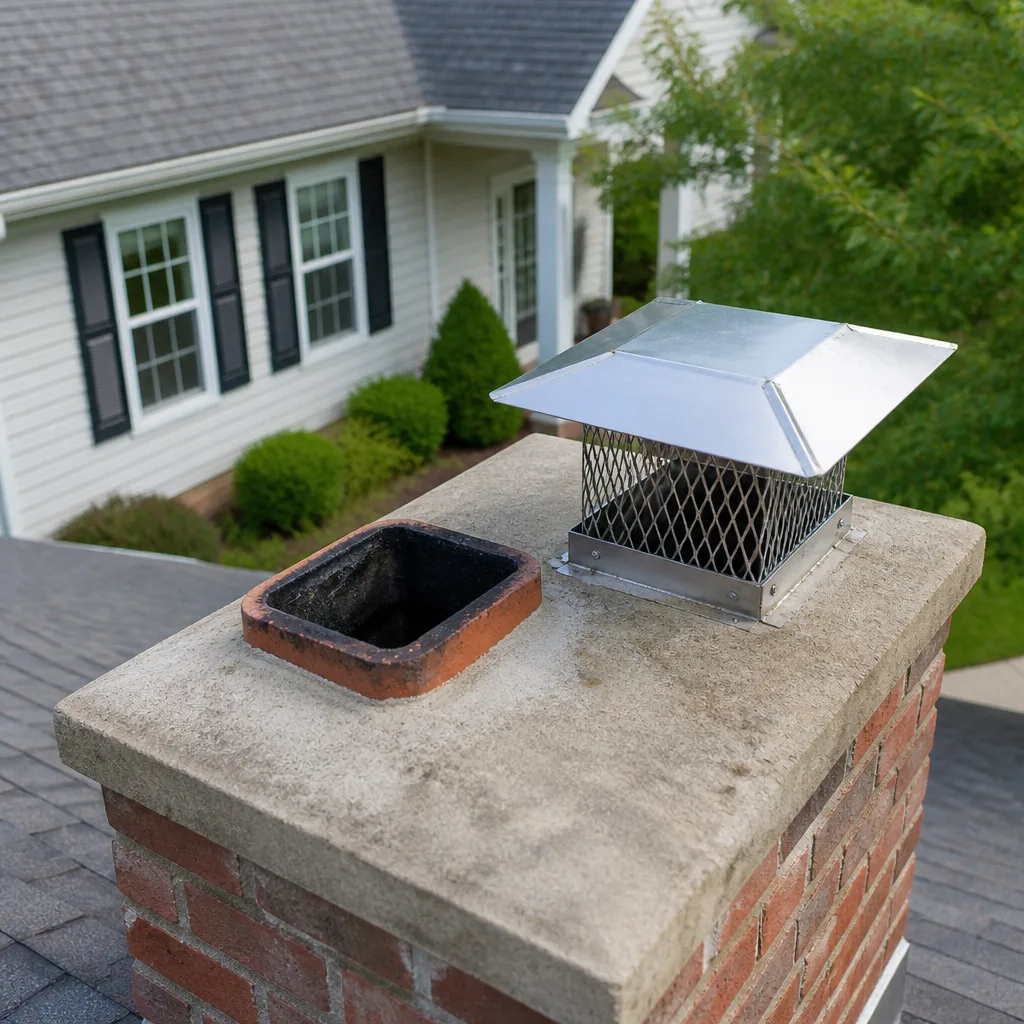 Sweep & inspection
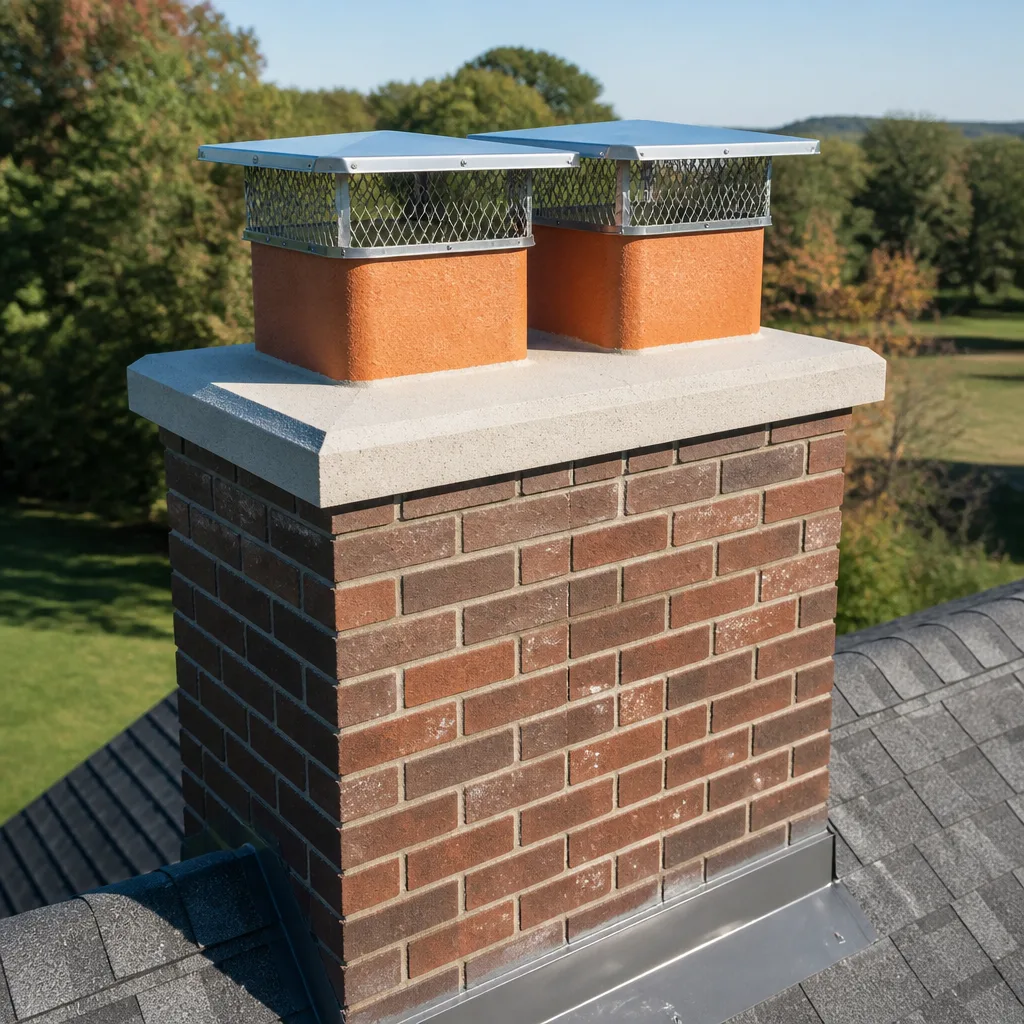 Caps & crowns
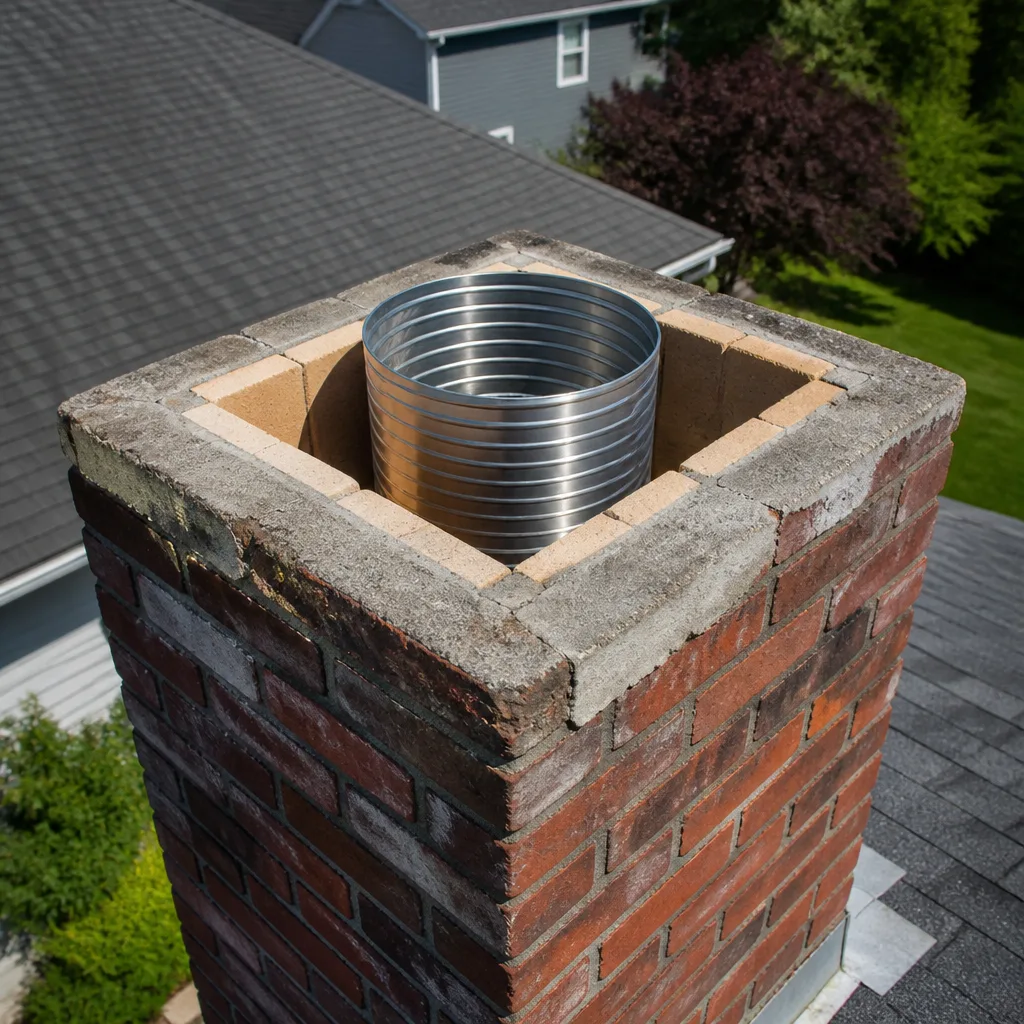 Flue relining
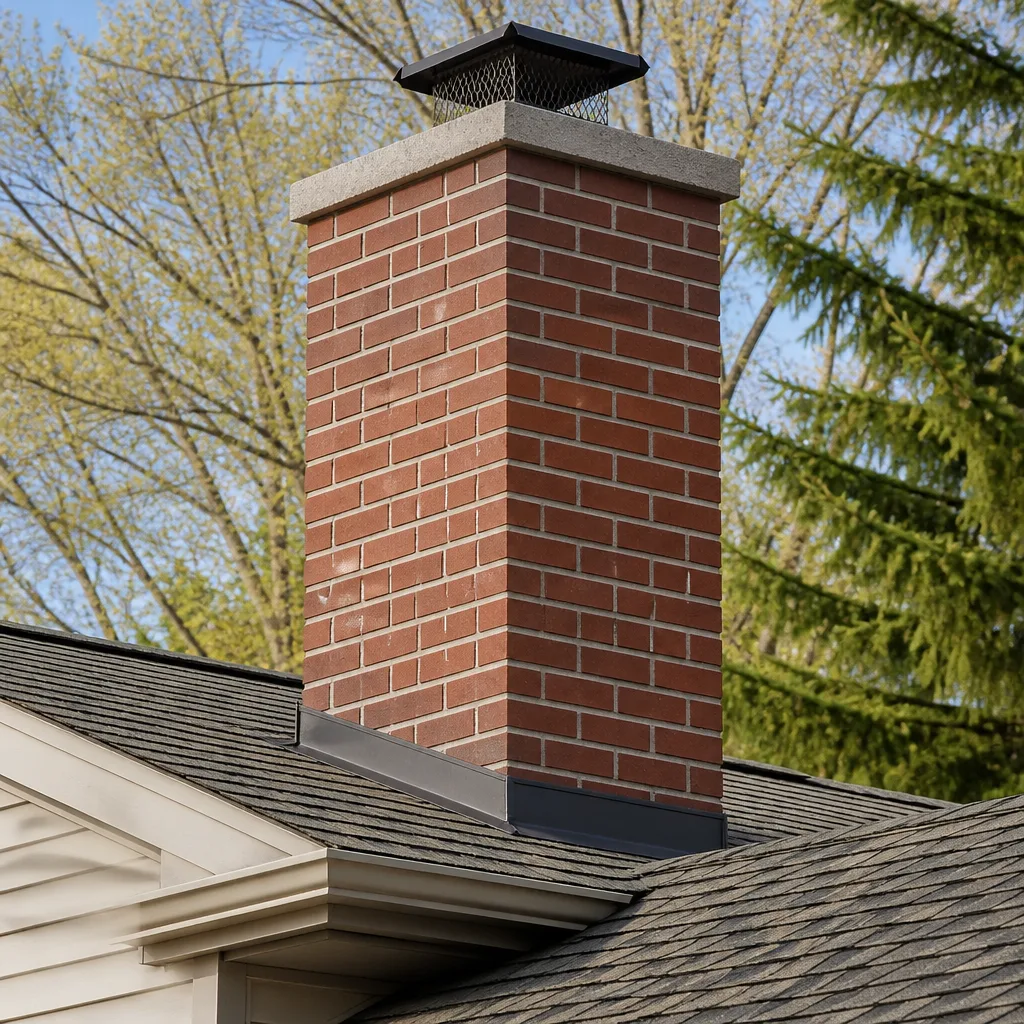 Masonry repair
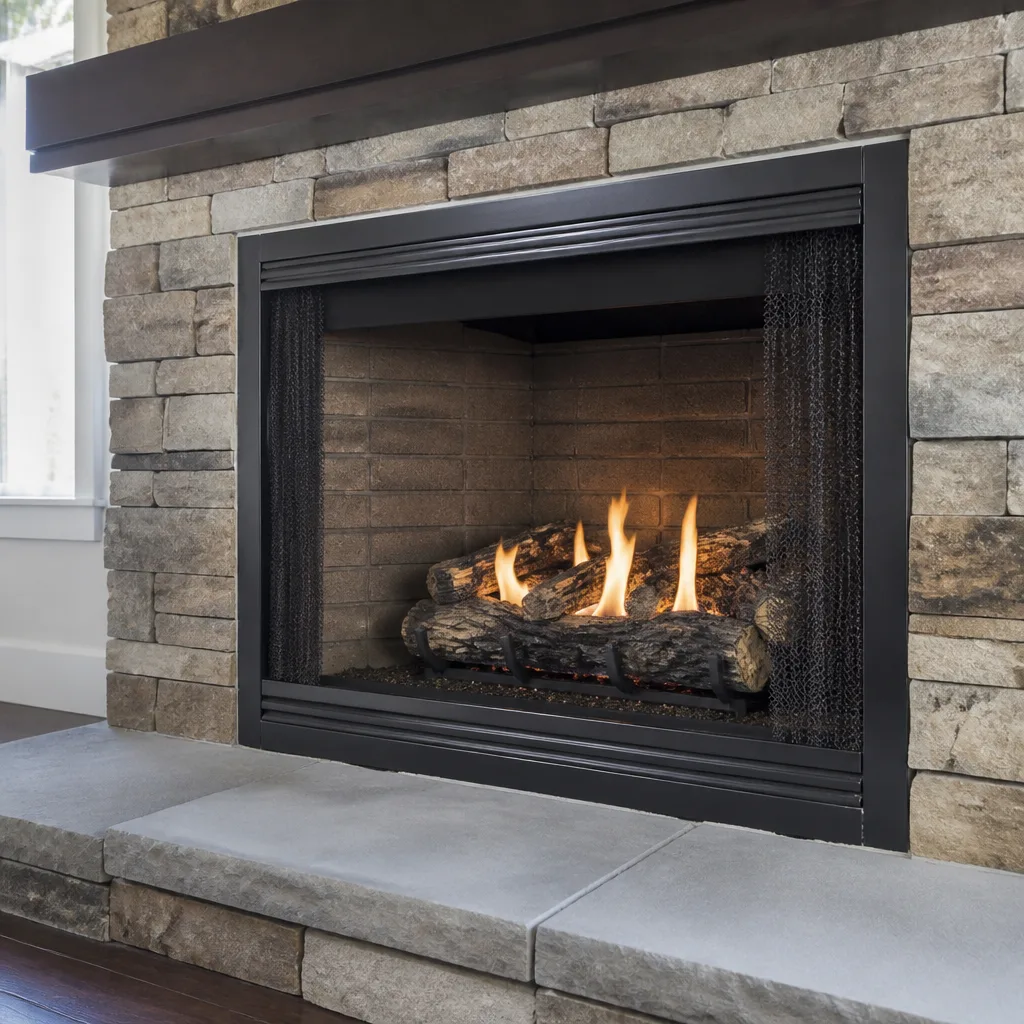 Gas fireplace service
Level 1 sweep and inspection to the NFPA 211 annual standard - flue, crown, cap, and flashing checked and photographed
Chimney sweep logs do not sweep chimneys. They loosen some creosote - which then falls where a brush and vacuum still have to collect it.
Choosing the Right Chimney Cleaning Brand: A Buyer’s Guide for Gainesville
If your chimney contractor can’t tell you the brand name of the liner system they’re installing, that’s worth pausing on. The same goes for the cap on top of your flue and the sealant going on your crown. Most homeowners in Gainesville never think to ask, and most generalist crews are happy to keep it that way. The difference between a builder-grade liner and a professional-grade one isn’t cosmetic. It’s measured in decades of service, and in how well the system holds up to North Central Florida’s humidity, summer downpours, and long stretches when the fireplace sits unused. This guide names the brands that specialist contractors actually work with, explains what separates them from hardware-store substitutes, and gives you the questions to ask before anyone touches your chimney.
Quick Answer
The right chimney brand depends on the component: flexible stainless liner systems like DuraFlex for relining, HeatShield for restoring a liner that doesn’t need full replacement, and Gelco or Famco for caps and covers. Professional-grade brands matter in Gainesville because the local climate stresses a chimney differently than a cold-climate market does, and the material quality behind the brand is what determines how long the system lasts.
Styles & brands we work with
- Sweep & inspection
- Caps & crowns
- Flue relining
- Masonry repair
- Gas fireplace service
Table of Contents
- Why the Brand on Your Chimney Matters More Than the Price
- Professional-Grade vs. Builder-Grade and Big-Box Products
- Liner Systems: Flexible Stainless, Cast-in-Place, and Rigid Tile
- Chimney Caps and Covers: What Holds Up in Gainesville
- Waterproofing and Crown Sealant: Brand and Application Both Count
- How to Ask a Contractor About Their Product Sourcing
- Why Gainesville’s Humidity Changes the Equation
- Common Mistakes to Avoid
- When to Call a Professional
- Frequently Asked Questions
Why the Brand on Your Chimney Matters More Than the Price
A chimney is one of the few parts of a house where the material inside the wall determines whether the system is safe to use. The flue carries hot gas and combustion byproducts out of the house. When the liner fails, those gases can reach the wood framing around the chimney. The brand name on the liner tells you what the manufacturer built it to do, how thick the stainless steel is, and what warranty backs it. That’s why the label matters.
Two liners can look identical from the outside and perform nothing alike. A flexible stainless liner from a professional-tier supplier is engineered to a specific alloy and wall thickness for chimney service. A cut-rate equivalent may use a thinner gauge or a lower alloy that corrodes faster under the acidic condensate a wood fire produces. In a market like Gainesville, where chimneys often go months without a fire and then run hard in the cooler evenings, that corrosion cycle is real.
The brands we work with exist for this reason. DuraFlex makes flexible liner systems that certified chimney specialists use across the country. HeatShield is a resurfacing system for restoring a liner in place. Gelco and Famco build caps and covers. Olympia Chimney and Copperfield supply trade-standard components. None of these are brands you’ll find on a shelf at a big-box store, and that’s the point. They’re sold through professional supply channels because they’re meant to be installed by someone trained on chimney systems, not chosen off a shelf by a homeowner guessing at the right size.
Here’s the practical takeaway: when a contractor quotes a reline, ask what brand and what alloy. If the answer is vague, the material is probably vague too. Our chimney repair work starts with the same question, because we can’t stand behind a system we can’t identify.
Professional-Grade vs. Builder-Grade and Big-Box Products
The gap between professional-grade and builder-grade chimney products shows up in three places: material thickness, warranty terms, and how the product is specified for a real chimney. Builder-grade means the cheapest component that met code at the time the house went up. Big-box means a one-size-fits-all part selected from a shelf. Neither is designed around your specific flue.
Professional-grade means the material is matched to the application. A flexible liner meant for a wood-burning fireplace is different from one meant for a gas insert, which runs cooler and produces more moisture. A cap sized for a round flue is different from one sized for a rectangular masonry crown. When a specialist specifies the part, the fit is intentional. When a generalist substitutes on margin, the fit is whatever was on the truck.
What the material difference actually means for you:
- Wall thickness and alloy: Professional liners use a specified stainless grade and wall thickness rated for chimney service. Thinner material corrodes sooner under the same conditions.
- Warranty backing: A manufacturer that sells through professional channels typically backs its product with a warranty that assumes professional installation. A hardware-store part rarely carries that.
- Fit and finish: Custom-fit caps and covers from Gelco or Famco close gaps a universal part leaves open, which matters when the goal is keeping rain and animals out.
- Installation method: The best product installed wrong fails. Cast-in-place and resurfacing systems are only as good as the prep and application behind them.
None of this means every job needs the premium component. A basic sweep and inspection doesn’t involve a branded product at all. But when your chimney does need a liner, a cap, or a crown repair, the question “what brand, and why that one” is the one that separates a specialist from a generalist.
Liner Systems: Flexible Stainless, Cast-in-Place, and Rigid Tile
If your chimney needs a new liner, you’re choosing among three broad approaches, and each one performs differently in Gainesville’s climate. Understanding the options helps you ask the right questions when a contractor quotes the work. This isn’t a job for a homeowner to attempt. Liner work involves confined access, cutting and fitting metal or pouring a castable material, and a mistake can leave a flammable gap between the flue and the framing.
Here’s how the three options compare:
- Flexible stainless steel liner. A corrugated stainless tube pulled down the existing flue. It’s the most common professional reline, and systems like DuraFlex are built specifically for this. Flexible stainless handles the expansion and contraction of a working chimney well and installs cleanly through offsets. It’s the standard choice for a wood-burning fireplace that needs a new flue.
- Cast-in-place liner. An insulating castable material poured or pumped around a form to create a new flue inside the old chimney. It works well when the existing masonry is sound but the flue is irregular or the chimney has multiple flues. The application method matters as much as the material, so the installer’s skill drives the result.
- Rigid tile liner. The traditional masonry approach, using clay flue tiles stacked and mortared. It’s durable when new and properly installed, but older tile liners in Gainesville homes are the ones most likely to have cracked joints after years of heating and cooling. A camera inspection is the only way to see the condition of the joints inside.
There’s a fourth option worth naming: liner restoration. HeatShield resurfacing rebuilds the interior of an existing liner in place rather than replacing it. When a liner is deteriorated but still structurally sound, restoration can extend its life without the cost of a full reline. Our team works with HeatShield because it gives homeowners a middle path when the inspection shows the liner doesn’t need to come out. Not every liner qualifies, and the inspection is what tells you which path applies.
Chimney Caps and Covers: What Holds Up in Gainesville
A chimney cap is the first line of defense against water, animals, and downdrafts, and it’s the component homeowners notice least. In Gainesville, a cap has to handle intense summer sun, heavy seasonal rain, and the occasional strong storm. A cheap cap that rusts through in a few years does nothing except create a leak path onto the crown.
When we fit caps, we source Gelco and Famco because they let us match the cap to the actual flue and crown rather than forcing a universal part into place. Here’s what to weigh in the material choice:
- UV exposure: North Central Florida gets strong sun year-round. Powder-coated and stainless caps hold their finish far longer than thin galvanized steel that chalks and rusts.
- Rain and wind: A cap needs a solid top plate and a screened opening sized to the flue. Loose or undersized caps rattle in wind and let water in at the seams.
- Animal exclusion: A properly fitted screen keeps birds, squirrels, and raccoons out of the flue. A universal screen with gaps doesn’t.
- Fit to the crown: A custom-fit cover seals against the crown. A one-size cap sits on top and lets water run behind it.
The question to ask a contractor is simple: is this cap sized for my flue, or is it a universal part? If you get a shrug, that tells you something. A chimney cap is a small piece of hardware with a big job, and the brand and fit behind it decide how well it does that job. For a broader look at what a full service visit covers, our chimney sweep page walks through the inspection-to-sweep process.
Waterproofing and Crown Sealant: Brand and Application Both Count
Water does more damage to Gainesville chimneys than fire does. The crown, the masonry, and the mortar joints all take rain through the wet season, and a small crack becomes a saturated chimney that breaks down from the inside. Waterproofing is the fix, but here the product is only half the story. The application method is the other half.
A breathable masonry water repellent is the right product for most chimneys. It sheds water at the surface while letting moisture vapor escape from inside the masonry. A film-forming sealer that traps moisture in can do more harm than good, because it holds water against the brick and mortar instead of letting it dry. The brand matters because the chemistry has to be right for masonry. The application matters because a thin or uneven coat leaves the chimney exposed exactly where it needs protection.
For crown repair, sealant fills the cracks and the crown rebuilds the top surface. A crown is meant to shed water off the top of the chimney, so a flexible sealant designed for masonry movement holds up better than a rigid patch that cracks again after a season of temperature swings. The sequence matters too: the crown gets addressed before waterproofing goes on, so water isn’t trapped under a fresh coat. When you get a quote for waterproofing, ask what product and whether the crown repair comes first. That answer tells you whether the contractor is thinking about the whole system or selling a spray-and-go.
How to Ask a Contractor About Their Product Sourcing
The fastest way to tell a chimney specialist from a generalist is to ask about the brands they install. A specialist can name them, explain why, and tell you how each one fits your specific chimney. A generalist either can’t name them or gives you a brand you’d recognize from the paint aisle. You don’t need to become a chimney expert to have this conversation. You just need to ask a few direct questions and listen to the answers.
Here are the questions that reveal whether a contractor is working with professional-grade suppliers:
- What brand of liner do you install, and why that one? A specialist names a professional-tier system and connects it to your chimney’s needs. A vague answer is usually a substitution waiting to happen.
- Can you show me the label or spec sheet before installation? Professional-grade products come with documentation. A contractor who can’t produce it may not be using it.
- Will you camera-inspect the flue and show me what you see? Sourcing questions aside, you should never buy a liner on a verbal hunch. The inspection is what justifies the recommendation.
- Who installs the work, and are they trained on chimney systems? A rotating generalist crew handles many trades. A chimney-dedicated technician handles one.
- What’s the warranty on the product and the installation? A professional-grade part backed by a manufacturer is a different proposition than a branded box with no path to a claim.
Run these questions on any quote, whether it’s for a sweep, a cap, or a full reline. If two contractors give you the same answer, that’s fine. If one can’t answer and the other can, you’ve learned what you needed to. The point isn’t brand loyalty for its own sake. It’s that a product name you can check is a sign the contractor isn’t buying on margin. If you want to start from a clean inspection, our team at Gainesville Chimney Cleaning can take a look before anyone quotes a repair.
Why Gainesville’s Humidity Changes the Equation
Florida’s humidity stresses a chimney in ways a northern climate simply doesn’t, and it changes which products make sense. In a cold market, the chimney runs hard all winter and dries itself out through consistent use. In Gainesville, a fireplace may see steady use in the cooler months and sit idle for the rest of the year. That low-use pattern lets moisture linger, and moisture is what breaks down masonry, rusts thin metal, and feeds the creosote that can ignite.
Creosote deserves a plain explanation. When wood burns, the smoke carries unburned compounds that condense on the inside of the flue, and that buildup is what a sweep removes. Left long enough, and exposed to a hot fire, it can catch. That’s the chimney fire risk, and it’s real whether or not you can see it from the hearth. The flip side is moisture: a chimney that stays damp from rain or a failed crown breaks down faster in a humid climate. Both problems point to the same answer: an annual inspection and sweep, done by someone who knows the local conditions.
Low-use fireplaces also sit with air sitting inside the flue. If the crown is cracked or the cap is missing, rain gets in and has nowhere to go. That’s why waterproofing and cap fit matter more here than the climate of a cold-weather market would suggest. For a sense of the local setting, our Gainesville page covers how we approach service across the area, from older masonry chimneys to newer gas inserts.
We’ve seen how the pattern plays out in neighborhoods where homes sit on shaded lots with mature tree cover, where the chimney stays damp longer. The product choice has to account for that.
Common Mistakes to Avoid
- Hiring a generalist who “also does chimneys.” A handyman who handles gutters, roofing, and chimneys has no product sourcing relationship with a chimney supplier, so the parts are whatever the local hardware store had. Chimney work is a specialty, and the specialist is the one who can name the brand.
- Skipping the camera inspection and buying on a verbal recommendation. A quote without a look inside the flue is a guess. The inspection is what tells you whether you need a sweep, a cap, a restoration, or a full reline, and you should see the photos before you approve anything.
- Choosing a liner by price alone. A lower quote often reflects a thinner alloy or a lower grade of stainless, and that difference shows up in a few years. Ask what brand and what alloy before you compare numbers.
- Letting a universal cap ride on a fitted flue. A one-size cap that doesn’t seal against the crown lets water behind it. Custom-fit caps from a brand like Gelco or Famco solve that, and the fit is the point.
- Waterproofing over a cracked crown. Sealant sprayed on before the crown is repaired traps water against the masonry. The crown work comes first, then the waterproofing.
- Deferring service year after year because the fireplace “still works.” A chimney that drafts fine can still carry a creosote buildup or a cracked liner joint you can’t see. Working isn’t the same as safe.
- Assuming a mild winter means less maintenance. Gainesville’s fireplace season is real, and the humidity in between stresses the system more than a hard freeze would. The annual inspection still matters.
When to Call a Professional
Call a professional when you can’t remember the last time the chimney was inspected, when you notice a draft or a smoky smell that wasn’t there before, or when you see visible damage to the cap, crown, or masonry. Call when you’ve just moved into a home and don’t know the chimney’s history, when an animal gets into the flue, or when you’re getting a quote for a liner and want a second opinion on whether it’s necessary. Call when the fireplace has sat unused for a season or two and you’re ready to use it again. Any of these is a reasonable time to pick up the phone. Gainesville Chimney Cleaning offers free estimates in Gainesville – call (844) 834-5386. We answer 24/7. Fast dispatch from 7am to 7pm, Sunday through Friday.
Frequently Asked Questions
The right brand depends on what your chimney needs, but for a full reline, a flexible stainless system like DuraFlex is the professional standard because it’s built to a specified alloy and wall thickness for chimney service. If the inspection shows a liner that’s deteriorated but still structurally sound, HeatShield resurfacing can restore it in place and avoid a full reline. The inspection is what tells you which path applies, and no honest contractor should recommend a liner without looking first.
Only a camera inspection can answer that for your chimney. A liner needs replacement when it’s cracked, deteriorated, or improperly sized for the appliance, and those conditions aren’t visible from the hearth. A clay tile liner with cracked joints, or a liner that’s pulling away from the chimney, leaves a path for hot gas or creosote to reach the framing. When the inspection shows a sound liner, restoration or a sweep is often enough. You should see the camera photos yourself before approving any liner work. Call (844) 834-5386 for a free estimate and a look inside your flue.
It matters because the cap’s job is to shed rain and keep animals out, and a custom-fit cap from a supplier like Gelco or Famco seals against the crown in a way a universal hardware-store cap doesn’t. In Gainesville’s wet season, a cap that doesn’t fit leaves a gap where water runs onto the crown and behind the masonry. The fit and the material are what determine whether the cap does its job for years or rusts through in a few.
A sweep removes creosote and debris from the flue, and an inspection evaluates the condition of the whole system, including the liner, cap, crown, and firebox. In practice, they go together: the inspection is what tells a technician where to focus the sweep and whether any repair is needed. A visit that only sweeps without inspecting misses the problems that aren’t in the flue.
Once a year is the standard for a wood-burning fireplace in use, and that’s a reasonable starting point for most Gainesville homes. A gas insert and a wood stove have different needs, and a home that burns heavily may need attention sooner. The annual visit is also the chance to catch a cracked crown or a loose cap before it becomes a bigger repair, so the schedule doubles as preventive maintenance.
Creosote keeps building up, moisture keeps working on the masonry, and small problems like a hairline crown crack or a loose cap quietly get worse. The fire risk and the carbon monoxide risk both come from conditions you can’t see from the hearth. Skipping a year doesn’t usually cause immediate trouble, and a good technician will tell you plainly when work can safely wait. But the annual inspection is how you know which category you’re in. Call (844) 834-5386 for a free estimate.
The Bottom Line
The brand on your chimney system is a shorthand for how it was made and how long it will last. Professional-grade components like DuraFlex liners, HeatShield restoration, and Gelco or Famco caps exist because they’re built to a standard a generalist doesn’t buy. Gainesville’s humidity and low-use pattern stress a chimney in specific ways, and the product choice has to match. Ask what brand, ask for the inspection photos, and ask whether the recommendation fits your flue. A specialist can answer all three. A generalist usually can’t. If you’re ready to start with a straight answer and a free estimate, call (844) 834-5386. We answer 24/7. Fast dispatch from 7am to 7pm, Sunday through Friday.
Written by the team at Gainesville Chimney Cleaning.
See the difference
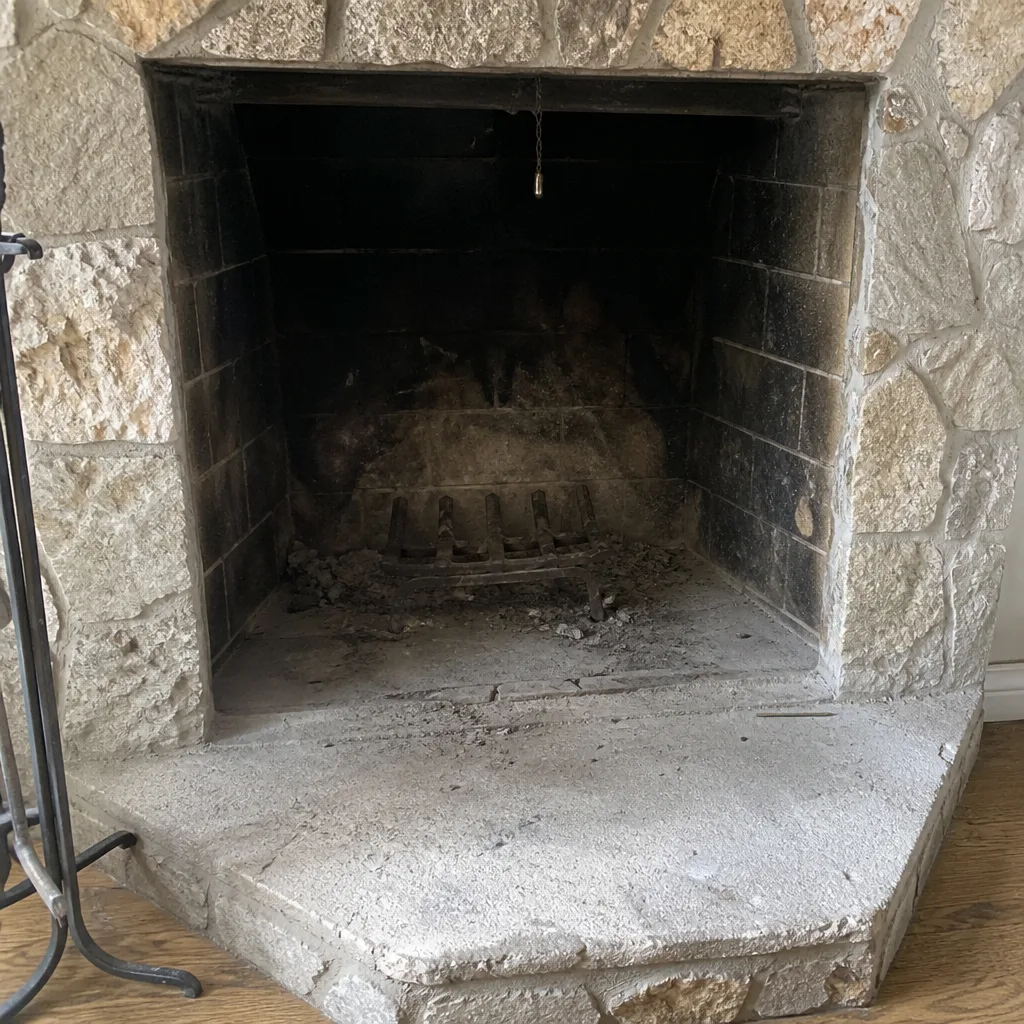
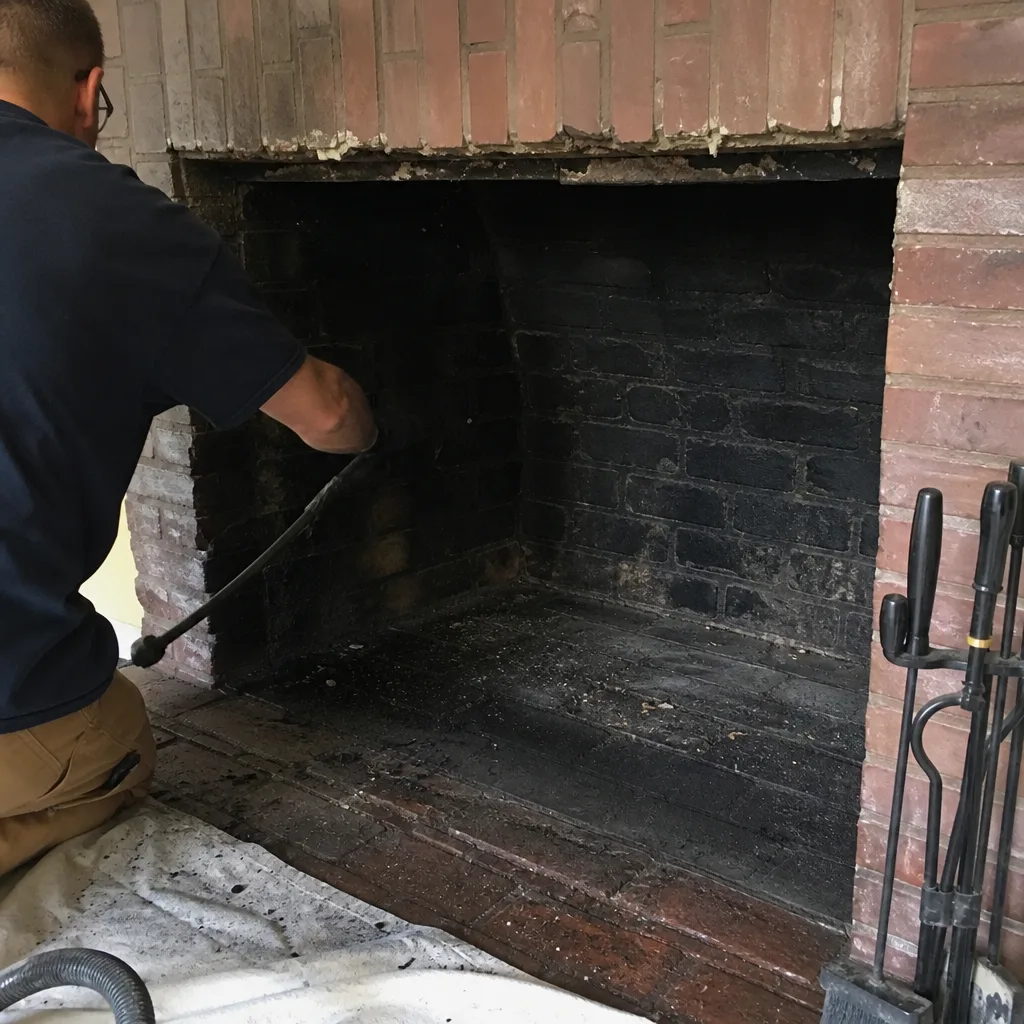 Before
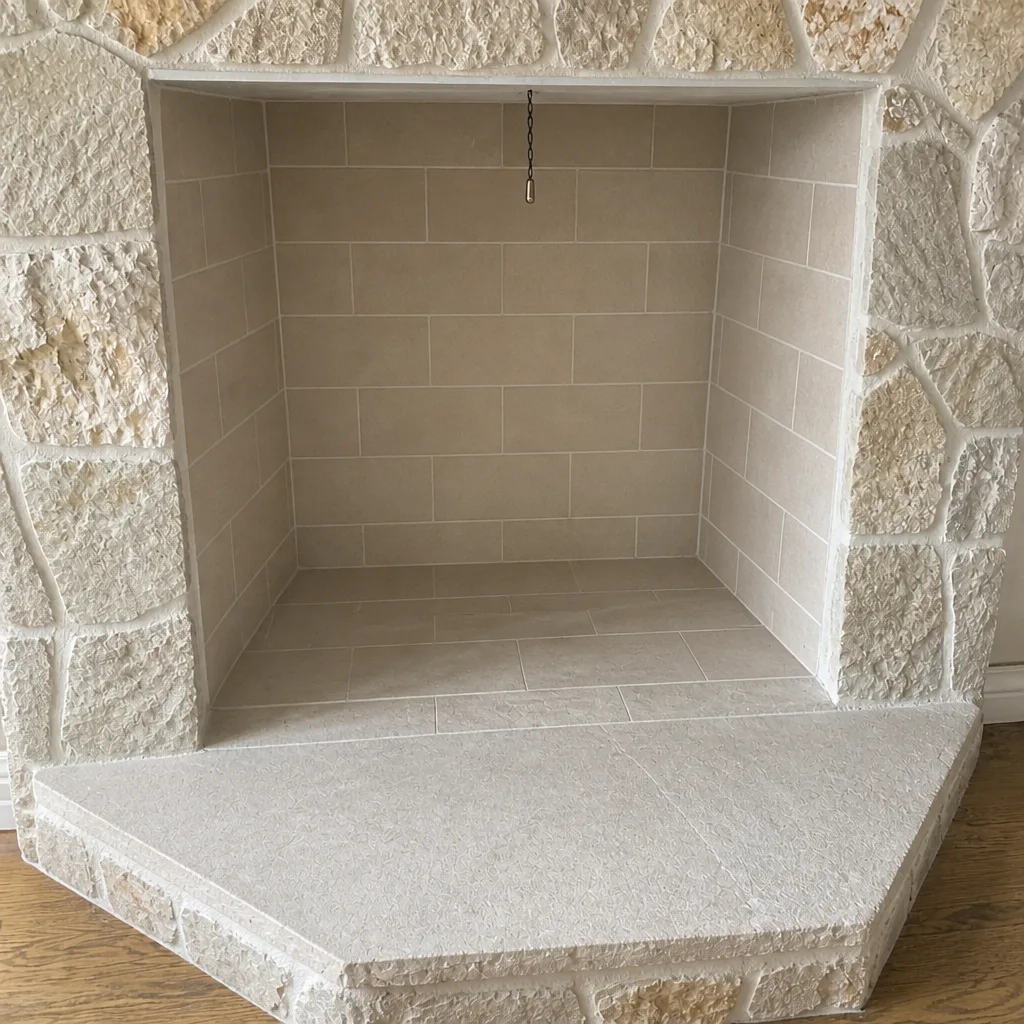
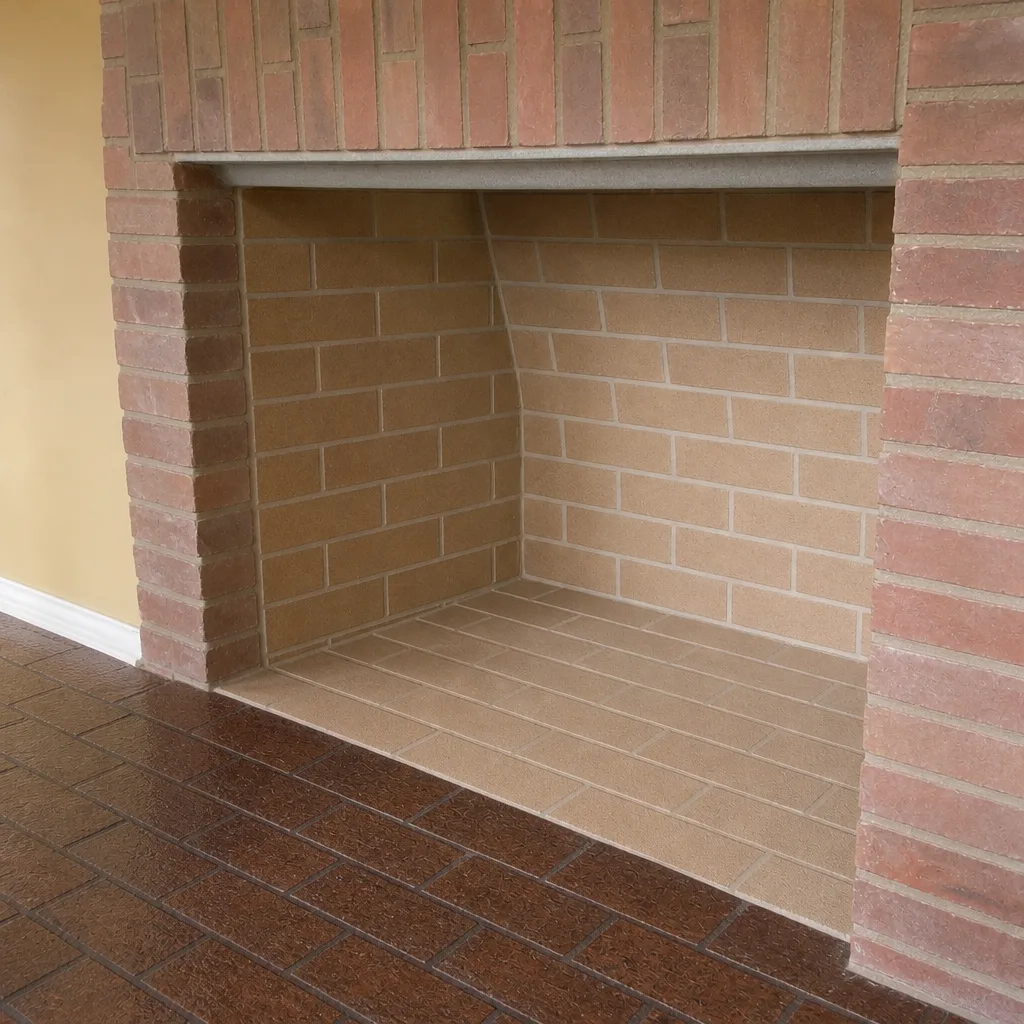 After
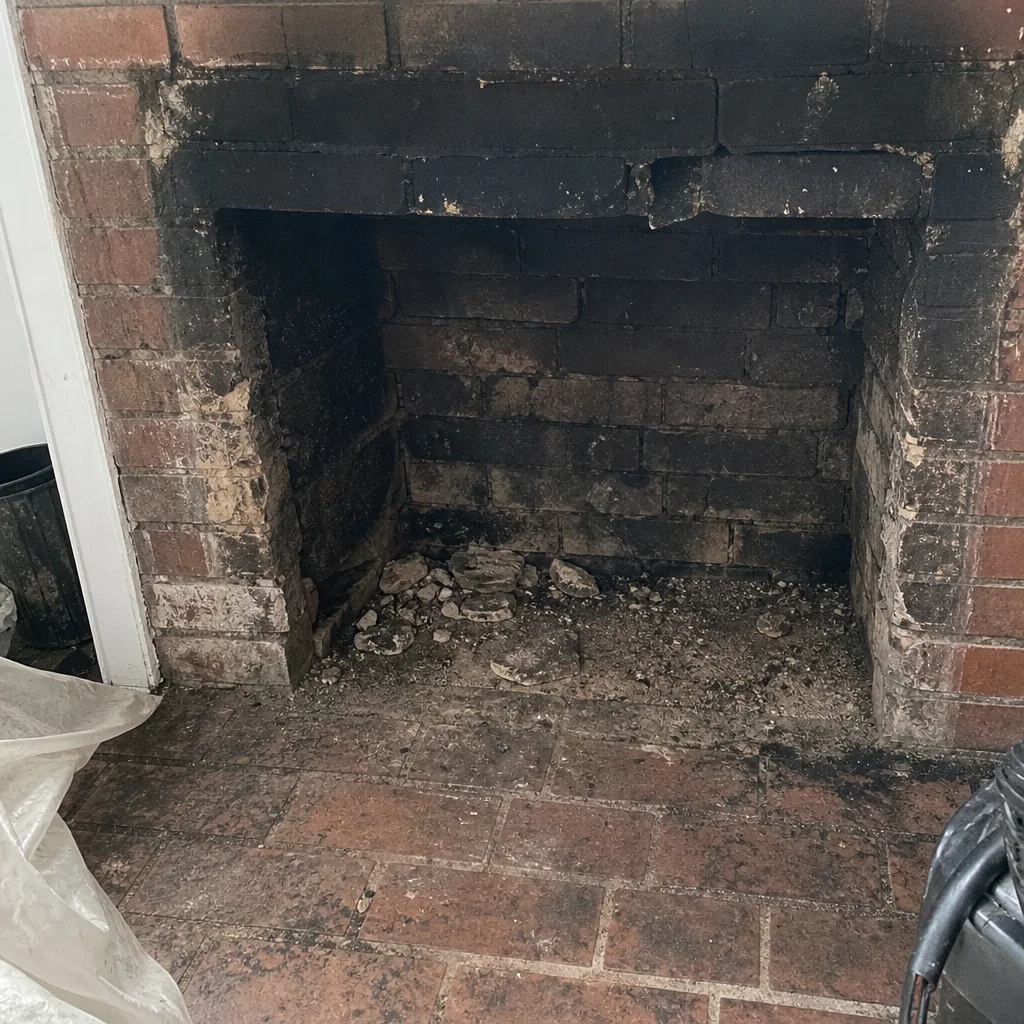 Before
 After
 Before
 After