
Last updated November 15, 2026
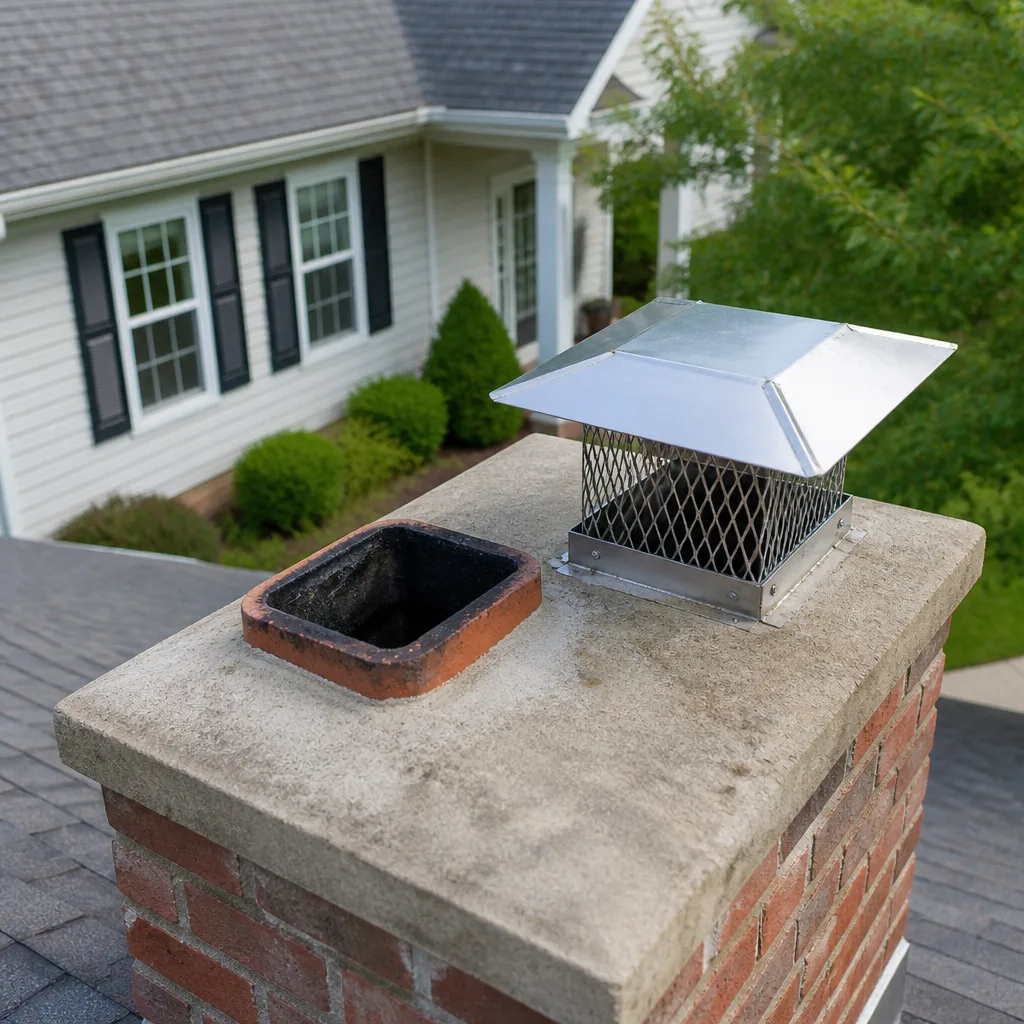 Sweep & inspection
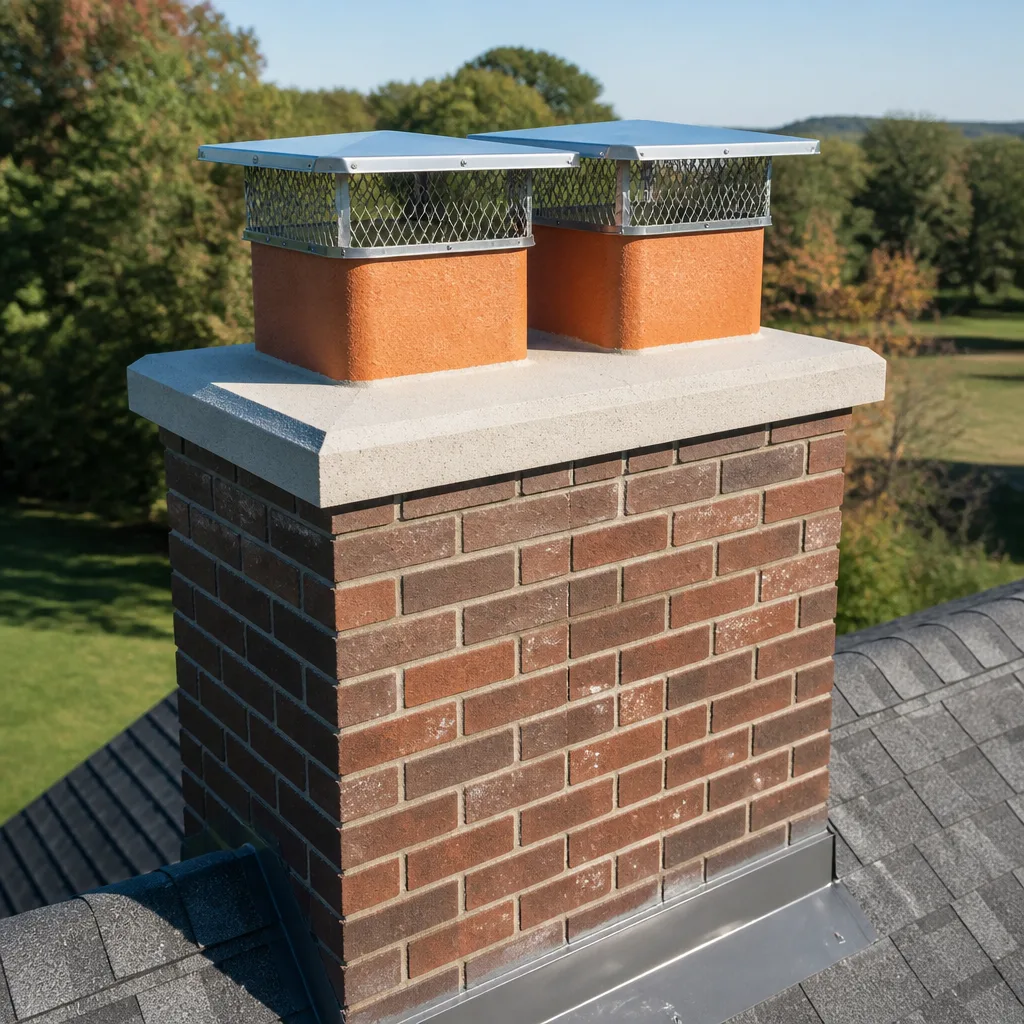 Caps & crowns
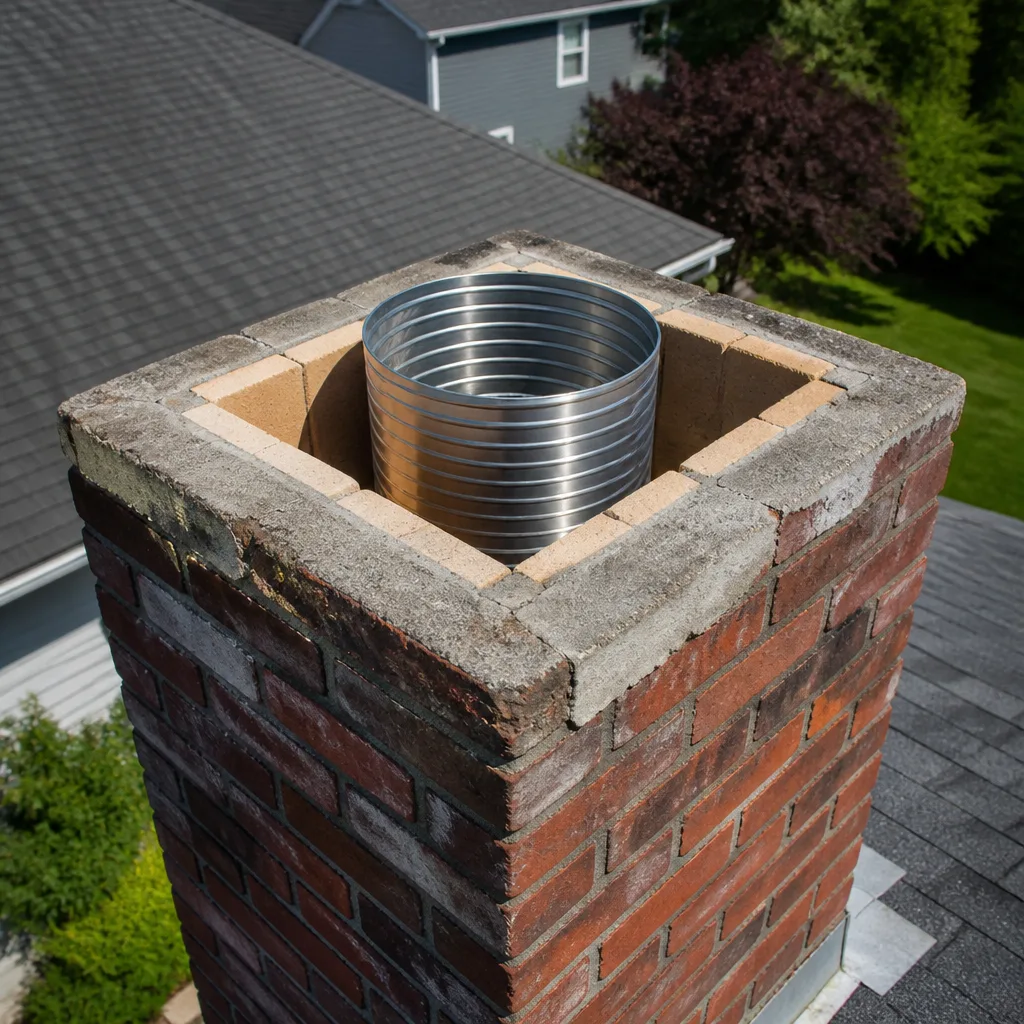 Flue relining
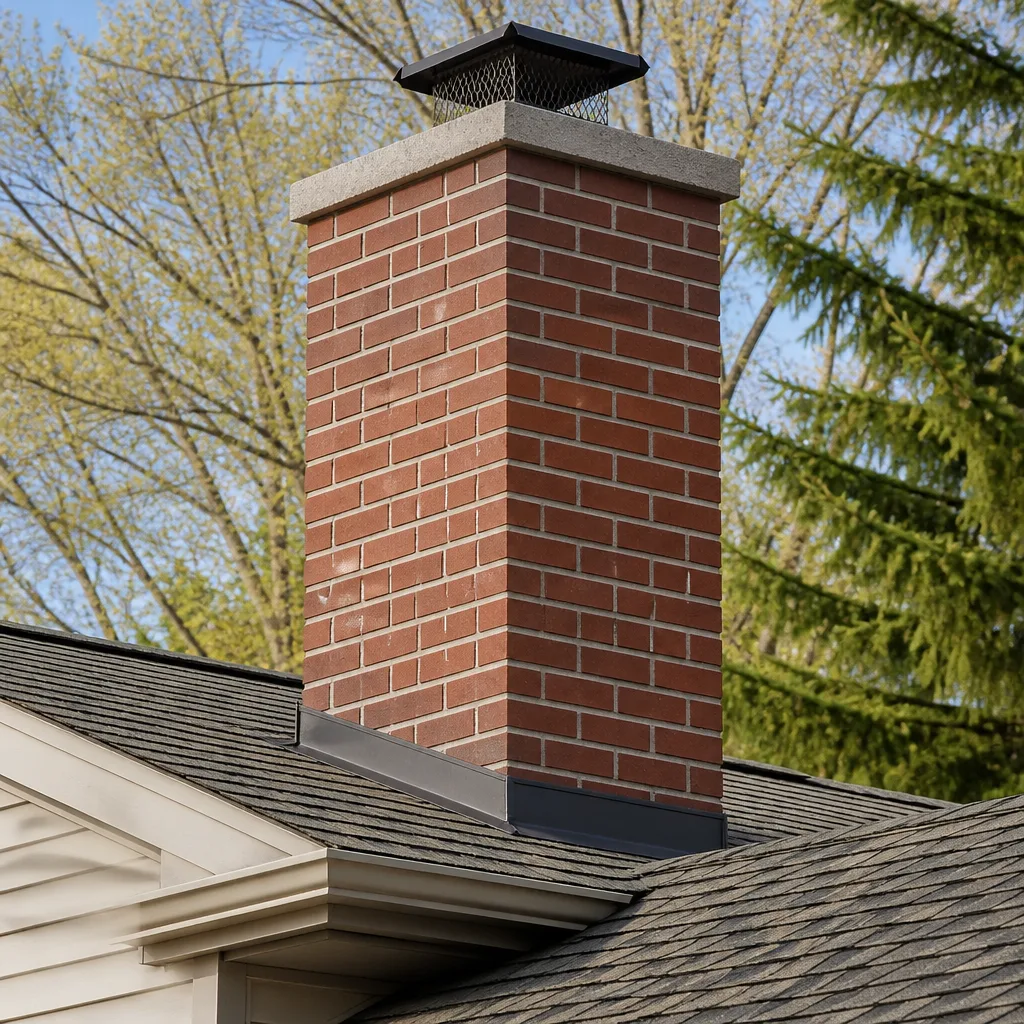 Masonry repair
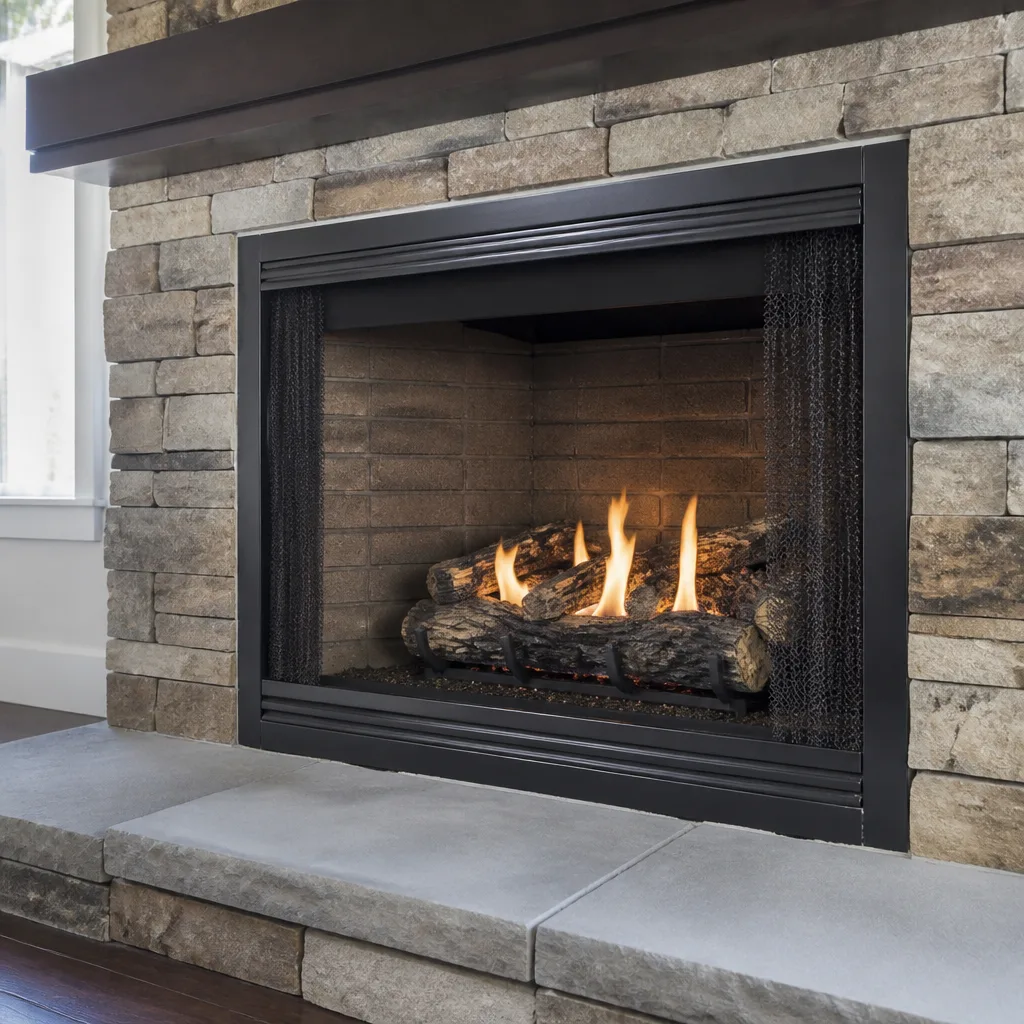 Gas fireplace service
Level 1 sweep and inspection to the NFPA 211 annual standard - flue, crown, cap, and flashing checked and photographed
Chimney sweep logs do not sweep chimneys. They loosen some creosote - which then falls where a brush and vacuum still have to collect it.
Chimney Sweep Maintenance Checklist for Gainesville Homeowners
Every “annual chimney checklist” online assumes you live somewhere with a November through March burning season. Gainesville’s burning window is closer to eight weeks, which changes everything about timing your maintenance. If you follow a schedule written for New England, you’ll sweep at the wrong moment, miss the storm damage that actually matters here, and ignore the moisture that does more harm to a Florida chimney than any fire ever will. This guide lays out a checklist built around our real calendar: pre-season inspection in October, post-season sweep in March, and a summer moisture check when the rains settle in. You’ll learn what to inspect yourself, what needs a camera, and how gas inserts and wood-burning fireplaces differ.
Quick Answer
A Gainesville chimney maintenance checklist should run on three anchors: a professional inspection in October before the burning season, a sweep in March after your last fire, and a visual moisture and storm-damage check in mid-summer. Between visits, homeowners should check the cap, crown, damper, and look for animal intrusion after storms. Wood-burning fireplaces need annual sweeping; gas inserts need less frequent sweeping but yearly inspection of the venting and connections.
Styles & brands we work with
- Sweep & inspection
- Caps & crowns
- Flue relining
- Masonry repair
- Gas fireplace service
Table of Contents
- Why a Florida Chimney Checklist Looks Different
- The Gainesville Chimney Calendar: October, March, July
- Storm Season Checklist: Cap, Crown, and Animal Intrusion
- The Mid-Summer Moisture Check
- What You Can Check Yourself vs. What Needs a Camera
- Masonry and Liner Checks After Cold Snaps
- Gas Inserts vs. Wood-Burning Fireplaces: Two Different Checklists
- Common Mistakes to Avoid
Why a Florida Chimney Checklist Looks Different
Chimneys in four-season climates get a lot of their damage from the freeze-thaw cycle: water works into masonry, freezes overnight, expands, and cracks the brick from the inside. Gainesville rarely sees that pattern. Our damage driver is different. It’s heat, humidity, and months of driving rain. Summer afternoons in Gainesville push moisture against the chimney from every direction, and a masonry stack that doesn’t shed water properly will soak it up instead.
The result is that Gainesville chimneys tend to fail in ways that surprise people who’ve only read northern-climate advice. You’ll see efflorescence (that white chalky staining on brick) telling you moisture is moving through the masonry. You’ll see rusted dampers and rusted caps. You’ll see cracked crowns after a summer storm. And you’ll see animals – birds, squirrels, sometimes raccoons – that have moved in during the off-season because the chimney looked like a good home.
The other thing that’s different is the burning season itself. Real fireplace weather in Gainesville is short. Most locals light fires from around late November through early February, and the rest of the year the chimney sits idle. That idle time is exactly when a lot of the damage happens, which is why the maintenance schedule needs to cover the quiet months as carefully as the burning ones.
We’ve worked on enough Gainesville chimneys to see the pattern clearly: a chimney that gets checked in October and March survives the summer far better than one that gets attention only when someone smells smoke backing up into the living room. Prevention is the whole game here.
The Gainesville Chimney Calendar: October, March, July
A useful chimney maintenance checklist isn’t a list of tasks with no dates attached. It’s a calendar. For Gainesville homeowners, three anchor months do most of the work.
October: Pre-Season Inspection
This is the most important appointment of the year. Before you light your first fire, a professional inspection catches whatever the summer did to your chimney. The inspection covers the firebox, damper, smoke chamber, flue lining, cap, crown, and exterior masonry. If the chimney is overdue for a sweep, this is when you schedule that too, so the flue is clean before the season starts.
October gives you a buffer. If repairs are needed, they can be done before the burning season, when a sweep and a repair can often be handled together. Waiting until November means you may be waiting on parts, and nobody wants to be stuck with a fireplace they can’t use because of a cracked crown.
March: Post-Season Sweep
After your last fire, usually in March, you want to sweep. This clears creosote and soot that accumulated during the season, and it also gives you a fresh look at the lining after the most demanding use of the year. Creosote left sitting in the flue all summer is creosote that thickens and hardens, and hardened creosote is harder to remove cleanly.
Getting the chimney sweep done in March also means the flue is clean and clear going into storm season, which matters more than most people realize.
July: Mid-Summer Moisture Check
Mid-summer is peak rain season in Gainesville, so it’s the right time to look at how your chimney is handling water. This is a visual check, not a full inspection. Look at the cap, look at the crown for cracks, look for staining or efflorescence on the exterior, and look around the chimney at the roofline for signs of leaks. If something looks off, call for a professional look before fall.
Three appointments a year sounds like a lot. In practice, the October inspection is the substantive one, the March sweep is routine, and the July check is something you can often do yourself with a pair of binoculars and a walk around the house. The Gainesville Chimney Cleaning team can guide you on what to look for.
Storm Season Checklist: Cap, Crown, and Animal Intrusion
Florida’s storm season runs through the summer into fall, and it’s the single biggest external threat to a Gainesville chimney. Wind-driven rain, falling limbs, and the sheer volume of afternoon thunderstorms all take a toll. Here’s what a post-storm checklist should cover.
Cap Integrity
Your cap is the first line of defense. A chimney cap protects the flue from rain, keeps birds and squirrels out, and – if it’s a spark-arrestor style – keeps embers from landing on the roof. After a storm, check that the cap is still attached and hasn’t been dented, dislodged, or blown off entirely. A missing cap is an open invitation to water and wildlife.
When a cap needs to be replaced, fit matters. A hardware-store cap that’s “close enough” will let water in around the edges and won’t hold up to the wind. We fit Gelco and Famco caps and covers because they’re made to be sized to the flue, not to the nearest standard size.
Crown Condition
The crown is the concrete or mortar top surface of the masonry chimney, and it’s designed to shed water away from the stack. Cracks in the crown are the single most common moisture entry point on a Gainesville chimney. After a storm, look for visible cracks, missing chunks, or a crown that’s separating from the flue.
Animal Intrusion
Every summer, Gainesville chimneys become nesting sites. Squirrels, birds, and raccoons all find their way in, usually through a missing or damaged cap or through a crack in the crown or flashing. Signs to look for: scratching or chirping sounds from the flue, nesting material visible at the top of the firebox, or an odd smell when you open the damper.
Screen and Damper Condition
- Check that the spark screen is intact and still attached to the cap
- Open the damper and confirm it moves freely without a grinding or scraping sound
- Look for rust on the damper – a rusty damper usually means water is getting in from above
- Clear any debris (leaves, twigs, bird nests) from the smoke shelf
If any of these checks turn up something, don’t wait until October. Call us and we’ll tell you whether it’s urgent or whether it can wait for your pre-season appointment. That’s the whole point of working with a chimney-dedicated company: you’re not getting a generalist’s guess.
The Mid-Summer Moisture Check
Gainesville’s summer rain is relentless, and the chimney takes the brunt of it. The mid-summer moisture check is the piece most homeowners skip, and it’s the one that prevents the expensive repairs. Here’s what to look at in July or August.
Exterior Masonry
Walk around the outside of the chimney and look at the brick. White, chalky staining (efflorescence) means moisture is moving through the masonry and evaporating out. Darker staining can mean water is getting into the brick and not drying out. Crumbling mortar joints are a sign the mortar has given up, which lets even more water in.
Flashing
Flashing is the metal that seals the gap where the chimney meets the roof. It’s the most common leak point on any chimney, and in Gainesville, summer heat and rain cycles push it hard. Look for lifted edges, gaps, or rust. A failing flashing can leak into the attic or ceiling before you ever notice it in the firebox.
Crown and Cap (Again)
Yes, check them again. A crown that was fine in March may not be fine after a summer of storms. The cap too. This is a two-minute check with binoculars from the ground, and it saves you the headache of discovering a problem in October.
Interior Signs of Moisture
Inside, look for water stains on the firebox walls, a rusted damper, or a musty smell when you open the damper. Any of these means water is getting in somewhere, and you want a professional to trace it before it gets worse.
If the moisture check turns up anything, that’s a job for chimney repair, not a shop vac and a tube of caulk. Small masonry repairs today are far cheaper than structural repairs later, and a trained eye can tell the difference.
What You Can Check Yourself vs. What Needs a Camera
There’s a real line between what a homeowner can reasonably check and what needs a trained technician with a camera. Knowing that line keeps you safe and honest with yourself about what you’re seeing.
What You Can Check Yourself
- Cap: Look with binoculars from the ground. Is it attached? Is the screen intact?
- Crown: Same. Visible cracks or missing chunks are a call-the-professional signal.
- Exterior masonry: White staining, crumbling mortar, obvious cracks.
- Damper: Open and close it. Does it move freely? Is it rusted?
- Firebox: Look for cracks in the firebrick, loose mortar, or water stains.
- Smoke and draft: When you light a fire, does smoke go up or does it back into the room? Backdraft is a sign of a problem.
- Animal signs: Scratching, chirping, nesting material at the firebox.
What Needs a Camera and a Trained Eye
- Flue lining: You can’t see the inside of a flue from the firebox. A camera inspection shows cracks, gaps, and the condition of the liner, which is where chimney fires start.
- Creosote level: The difference between “needs sweeping” and “sweep immediately” is a trained judgment.
- Smoke chamber: This offset area above the damper is a common creosote trap and can’t be seen without a camera.
- Hidden masonry damage: Cracks behind the visible surface, gaps in the liner, and structural issues that don’t show up on the surface.
We do camera inspections as part of our service because “I looked at it and it seemed fine” isn’t a safety check. If a liner is cracked, you can’t see it from the living room, and that’s the whole reason the camera exists. We’re happy to show you the footage and explain what we’re seeing, so you can make an informed decision about what does and doesn’t need doing.
Masonry and Liner Checks After Cold Snaps
Gainesville’s winters are mild, but they’re not nonexistent, and a rare cold snap does more damage than most people expect. The pattern is called spalling: water gets into the masonry, expands as it freezes, and pushes off the face of the brick. Even a couple of hard freezes in a season can start the process on a chimney that’s already holding moisture.
That’s why the October inspection matters. It’s the moment to catch spalling early, before a small flake of brick becomes a crumbling chimney face. Here’s what the inspection should cover.
- Brick face condition: Look for flaking, crumbling, or bricks that are losing their surface. This is early spalling.
- Mortar joints: Recessed, crumbling, or missing mortar means water is getting into the joints. Repointing is a straightforward repair if it’s caught early.
- Crown integrity: A cracked crown lets water into the masonry below, and that’s what drives spalling.
- Liner condition: A camera inspection shows whether the liner is intact. A cracked liner means heat and creosote can reach the masonry, which is a fire risk and a structural risk.
- Flue sizing: This is subtler, but worth checking. A flue that’s too large for the fireplace draws poorly and builds creosote faster. A trained technician can tell you whether your flue is sized correctly for your appliance.
If the liner turns out to be damaged, you have options. Full replacement with a DuraFlex flexible liner system is the standard fix, and it’s what most certified chimney specialists would recommend. For some liners, HeatShield resurfacing can restore the liner without full replacement, which extends its life and saves you the cost of a full reline. We work with HeatShield because most local competitors don’t offer liner restoration as an option, and we think Gainesville homeowners deserve to know it exists.
For the exterior masonry, small repairs done in October are far cheaper than structural repairs done later. A crown that gets cracked and ignored for a few seasons can mean rebuilding the whole top of the chimney, and that’s a job nobody wants.
Gas Inserts vs. Wood-Burning Fireplaces: Two Different Checklists
A gas fireplace insert and a wood-burning fireplace don’t need the same maintenance, and treating them the same is a common mistake. Here’s how the checklists differ.
Wood-Burning Fireplaces
- Annual sweeping is the baseline. Creosote builds up every season, and even a short Gainesville burning season can leave enough to matter. Sweep in March, after your last fire.
- Annual inspection of the flue lining is essential, because a cracked liner is a fire risk.
- Damper and smoke chamber checks every season, since creosote builds up in the smoke chamber.
- Cap and crown checks after storm season, since wood-burning chimneys tend to have open caps that invite animals.
- Firebox inspection for cracks in the firebrick and loose mortar.
Gas Inserts
- Sweeping is less frequent, because gas burns cleanly. But “less frequent” isn’t “never” – a gas insert still needs periodic inspection and cleaning of the venting and the appliance itself.
- Venting inspection is the critical item. Gas inserts vent through a flue or a direct-vent system, and blockages or cracks in the venting are a carbon monoxide risk. This is the one item that should never be skipped.
- Annual check of connections and the appliance to confirm the gas line and the insert’s components are sound.
- Cap and termination checks, since gas vents can be blocked by bird nests or debris.
- Carbon monoxide detector check is a sensible companion to any gas appliance inspection.
The key difference is what can hurt you. With wood, it’s creosote and a compromised liner – fire risk. With gas, it’s carbon monoxide – an invisible risk. Both need professional inspection, but the schedule and the focus are different, and the checklist should reflect that. If you have both a wood fireplace and a gas insert, they each need their own inspection.
The materials matter here too. We work with Olympia Chimney and Copperfield components because they’re trade-standard parts designed for professional installations, not retail substitutes. That’s part of what it means to be a chimney-only specialist – we’re not adapting a generalist’s inventory to your fireplace.
Common Mistakes to Avoid
- Following a northern-climate checklist. If your schedule was written for a November through March season in a place with real snow, it’s the wrong schedule for Gainesville. Our burning season is short, our rain is heavy, and the warm months are when damage actually happens.
- Skipping the summer moisture check. Most Gainesville chimney damage accumulates in the summer, not the winter. A July walk-around with binoculars catches the cracked crown and failed flashing before they become expensive repairs.
- Assuming a missing cap is no big deal. It’s an open flue. In Gainesville, that means rain and animals, sometimes both in the same week. A fitted cap from a professional-grade brand is cheap compared to cleaning up after a raccoon family.
- Waiting for the smell. Smoke backing into the room is a late-stage symptom. By the time you smell it, the blockage or liner damage has usually been there a while. October inspection catches these quietly.
- Capping or sealing a chimney without a professional check. A sealed flue that’s been capped improperly can trap moisture and accelerate damage. Ask a specialist before you close anything up.
- Treating a gas insert like a wood fireplace. A gas insert doesn’t need annual sweeping, but it does need annual venting and connection inspection. Skipping it means missing a carbon monoxide risk that has no visible warning sign.
- Hiring a generalist for chimney work. A handyman who does a bit of everything may give you a sweep, but the camera inspection and the repair judgment are a different skill set. A chimney-dedicated company does all three – inspection, sweep, and repair – which means one visit, one invoice, and no coordination between contractors.
When to Call a Professional
Some chimney issues can wait for your October inspection, and some shouldn’t. Call us right away if you smell smoke in the room when a fire is burning, if you see water stains around the firebox or on the ceiling near the chimney, if you hear scratching or chirping from the flue, if the cap or crown looks damaged after a storm, or if it’s been more than a year since your last inspection. Call us before the season starts if you can’t remember the last time the chimney was swept. And call us if you’ve noticed a lot of white staining on the exterior brick, since that’s usually the first visible sign of moisture trouble.
Gainesville Chimney Cleaning offers free estimates in Gainesville. Call (844) 834-5386 to schedule an inspection, a sweep, or a repair. We answer 24/7. Fast dispatch from 7am to 7pm, Sunday through Friday.
See the difference
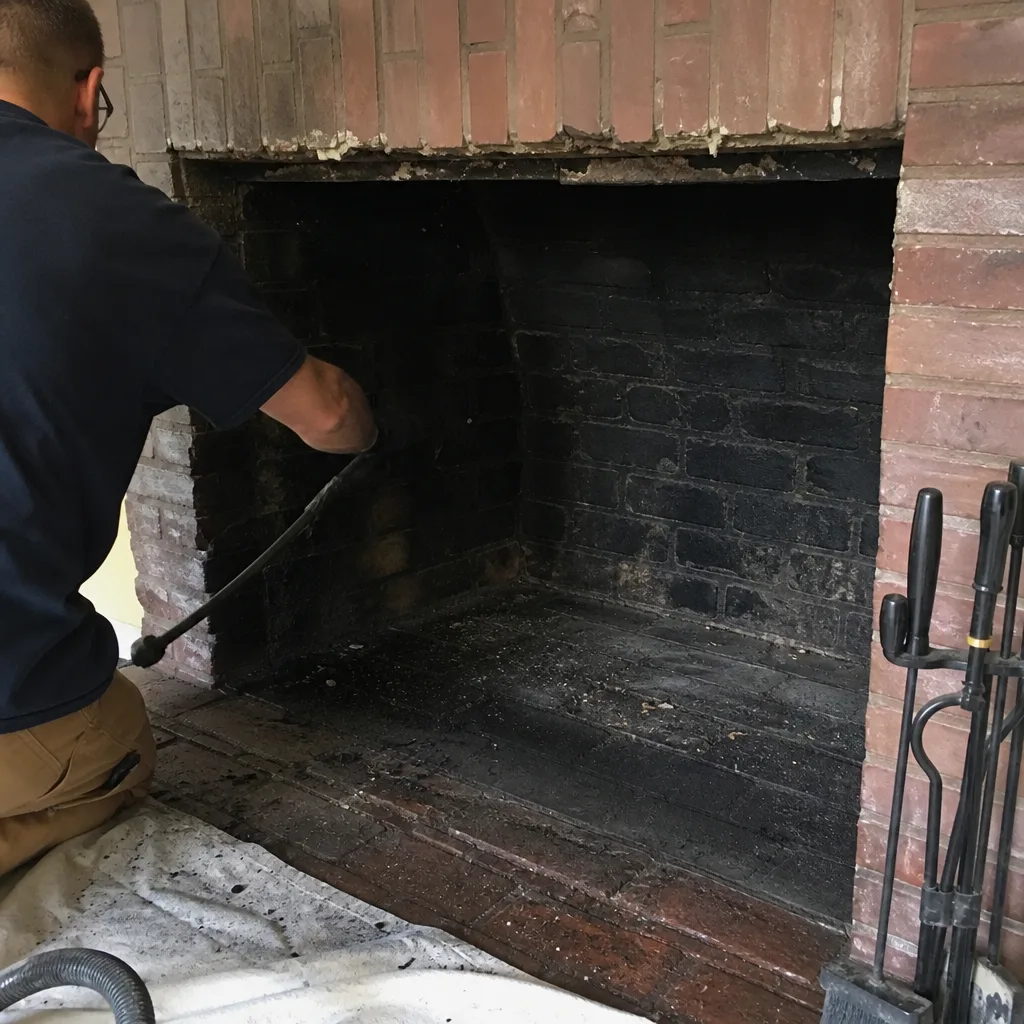 Before
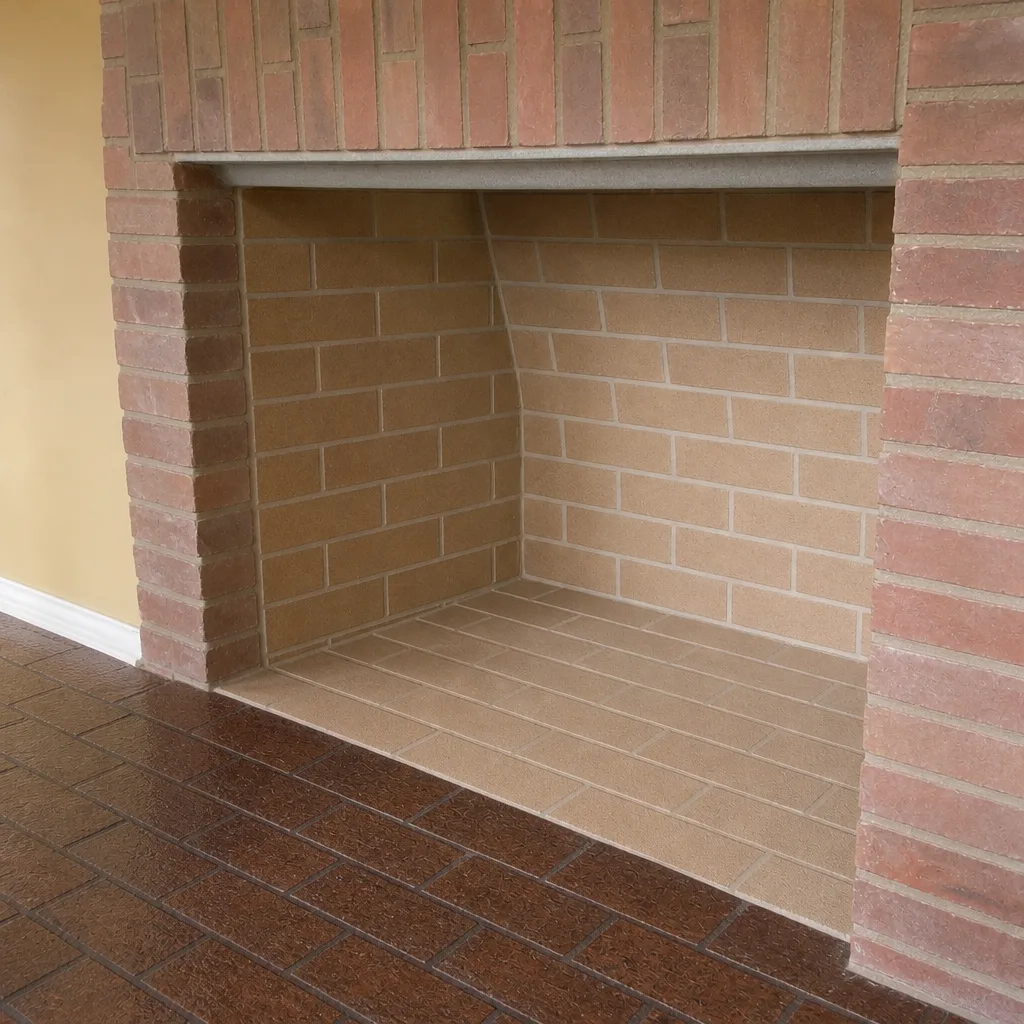 After
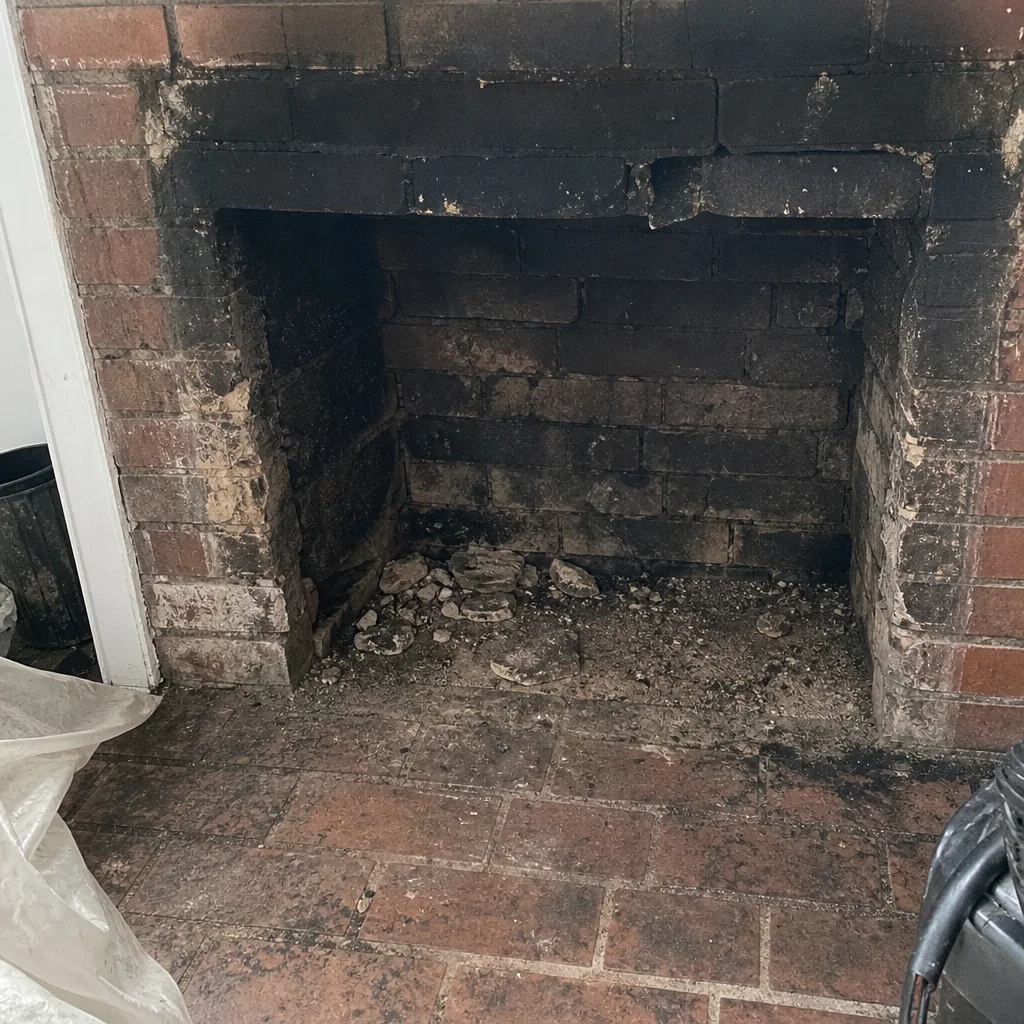 Before
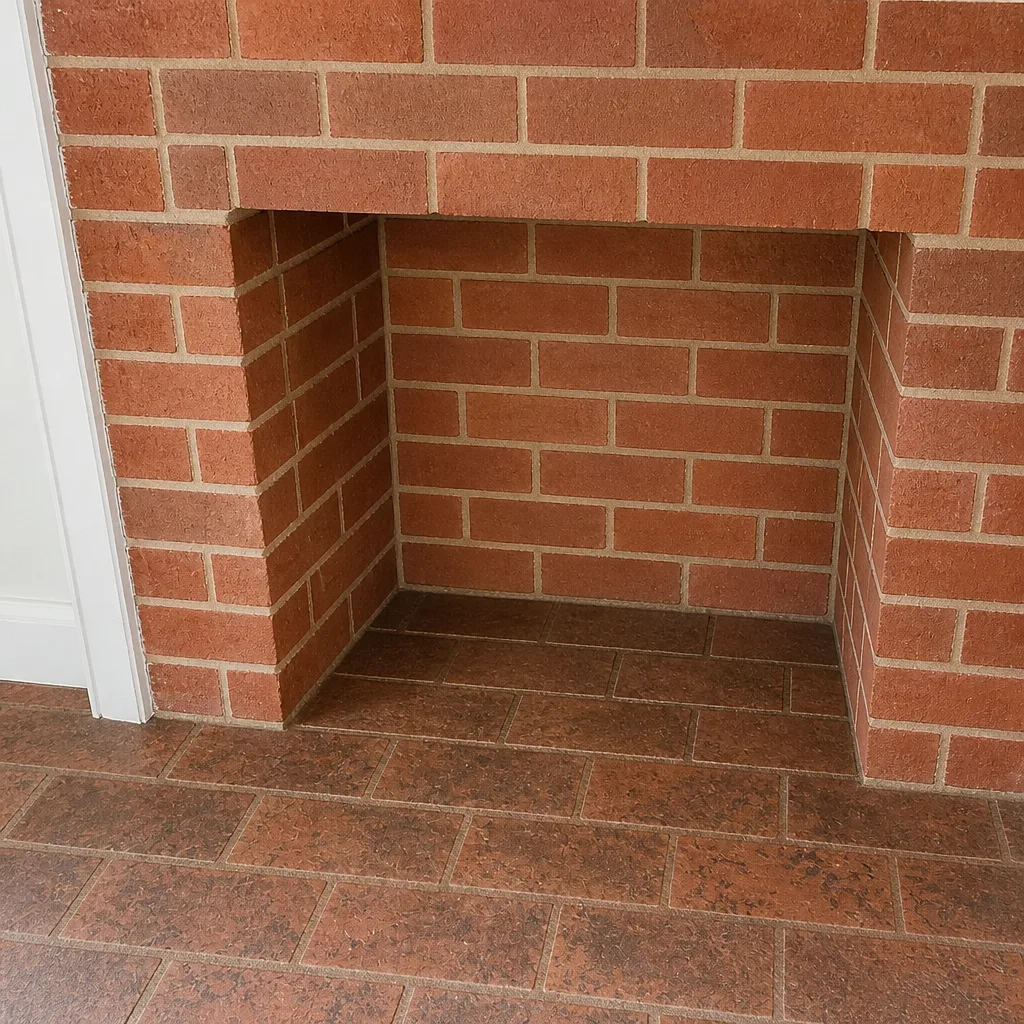 After
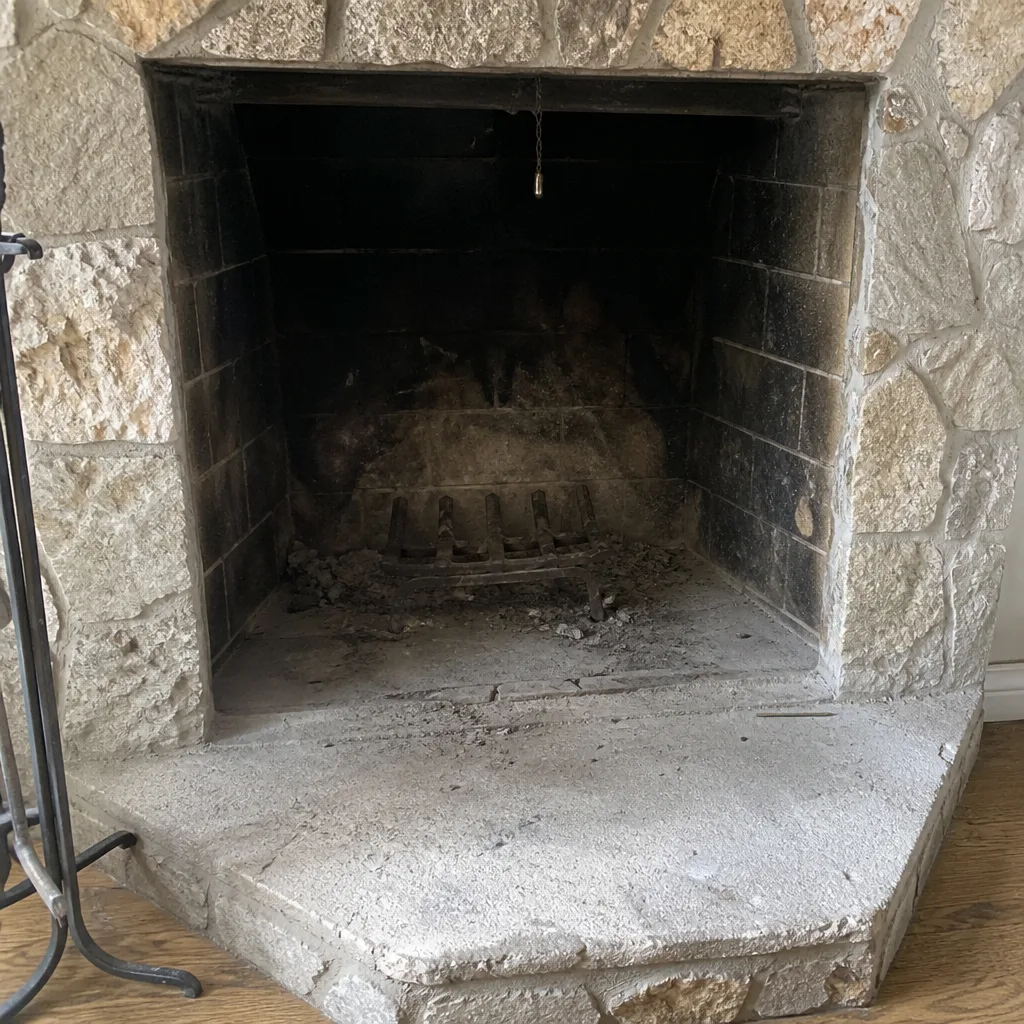 Before
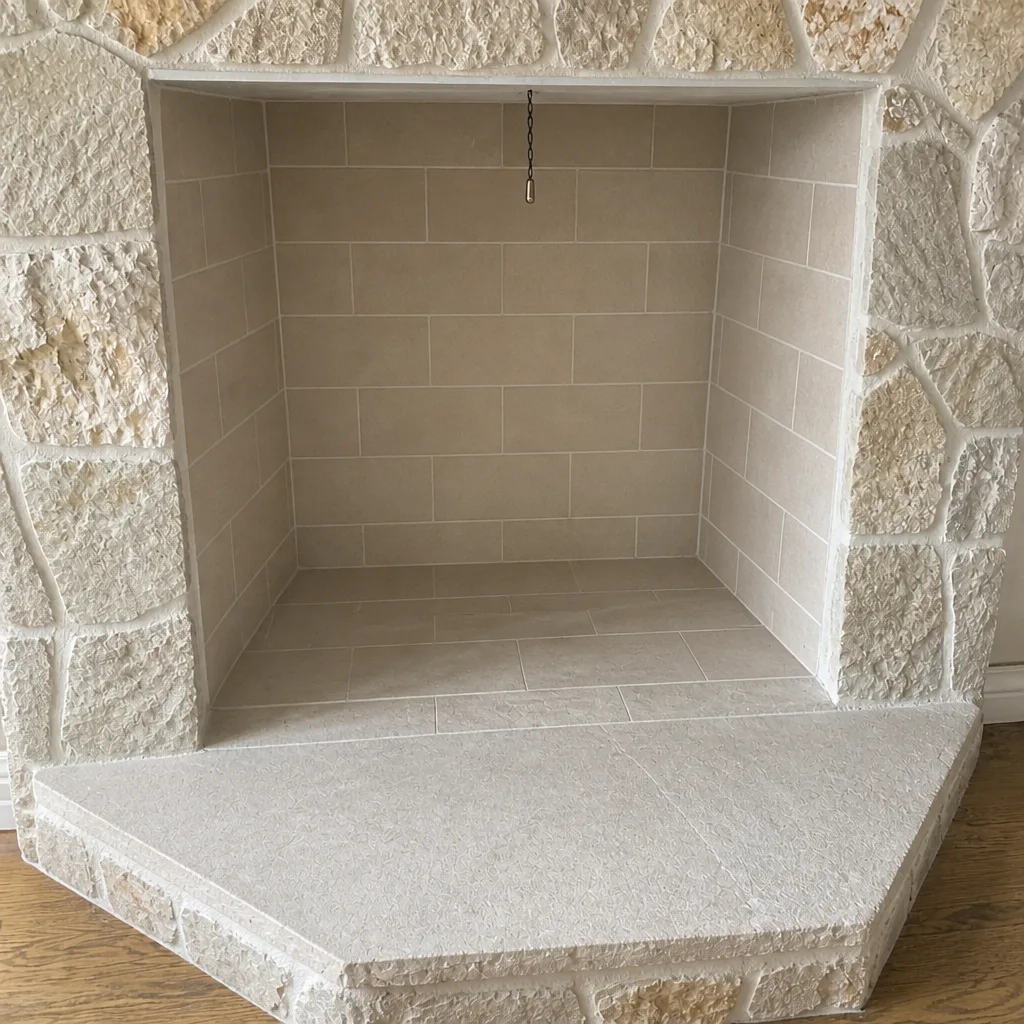 After
Frequently Asked Questions
Most Gainesville wood-burning fireplaces should be swept once a year, after the burning season ends around March. If you burn a lot of fires or your wood is on the greener side, you may need a sweep more often. A gas insert usually needs less frequent sweeping but still needs an annual inspection of the venting and connections.
October is the best month for a pre-season inspection in Gainesville, because it gives you time to complete any repairs before you light the first fire. A post-season sweep in March and a mid-summer moisture check in July round out the annual schedule.
Yes, and you should. Homeowners can check the cap, crown, exterior masonry, damper, firebox, and look for animal intrusion. What you can’t check is the flue lining and smoke chamber, which need a camera and a trained eye. Those are the checks that catch the fire risk.
Yes. A cap keeps rain out, blocks animals, and in spark-arrestor models keeps embers off the roof. In Gainesville, where summer storms are heavy and wildlife is active, a fitted cap is one of the simplest protections you can add. We fit Gelco and Famco caps sized to the flue rather than one-size-fits-all parts.
Wood-burning fireplaces need annual sweeping for creosote and annual inspection of the flue lining, since a cracked liner is a fire risk. Gas inserts need less frequent sweeping but annual venting and connection inspection, since the risk with gas is carbon monoxide rather than creosote. Both need professional inspection, just with different focus and schedule.
Skipping a year usually means more creosote in the flue, a higher chance of a hidden liner crack, and a chimney that’s absorbed moisture for a full summer without anyone checking the crown and flashing. It’s not an emergency, but it’s the kind of delay that turns a small repair into a bigger one. The cheapest maintenance is the appointment you actually schedule.
The Bottom Line
A Gainesville chimney checklist isn’t a month-by-month schedule copied from a northern-climate guide. It’s three anchors: an October inspection before the burning season, a March sweep after it, and a mid-summer moisture check when the rain is heaviest. Between professional visits, homeowners should watch the cap, crown, flashing, damper, and firebox, and treat any sign of animal intrusion or water staining as a call-the-professional signal. Wood-burning fireplaces need annual sweeping and liner inspection. Gas inserts need annual venting and connection inspection. And everything works better when it’s handled by a chimney specialist who does inspection, sweep, and repair in one visit. Call (844) 834-5386 for a free estimate.
Written by the team at Gainesville Chimney Cleaning.