
Last updated November 15, 2026
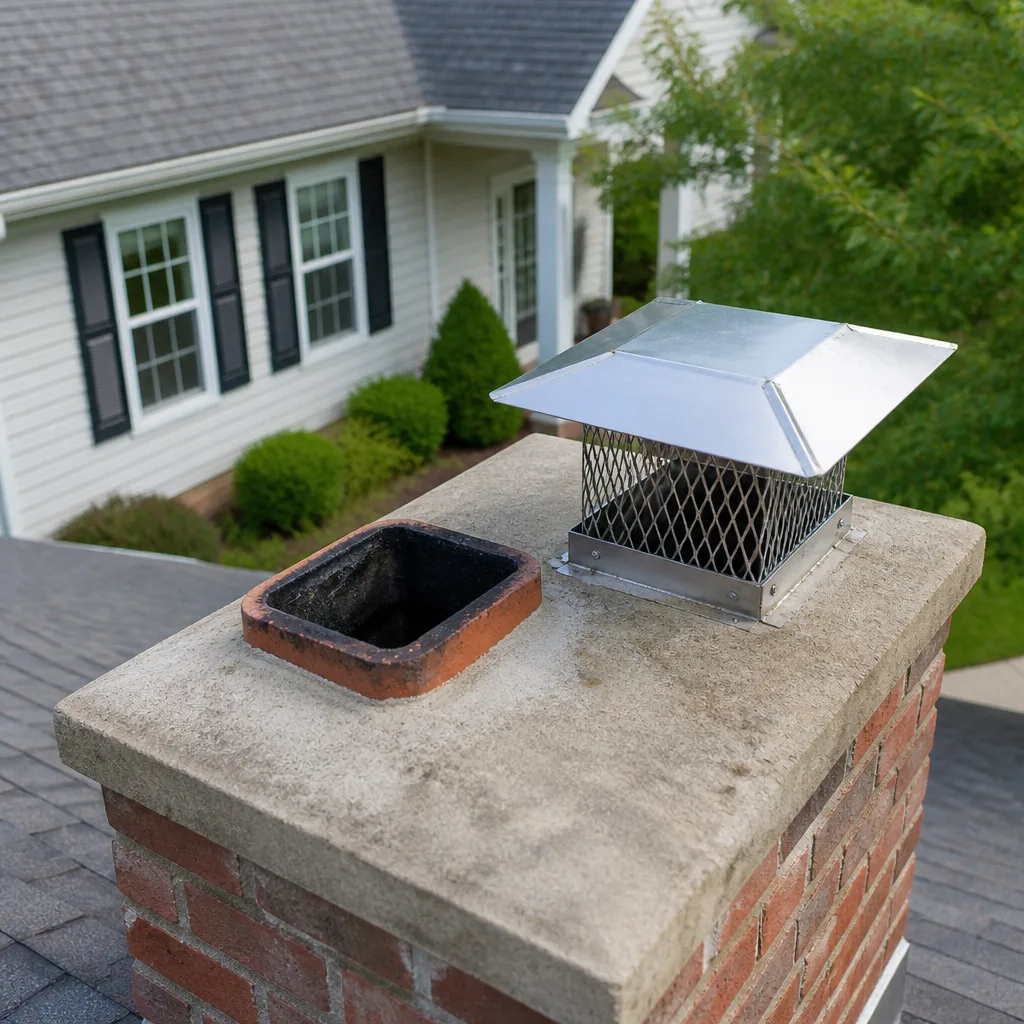 Sweep & inspection
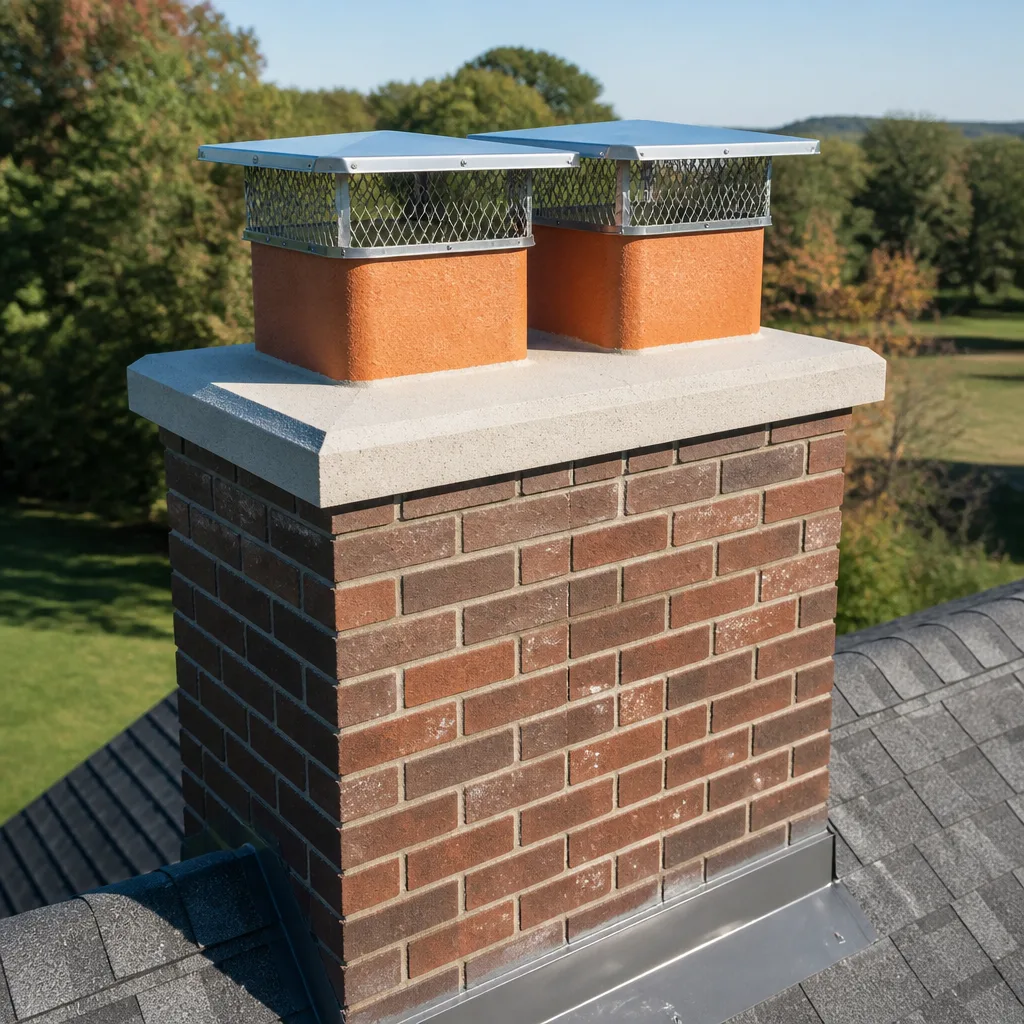 Caps & crowns
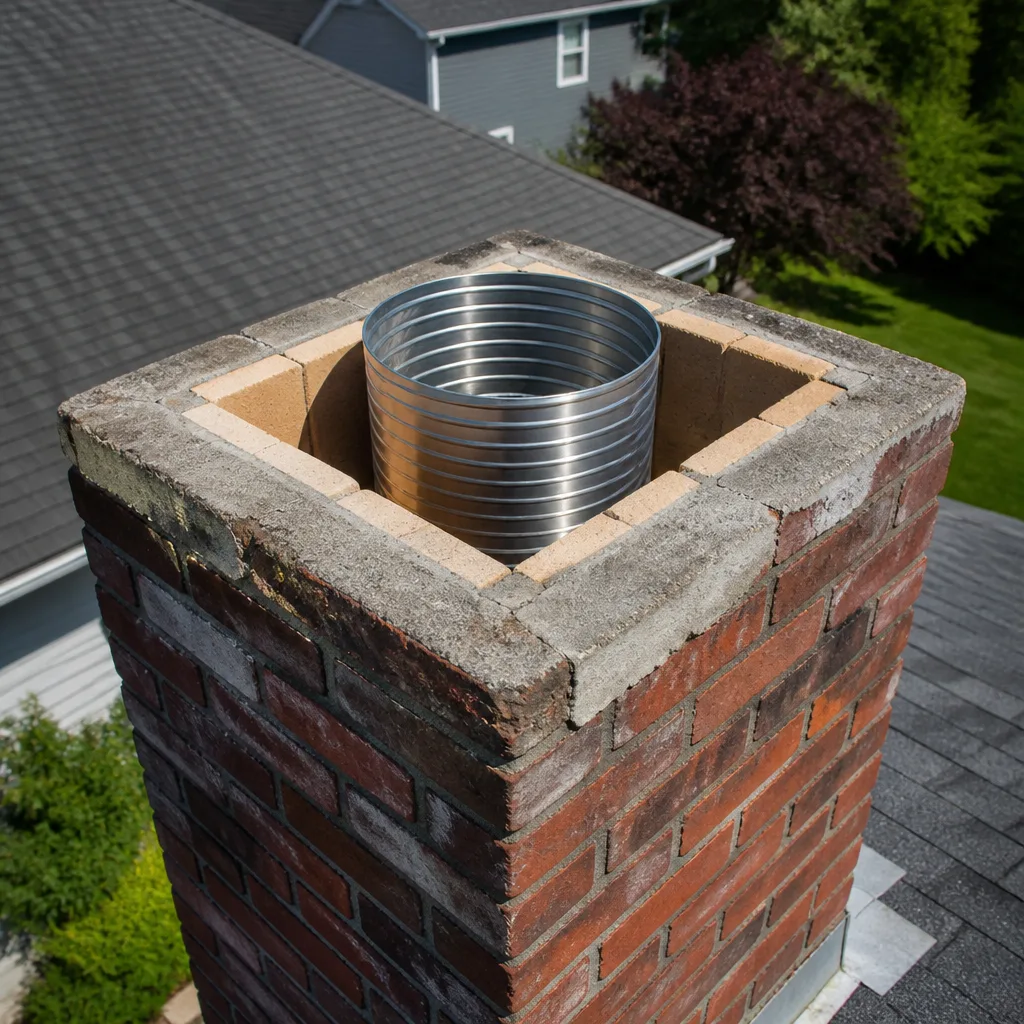 Flue relining
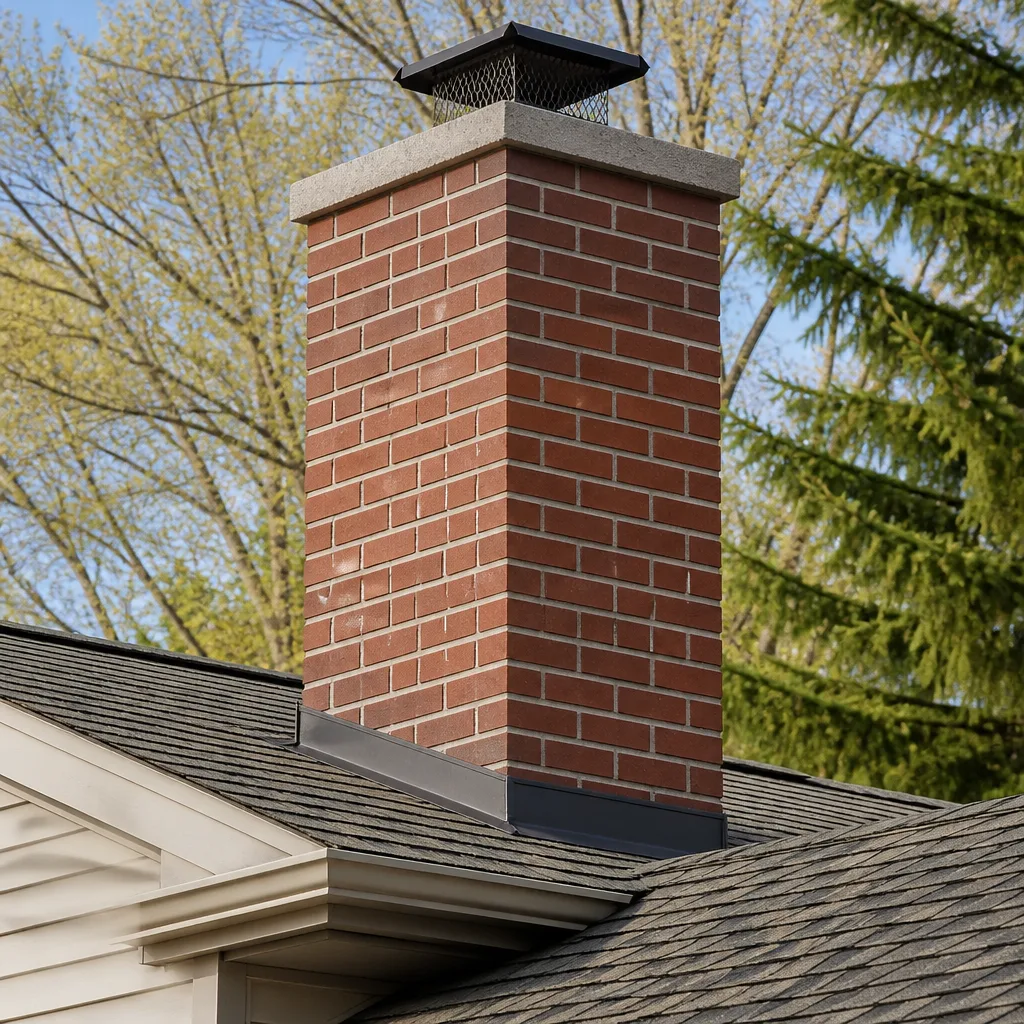 Masonry repair
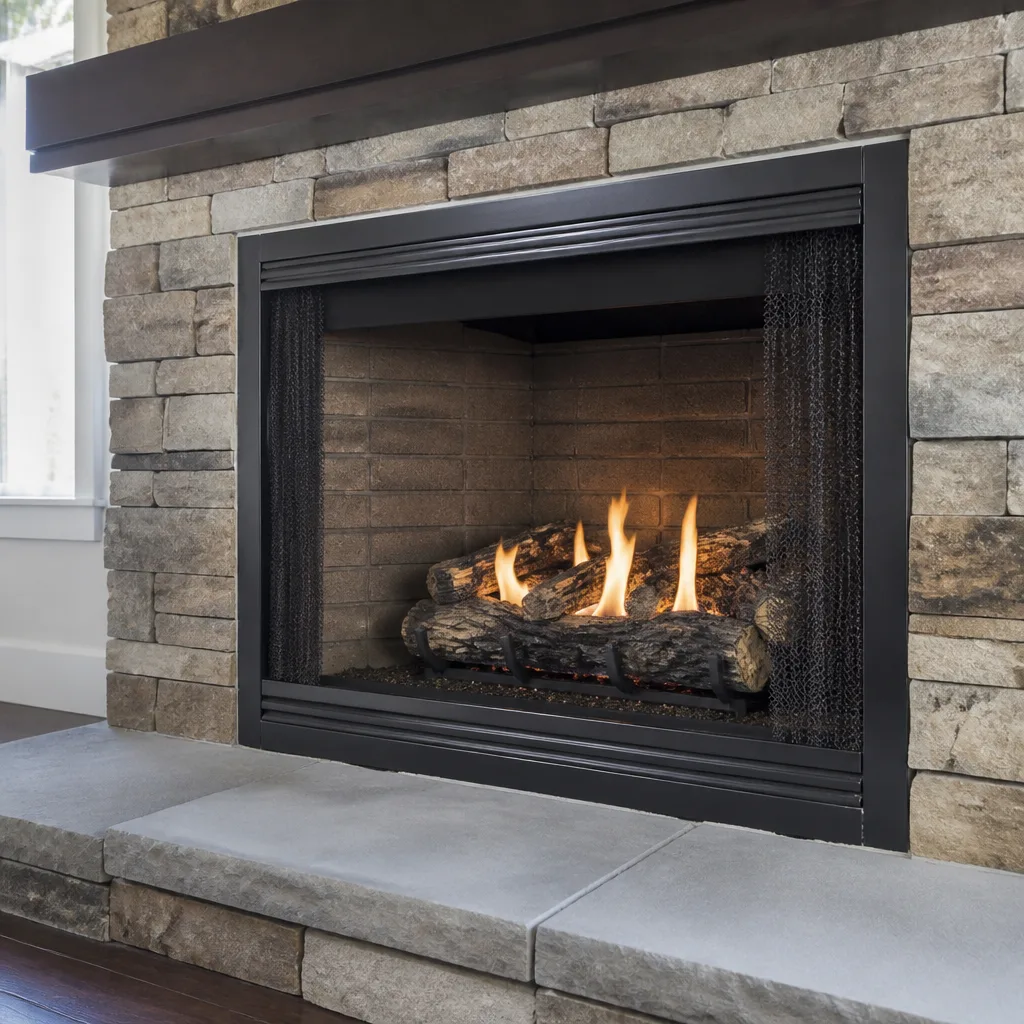 Gas fireplace service
Level 1 sweep and inspection to the NFPA 211 annual standard - flue, crown, cap, and flashing checked and photographed
Chimney sweep logs do not sweep chimneys. They loosen some creosote - which then falls where a brush and vacuum still have to collect it.
Chimney Cleaning Permits, Codes & Inspections in Gainesville, FL: What You Need to Know
A chimney sweep can clean your flue without a permit. The moment they reline it, patch the firebox, or install a new insert, Florida Building Code enters the picture, and most homeowners have no idea. That gap between routine maintenance and permitted construction is where resale deals stall, insurance questions surface, and a cheap repair from a previous owner turns into your problem. This guide draws the line clearly for Gainesville homeowners: what a sweep can legally do, what needs a building permit through Alachua County, which license classifications matter in Florida, and how to check permit history on work you didn’t commission. If you’ve put off service for a season or two, read this before you book anything.
Quick Answer
In Gainesville, routine chimney cleaning and a Level 1 visual inspection do not require a building permit. Structural work does: liner replacement, firebox or masonry repair, damper changes, and new fireplace insert installations all fall under Florida Building Code and require a permit through Alachua County’s building department, pulled by a licensed contractor. If your project is repair rather than cleaning, verify the contractor’s Florida license and ask who pulls the permit before work starts.
Styles & brands we work with
- Sweep & inspection
- Caps & crowns
- Flue relining
- Masonry repair
- Gas fireplace service
Table of Contents
- Where Routine Maintenance Ends and Permitted Work Begins
- What Florida Building Code Says About Chimneys and Fireplaces
- Florida Contractor License Classifications and What a Sweep Can Legally Do
- Why Chimney Permits Surface During a Gainesville Home Sale
- How to Check Permit History on Your Chimney
- The Three Levels of Chimney Inspection and When Each Applies
- How Gainesville Humidity and Wood-Burning Habits Affect Chimney Condition
- Questions to Ask Before You Hire Anyone
Where Routine Maintenance Ends and Permitted Work Begins
Most of what a chimney needs each year is maintenance, and maintenance doesn’t touch the permit system. A sweep removes creosote from the flue. An inspection documents condition with a camera and a written report. Neither changes the structure of the chimney, so neither requires a building permit. Homeowners in Gainesville who schedule a yearly sweep are staying in maintenance territory, and that’s exactly where they should be.
The line gets crossed when the work alters the chimney’s components or its performance as a system. A stainless liner is a new structural element inside the flue. A rebuilt firebox changes the containment boundary around the fire. A new gas or wood insert changes the appliance, the venting, and often the clearances. Any of these can affect fire safety and, in Florida, triggers the permit process.
Here’s the working split we use when we talk through a job:
- No permit typically needed: sweeping, creosote removal, Level 1 and Level 2 inspections, cap replacement with a like-for-like fit, minor mortar touch-up at the crown, removing a bird nest or debris blockage.
- Permit typically required: full liner installation or replacement, firebox rebuild, damper replacement or removal, chimney chase or masonry structural repair, new insert installation, converting a wood-burning fireplace to gas, and adding a chimney to an existing structure.
- Ask the building department: anything ambiguous, including whether a given repair qualifies as structural in your case, or whether permits for older work were ever closed out.
The word “typically” matters. Alachua County’s building department makes the final call on what needs a permit for your specific address, and a licensed contractor will confirm that before quoting repair work. When we scope a repair, we tell homeowners plainly which parts of the job sit on the permit side of the line. That’s part of what a chimney repair estimate should include.
What Florida Building Code Says About Chimneys and Fireplaces
Florida Building Code contains a chapter dedicated to chimneys and fireplaces, and it governs the details that matter most to inspectors. The provisions cover masonry and factory-built chimneys, hearth extensions, clearance to combustibles, flue sizing, damper requirements, and the standards liners and connectors must meet. You won’t memorize the chapter, and you don’t need to. You need to know what an inspector will look for, because those are the same things a competent contractor builds to.
When a chimney repair goes through permitting, the inspection stage tends to focus on a consistent set of items:
- Clearances. The distance between the chimney or connector and combustible framing, sheathing, and insulation. This is the single most common finding in older homes where a previous owner made “improvements.”
- Liner continuity. Whether the flue liner runs unbroken from the appliance to the top, with correct termination and no gaps at joints.
- Hearth and hearth extension. Dimensions and material of the hearth in front of the firebox opening, which protect the floor from sparks and radiant heat.
- Crown and flashing. Whether water is being directed away from the chimney and the roof penetration is sealed correctly.
- Appliance listing and venting. For inserts and gas appliances, that the unit is listed for the application and vented per its listing.
- Cap and spark arrestor. That the termination is screened and sized properly for the flue.
We keep professional-grade components on hand for exactly this reason. DuraFlex flexible liner systems meet the standards inspectors expect for relining, and Olympia Chimney and Copperfield components are trade-standard parts, not consumer-retail substitutes that may or may not be listed for the application. When a job has to pass inspection, the materials have to be right the first time. A failed inspection costs more than the difference between good components and cheap ones.
Florida Contractor License Classifications and What a Sweep Can Legally Do
Florida separates the trades by license, and chimney work crosses more than one category. Understanding that split protects you from hiring someone whose credentials don’t match the job. A CSIA-certified sweep is trained and tested on chimney and venting systems, and that certification is a strong signal of competence at cleaning and inspection. Certification alone, though, does not authorize structural repair or permit-pulling in Florida. Those require a state or local contractor license in the appropriate category.
The practical picture looks like this:
- Chimney sweeping and inspection: no contractor license class governs this as construction work. Certification through a recognized body like the CSIA, plus insurance, is your benchmark.
- Masonry repair and chimney structure: falls under a licensed masonry or general contractor, depending on scope.
- Fireplace inserts, gas appliances, and venting changes: generally a licensed specialty or mechanical contractor, and in some cases a licensed gas contractor for the fuel connection.
- Pulling the permit: the licensed contractor performing the permitted work is the one responsible for pulling it. A homeowner can sometimes pull an owner-builder permit, but that transfers inspection responsibility and disclosure obligations to you.
This is why the “chimney specialists, not generalists” distinction cuts both ways. You want a specialist who knows chimney systems deeply, and you want that specialist to be straight with you about which parts of a job require a licensed trade and a permit. A company that does the full arc, inspection through repair, can coordinate that without you chasing three contractors. When a project does need a licensed trade beyond the chimney scope, we say so up front rather than quietly skipping the permit.
Why Chimney Permits Surface During a Gainesville Home Sale
Buyer inspections have become more thorough, and chimney findings have moved up the list. A buyer’s inspector runs a camera, spots a liner that looks newer than the rest of the chimney, and asks a reasonable question: was this permitted? If nobody can produce a record, the deal gets a contingency, a credit request, or a renegotiation. In Gainesville’s housing market, where a meaningful share of homes carry older masonry chimneys and a history of owner-DIY work, that scenario plays out often.
The pattern is predictable. A previous owner had a liner installed or a firebox patched. The work may have been done well. But if it wasn’t permitted, the current owner inherits the disclosure problem years later, usually at the worst possible moment. Unpermitted repair isn’t automatically unsafe, but it’s unverified, and buyers and their agents treat unverified structural work at full value as a risk.
Two habits keep Gainesville homeowners ahead of this:
- Pull permit history before you list. If a repair shows up with no permit, you can address it before it becomes a negotiation point. Sometimes the fix is documentation. Sometimes it’s an inspection that confirms the work is sound.
- Keep your own paper trail. When you commission permitted repair, keep the permit number, the inspection sign-off, and the contractor’s documentation with your home records. That file is worth real money at closing.
If you’re buying a home in Gainesville with a wood-burning fireplace and the inspection raises questions, a Level 2 inspection with a camera and photo report gives you something to point to. We can work with what your real estate timeline requires, and we’ll tell you honestly when a finding is cosmetic versus when it needs to be resolved before closing.
How to Check Permit History on Your Chimney
Alachua County maintains public records of building permits, and chimney work that went through the system should appear there. You can search by address. The process is straightforward, and doing it once takes less time than a single phone call to a contractor.
Here’s the sequence:
- Find your property record. Start with the Alachua County property appraiser’s site using your address or parcel number. That gives you the official parcel identifier.
- Search the building department’s permit portal. Alachua County’s online permitting system lets you search permits by address or parcel. Look for chimney, fireplace, masonry, or insert-related permits.
- Review the permit status, not just its existence. A permit that was issued but never received final inspection is a red flag. “Closed” and “finaled” are the statuses you want.
- Request the inspection records. If a permit exists, the inspection history tells you what was checked and whether anything failed before passing. County staff can help you locate these records if the portal is unclear.
- Document what you find. Screenshot or download the record. If you’re selling, put it with your home file. If you’re buying, forward it to your agent.
If a search turns up nothing for work you believe was done, that doesn’t automatically mean the work was unpermitted. Old records get misfiled, and addresses get renumbered. But it’s a question worth resolving, and a Level 2 inspection can tell you what’s actually installed regardless of paperwork. Call (844) 834-5386 if you want us to look at the chimney and give you a written assessment you can use.
The Three Levels of Chimney Inspection and When Each Applies
Chimney inspections are standardized across the industry, and knowing which level you need keeps you from paying for more than the situation requires. The levels describe access and scope, not the depth of a sales pitch.
- Level 1: Visual inspection of readily accessible portions of the chimney and appliance, with no tools that require disassembly. This is the standard annual inspection paired with a chimney sweep when nothing has changed and there’s no known problem.
- Level 2: Everything in a Level 1 plus accessible areas including the attic, crawlspace, and the use of a camera to examine the interior of the flue. Required at a property transfer, after any change to the appliance or fuel type, after an event like a chimney fire or a seismic or storm event, and whenever a Level 1 turns up something that needs a closer look.
- Level 3: Everything in a Level 2 plus removal of components or construction to access concealed areas. Reserved for situations where a serious hazard is suspected and the concealed condition has to be seen directly.
For most Gainesville homeowners, the rhythm is a Level 1 with an annual sweep, plus a Level 2 whenever life changes something: new house, new insert, new fuel, or a chimney fire in the rearview. Our technicians have up to 11 years of experience, and camera inspection with a photo report is included so you’re looking at the same evidence we are. If the camera shows nothing concerning, we say so and skip the upsell.
A note on older masonry chimneys especially: the visual portion of an inspection can look fine while the flue has a failing liner joint that only a camera catches. That gap is why Level 2 inspections at property transfer matter, and why we don’t recommend liner work without camera evidence a homeowner can see for themselves.
How Gainesville Humidity and Wood-Burning Habits Affect Chimney Condition
North Central Florida’s humidity shapes chimney problems in ways colder climates don’t. Winters here are mild, which means chimneys sit idle through long stretches and then get used for concentrated periods when the weather turns. That pattern matters. A flue that stays cool and damp between fires accumulates moisture that attacks mortar joints and accelerates rust on metal components. Brick and mortar absorb moisture from humid air year-round, and a chimney that isn’t shedding water correctly at the crown and flashing pays for it.
Wood choice matters too. In and around Gainesville, plenty of homeowners burn what comes from their property or from local tree services, and that wood often hasn’t been seasoned long enough. Unseasoned wood means more smoke, more creosote, and more moisture going up the flue. Creosote comes in forms ranging from a light soot to a glazed, tar-like coating, and the glazed form is the one that fuels chimney fires. It’s not a scare tactic to say a chimney fire is the reason annual sweeping exists. It’s the reason the National Fire Protection Association recommends chimneys be inspected yearly and swept as needed.
Humidity also affects the cap. A cap that doesn’t fit is an invitation for water entry and animal nesting. We fit Gelco and Famco caps and covers so the termination is actually matched to the flue rather than approximated with a hardware-store universal piece. Small detail, real consequences when the rainy season arrives and a poor-fitting cap channels water down the inside of the chimney.
One more local factor: older masonry chimneys in Gainesville neighborhoods carry decades of use and often a repair or two from a previous owner. The humid climate rewards a slower inspection of mortar joints, the crown, and the flashing than a quick look from the roof edge allows. Our chimney-only focus means every technician is a chimney specialist who knows what to look for here.
Questions to Ask Before You Hire Anyone
The right questions separate a contractor who knows chimney systems from one who’s guessing. Ask them before work starts, and treat a vague answer as your answer.
- Are you CSIA-certified, and are you insured? Certification and insurance aren’t the same as a license, but they’re the baseline for sweeping and inspection work. Ask for proof.
- For repair work, what Florida license do you hold, and who pulls the permit? A clear answer here tells you whether the contractor can legally perform permitted work or is subcontracting it.
- Will you give me camera inspection results with a photo report? You should be able to see the evidence yourself before agreeing to any repair.
- Which liner system do you install, and is it listed for my application? DuraFlex, HeatShield, and similar professional-tier products carry the listings inspectors look for. A no-name liner is a risk you inherit.
- What’s the written estimate, and what’s included? The written estimate sets the final price. Get the scope in writing.
- Can you tell me which parts of this can wait? A chimney contractor who can’t or won’t say when work can safely be deferred is telling you something.
Two services are worth asking about specifically. HeatShield is a chimney liner restoration system that resurfaced a damaged flue from the inside, extending liner life without the cost of full relining, and it’s an option many local competitors don’t offer. And when a flue genuinely needs a new liner, DuraFlex flexible liner systems are what certified specialists install nationwide. We work with both, so the recommendation follows the condition rather than the inventory.
Common Mistakes to Avoid
- Assuming cleaning covered the repair. A sweep and a permitted reline are different jobs with different legal requirements. If your “annual service” included a new liner and no permit was discussed, ask questions.
- Skipping the permit because “it’s just a liner.” Liner installation is a structural change to the flue and falls under permitted work. Saving the permit cost up front costs more at resale.
- Hiring on price alone for repair work. The cheapest liner quote usually reflects a lower-tier product or skipped permitting. Ask what brand and listing are behind the number.
- Buying a home in Gainesville without checking permit history. The permit search takes ten minutes and can save a renegotiation later. Do it in the contingency period, not after closing.
- Burning unseasoned wood. Locally cut wood that hasn’t dried burns dirty and accelerates creosote buildup. It’s the single easiest thing to get right.
- Ignoring the crown and flashing. These are water-management details, and in this climate, water is the enemy of a masonry chimney. Small repairs here prevent big ones.
- Accepting a liner recommendation without camera evidence. Nothing should be recommended without visible camera evidence you can review. If you can’t see it, don’t agree to it.
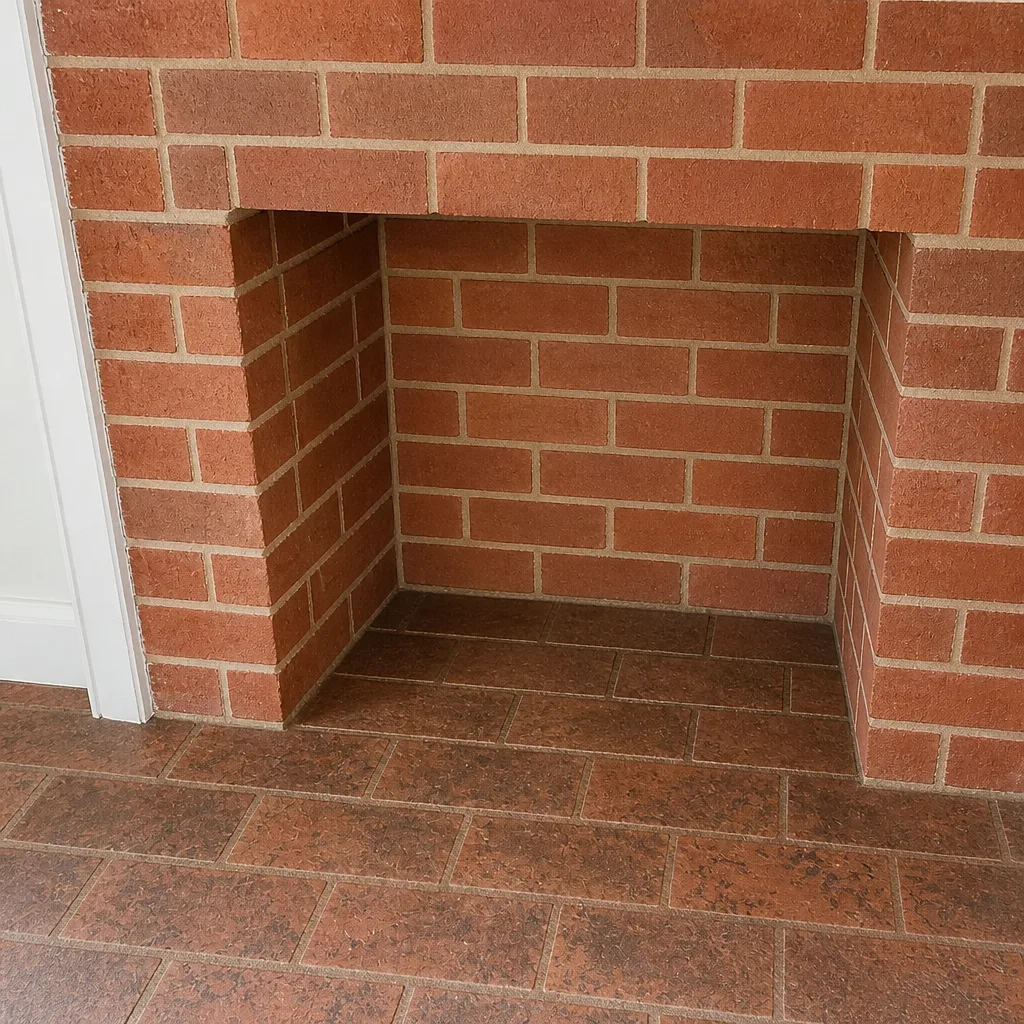
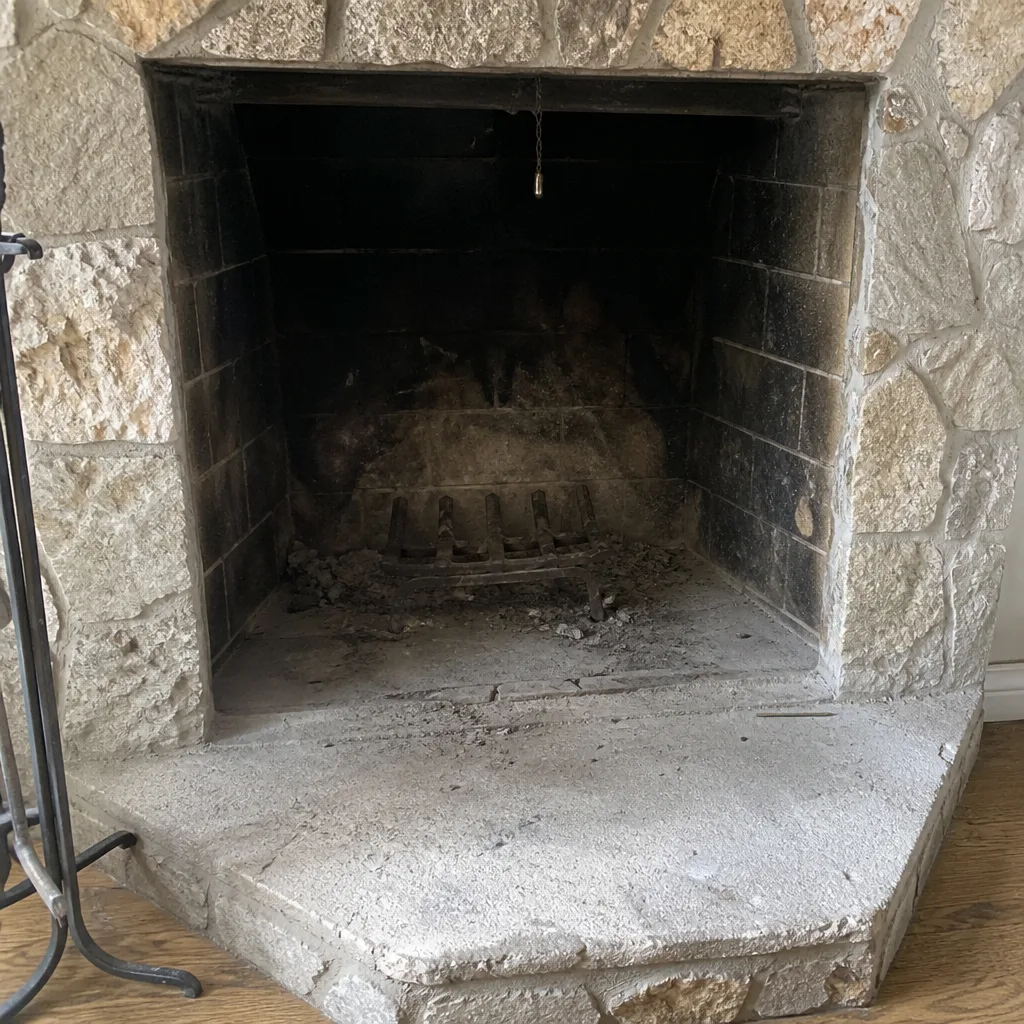
See the difference
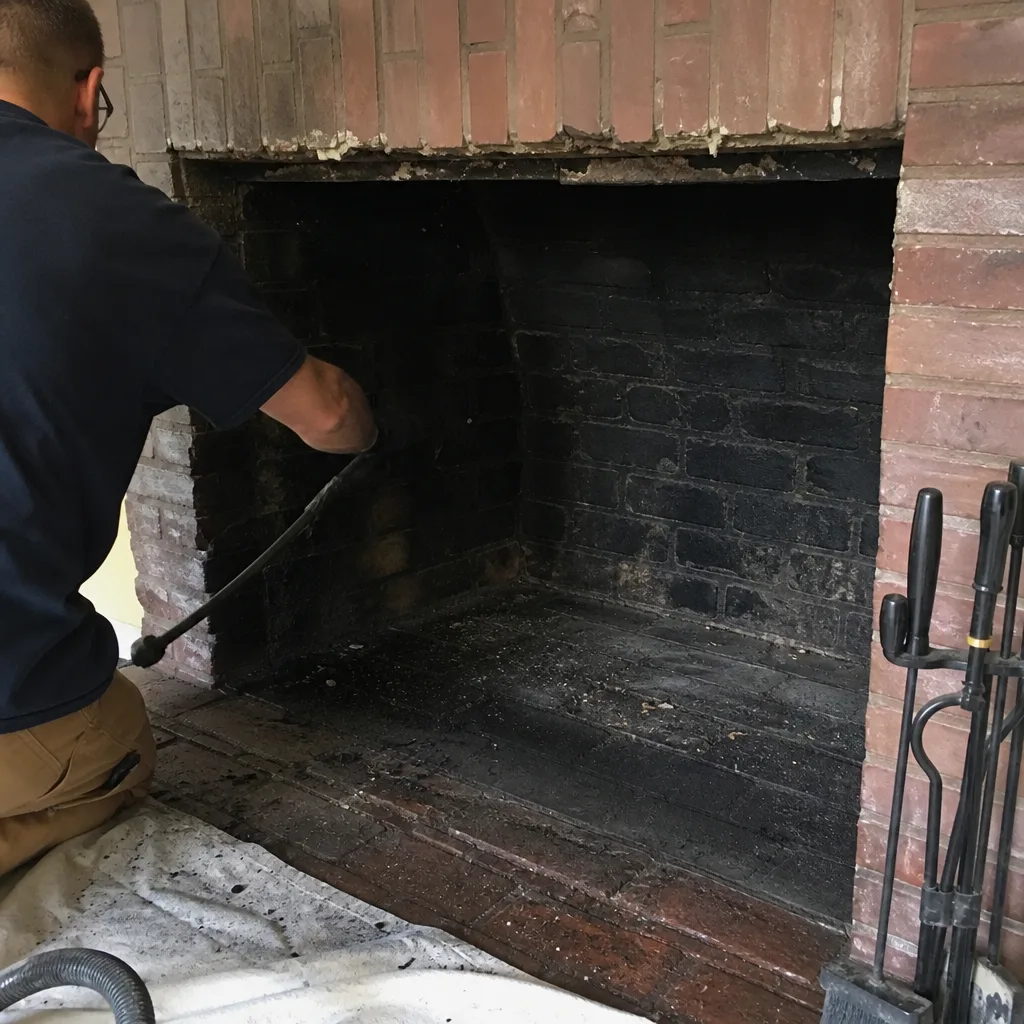 Before
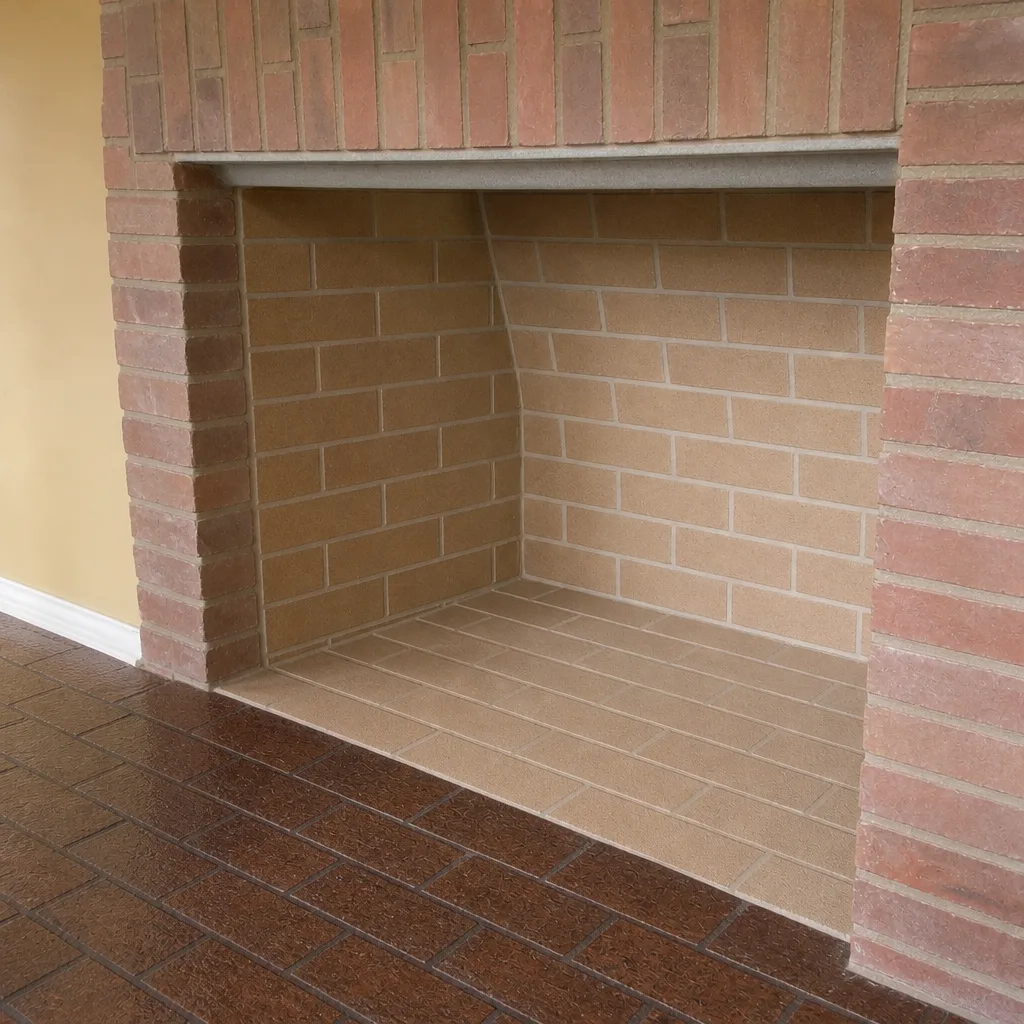 After
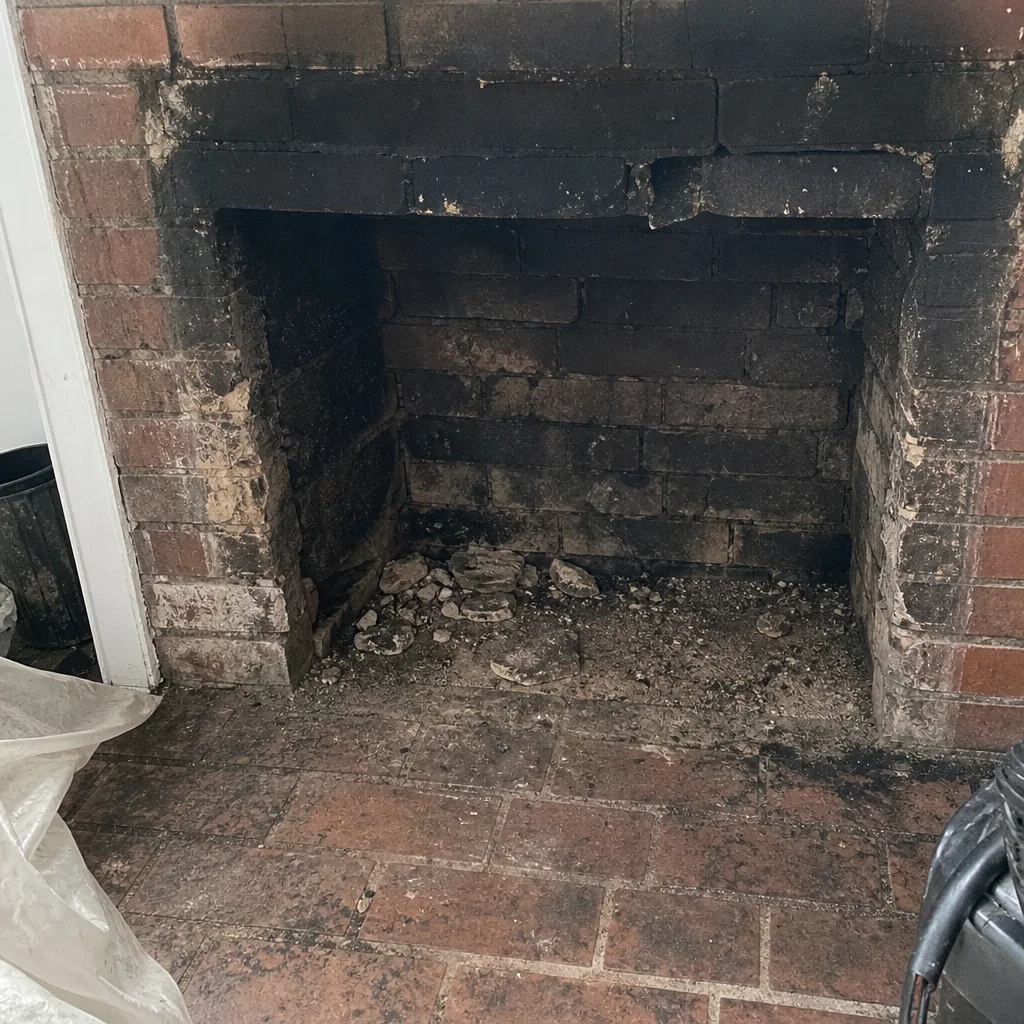 Before
 After
 Before
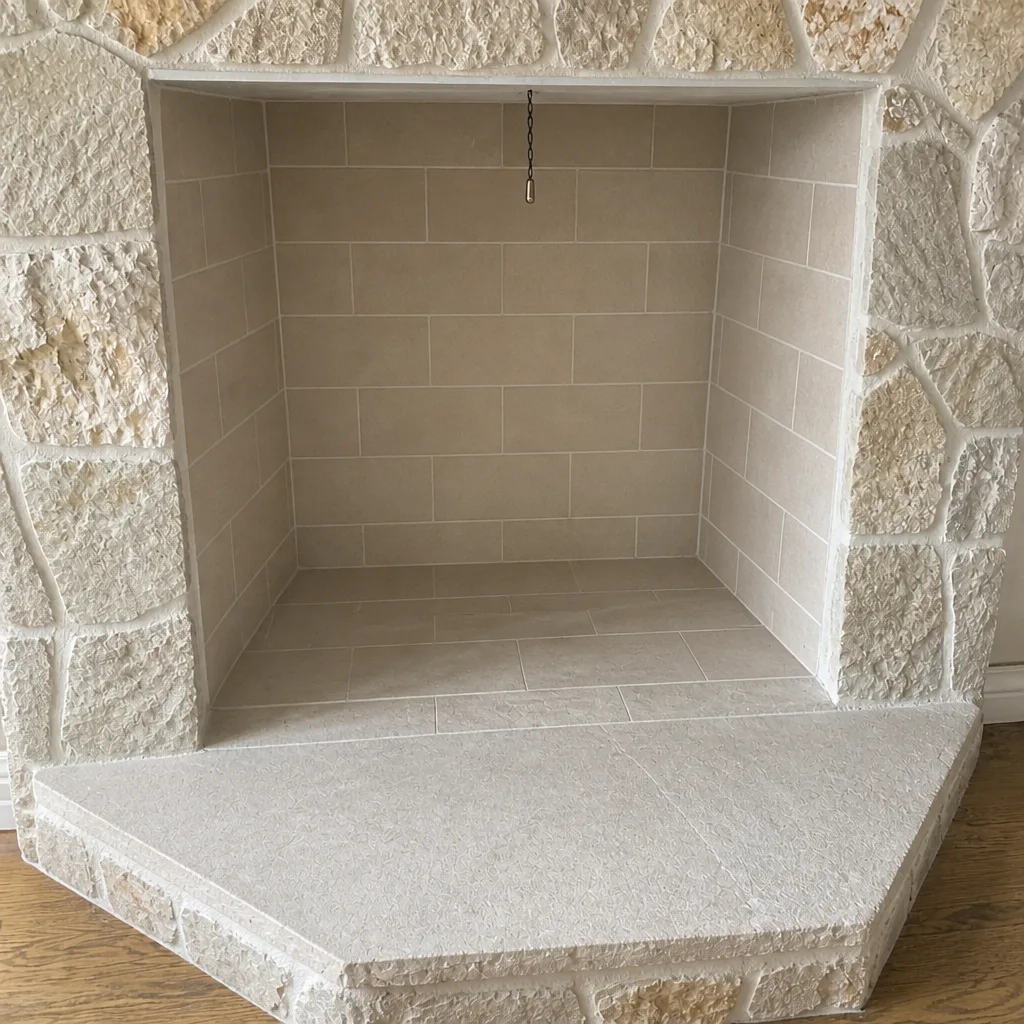 After
When to Call a Professional
Some things you can check yourself: smoke coming back into the room, a cap that’s rusted through, a fire that’s suddenly harder to light. But certain work belongs with a trained professional, and we mean that literally. Liner installation, firebox work, and any component that touches the firebox or flue interior should be handled by someone trained and licensed, with the permit in place where code requires it. Electrical or gas connections on a new insert belong with the licensed trade for that work. And if you suspect a chimney fire has occurred, even one that went out on its own, stop using the fireplace until a Level 2 inspection says otherwise. Gainesville Chimney Cleaning offers free estimates in Gainesville, call (844) 834-5386. We answer 24/7, with fast dispatch from 7am to 7pm, Sunday through Friday.
Frequently Asked Questions
No. Routine chimney cleaning and a Level 1 visual inspection don’t require a building permit in Gainesville or anywhere in Alachua County. Permits apply to structural work like liner replacement, firebox repair, and insert installation. Call (844) 834-5386 for a free estimate, and we’ll tell you up front which side of that line your job falls on.
Yes, in most cases. A new or replacement liner is a structural change to the flue system and falls under permitted work in Florida Building Code, pulled by the licensed contractor performing it. What a sweep can do without a permit is clean and inspect. Call (844) 834-5386 with your address and we can walk through what your project needs.
Search the Alachua County building department’s permit portal using your property’s address or parcel number, then check the permit status, not just whether one exists. A permit issued but never finaled is worth investigating. If you can’t find the record, a Level 2 inspection can tell you what’s actually installed. Call (844) 834-5386 for a camera inspection with a written report.
Yes. Buyers’ inspectors flag newer chimney work, and without a permit record the buyer can request a credit, delay closing, or walk. It’s the most common way unpermitted repairs surface. If you’re listing, pull your permit history first. If you’re buying, make sure the inspection report includes the flue. Call (844) 834-5386 for a Level 2 inspection on a home you’re purchasing.
They’re different credentials for different work. A CSIA certification demonstrates training and testing in chimney and venting systems, which covers sweeping and inspection. Structural repair and permit-pulling require a Florida contractor license in the appropriate category. A contractor who can answer that distinction clearly is one worth hiring. Call (844) 834-5386 if you’re unsure what your project requires.
Annually, with a sweep as needed, and no permit is involved in routine inspection. A Level 1 inspection fits an unchanged system, and a Level 2 is required at property transfer, after a change to the appliance or fuel, or after any chimney fire event. The mild Gainesville climate and concentrated burning season make the annual routine worth keeping. Call (844) 834-5386 to book an inspection and get a written report.
The Bottom Line
Cleaning and inspecting your chimney is maintenance, and it doesn’t touch the permit system. Relining, repairing the firebox, or installing an insert is construction work under Florida Building Code, and it needs a permit pulled by a licensed contractor. In Gainesville, where resale inspections scrutinize chimney work closely, that distinction has real financial weight. Know which side of the line your project sits on, verify permit history through Alachua County before it becomes someone else’s question, and ask any contractor for camera evidence and a written estimate before agreeing to work. If you want a straight answer about your chimney, our team is here.
Call Gainesville Chimney Cleaning at (844) 834-5386 for a free estimate. We answer 24/7. Fast dispatch from 7am to 7pm, Sunday through Friday. Inspection, sweep, and repair handled start to finish in Gainesville, with professional-grade materials like DuraFlex, HeatShield, Olympia Chimney, and Gelco behind every repair we recommend. Visit Gainesville Chimney Cleaning to see how we work.
Written by the team at Gainesville Chimney Cleaning.