
Last updated November 15, 2026
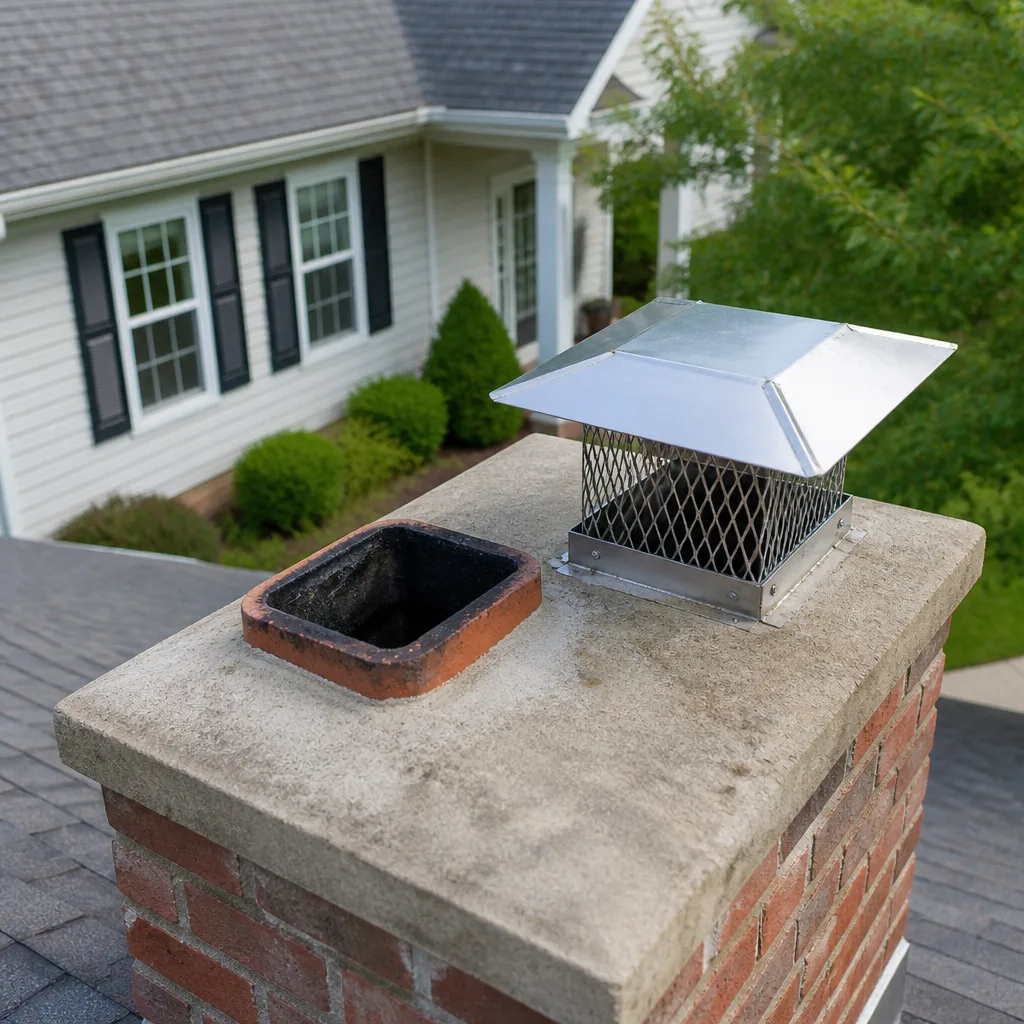 Sweep & inspection
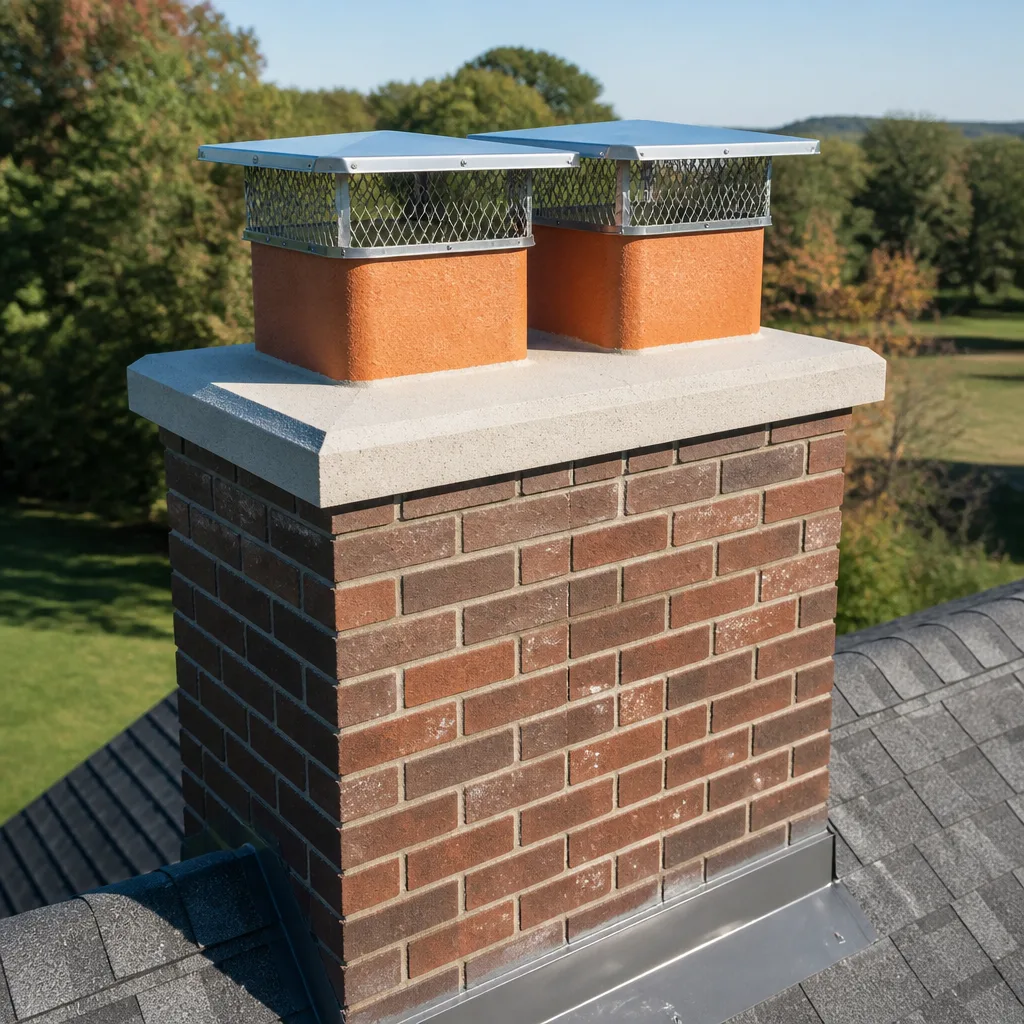 Caps & crowns
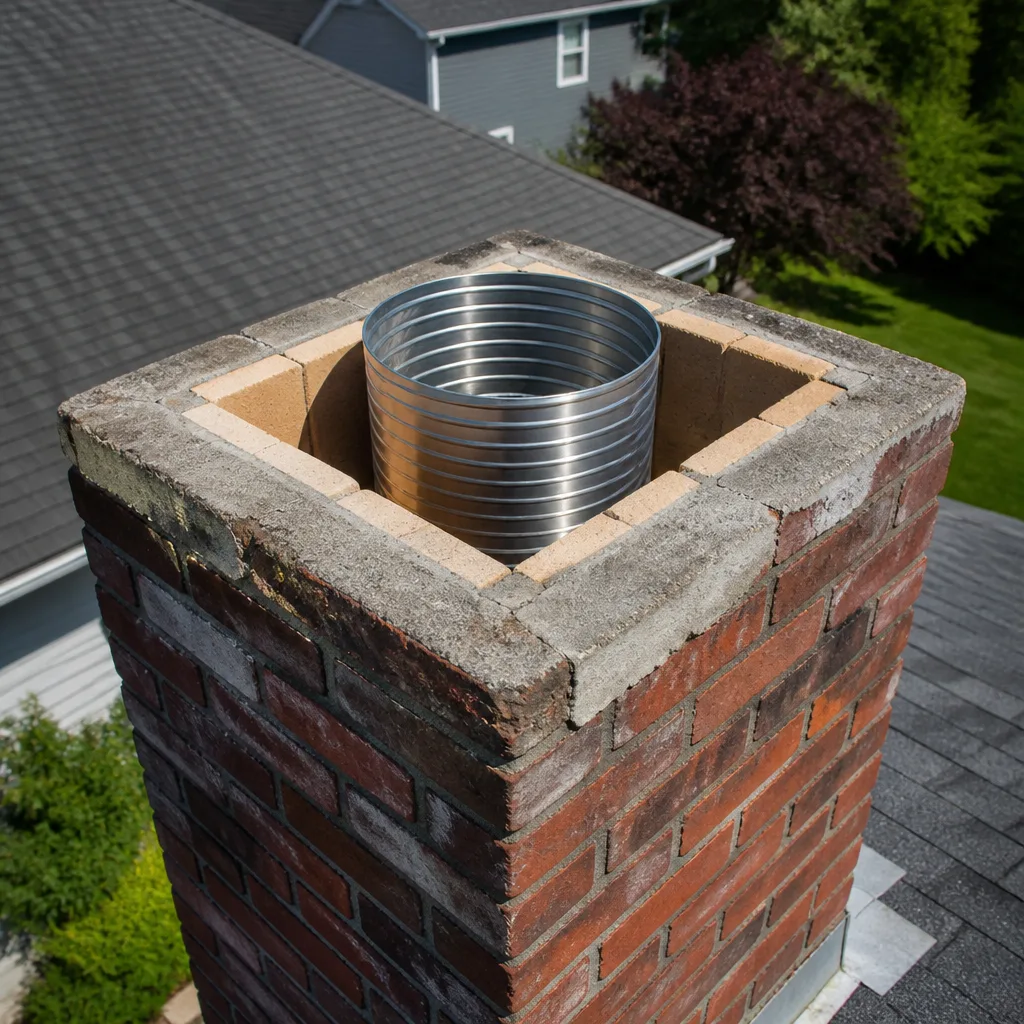 Flue relining
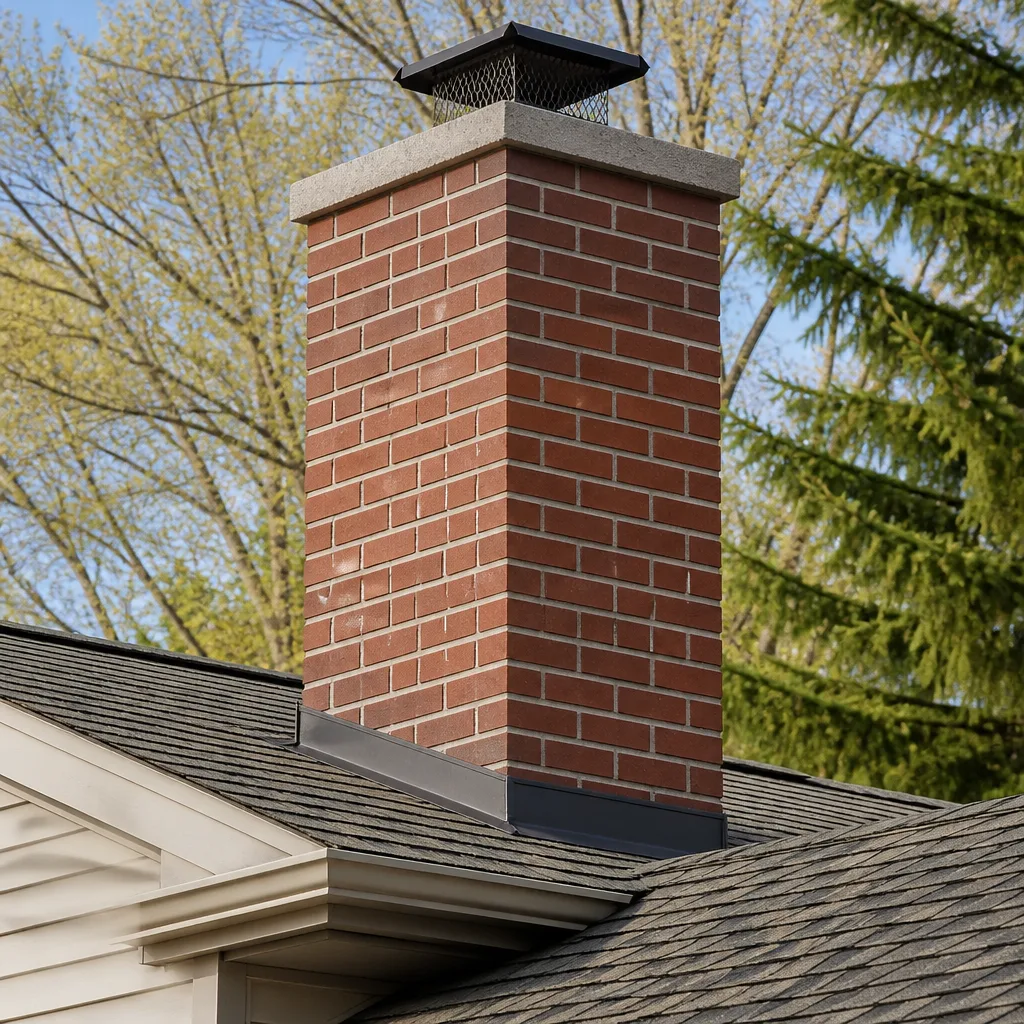 Masonry repair
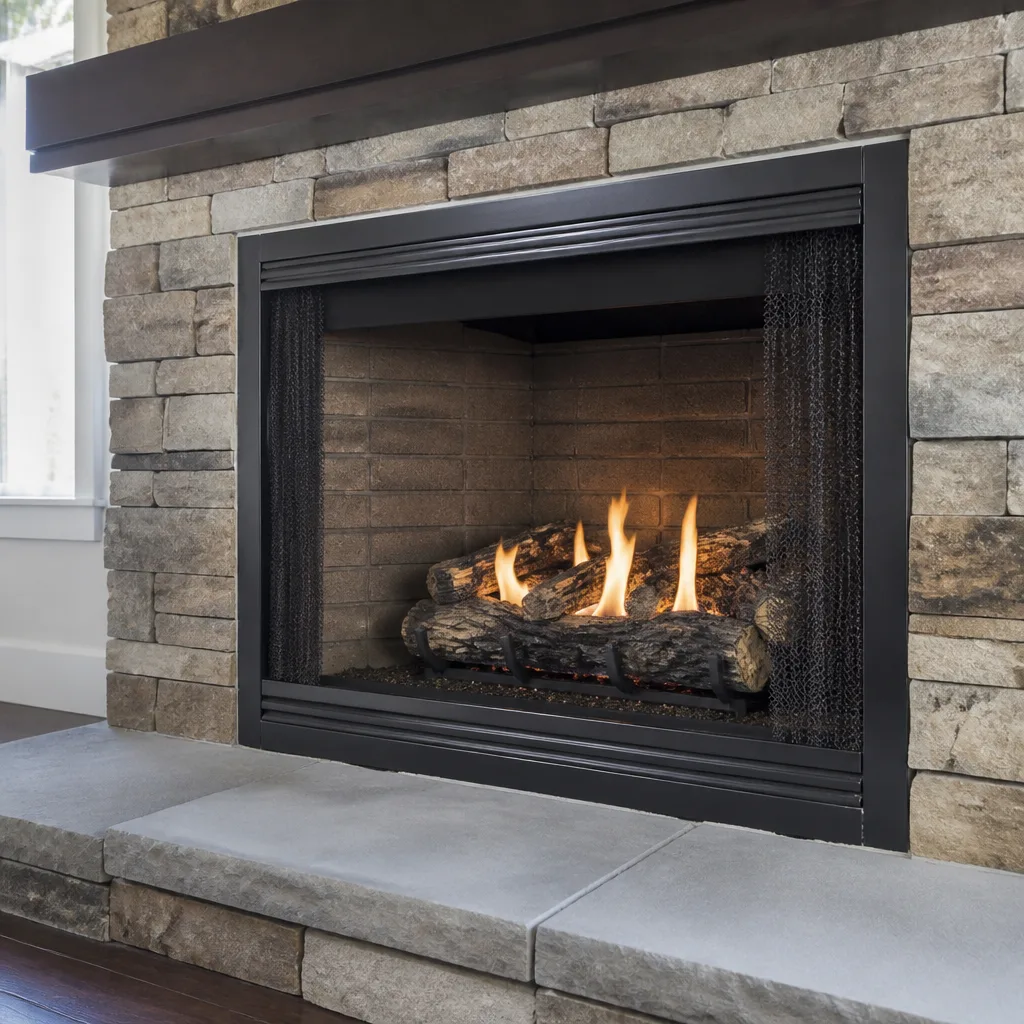 Gas fireplace service
Level 1 sweep and inspection to the NFPA 211 annual standard - flue, crown, cap, and flashing checked and photographed
Chimney sweep logs do not sweep chimneys. They loosen some creosote - which then falls where a brush and vacuum still have to collect it.
DIY vs Professional Chimney Cleaning: The Gainesville Homeowner’s Decision Guide
Most homeowners frame this decision around money: can I save a hundred dollars by buying a brush kit and doing it myself? That’s the wrong question. The better one is what a brush can actually accomplish inside your chimney versus what it leaves untouched, and in a Florida climate where humidity does quiet damage year-round, the gap between those two is bigger than most people realize. A brush removes soot. It can’t see hairline cracks in a tile liner, can’t measure draft, and can’t tell you whether moisture has weakened the mortar behind the flue. This guide draws an honest line between what’s genuinely doable on your own and what creates a false sense of maintenance, so you can decide with clear eyes here in Gainesville.
Quick Answer
Professional chimney cleaning is the right call for most Gainesville homes because a sweep is also a safety inspection, and a consumer brush kit cannot assess liner condition, draft, or moisture damage, which are the issues that matter most in Florida’s humid climate. DIY brushing is only reasonable for a gas fireplace with no liner concerns and a recent professional inspection already on file. For wood-burning and older masonry chimneys, the inspection that comes with a professional sweep is the real value, not the soot removal.
Styles & brands we work with
- Sweep & inspection
- Caps & crowns
- Flue relining
- Masonry repair
- Gas fireplace service
Table of Contents
- What a Brush-and-Rod Kit Actually Cleans
- What a Consumer Brush Physically Cannot Reach or Assess
- When DIY Is Genuinely Reasonable
- When DIY Is Genuinely Risky
- Why Humidity Makes Liner Integrity the Priority in Gainesville
- The Equipment That Makes the Diagnostic Difference
- DIY vs Professional: An Honest Cost Comparison
- How a Professional Sweep Actually Works
What a Brush-and-Rod Kit Actually Cleans
A consumer brush-and-rod kit is a simple tool: a stiff-bristle brush on flexible or threaded rods that you push up or pull down through the flue. It’s designed to do one thing well, and it does that one thing honestly. It knocks loose soot and light creosote off the flue walls it can physically touch. On a straight, unobstructed flue with no offsets, that can be a real cleaning of the surfaces in the main channel.
What most people don’t realize is how narrow that reach is. A brush cleans the flue it’s sized for and nothing else. The moment your chimney has any of the following, the brush’s coverage drops fast:
- An offset or bend in the flue. Many masonry chimneys take a slight jog. A straight rod can’t follow it, and the brush bypasses the angled section entirely.
- A smoke chamber above the damper. This sloped, corbelled space sits above the firebox and below the flue, and it’s where a lot of creosote and soot collect. A flue brush doesn’t reach into it.
- A firebox with corners and a damper assembly. Soot cakes onto the damper plate, the frame, and the shelf above it. None of that gets touched by a rod run up the flue.
- A cap and screen. If the cap is jammed with debris or a bird has nested against the screen, the brush can’t get past it from below.
- A liner with any texture or corrugation. Flexible liners, including the DuraFlex systems we install, have ridges and seams where deposits cling. A straight-bristle brush glides over them.
So a brush kit cleans the middle of the flue and leaves the edges, the transitions, and the collection points. In our experience across Gainesville homes, the soot that actually matters for fire risk is often sitting exactly where a consumer brush can’t reach.
What a Consumer Brush Physically Cannot Reach or Assess
There’s a second layer to this that has nothing to do with reach and everything to do with diagnosis. Even a brush that cleans well cannot tell you whether your chimney is safe, and safety is the real reason to service a chimney in the first place. Consider what a brush has no way to detect:
- Hairline cracks in a clay tile liner. These open the path for carbon monoxide and heat to reach combustible framing. A brush passes right over a cracked tile without a sound.
- Gaps or spalling in mortar joints. The mortar between tiles can erode, and a brush doesn’t see it.
- Creosote glazed onto the liner. Stage-three creosote is hard, shiny, and tar-like. A consumer brush skims it at best and can actually polish it into a slicker, harder surface.
- Draft problems. A brush can’t measure whether your chimney is pulling properly. A weak draft pushes smoke and carbon monoxide back into the room.
- Moisture damage behind the flue. Water intrusion and efflorescence on the masonry show up in an inspection, not a brushing.
- Obstructions. A nest, a collapsed tile, or a fallen cap can block the flue, and a homeowner running a rod from below might not realize the flue is choked.
This is why we treat every chimney sweep as a sweep plus a look at the whole system, and why we put a camera in the flue. The brushing is the easy part. The inspection is what keeps the house safe.
When DIY Is Genuinely Reasonable
We’re not going to tell you a brush kit is useless, because it isn’t. There are a few narrow situations where brushing your own flue is a reasonable choice. All of them depend on knowing what your chimney already looks like from the inside, which comes from a professional inspection.
- A direct-vent gas fireplace with no issues and no creosote. Gas appliances don’t produce creosote the way wood does. If your gas insert is vented properly, has no draft complaint, and was recently inspected, a light brushing for dust and debris is low-risk.
- A recent professional inspection already on file. If a chimney specialist inspected the flue within the past year, confirmed the liner is sound, and cleared the smoke chamber and cap, then the soot you’re brushing off in between is just maintenance. You’re topping off a known-good system, not diagnosing one.
- You have the right brush for the flue size and material. Poly brushes for stainless liners, appropriately sized to the flue, on the correct rods. The wrong brush scratches stainless and chips clay tile.
- You can see the cap and screen from the ground and they’re clear. If the top is blocked, no amount of brushing from below solves it.
Notice what all four have in common: an inspection came first. DIY brushing on an inspected, gas-only, sound-lined system is fine. DIY brushing on an unknown wood-burning chimney is guesswork.
When DIY Is Genuinely Risky
The scenarios that call for a professional are, honestly, most of the chimneys we look at in Gainesville. If any of these apply to you, plan to book a sweep rather than climb a ladder.
- You burn wood regularly. Wood creates creosote, and creosote is the fuel for chimney fires. A brush kit won’t tell you the creosote’s stage or whether it’s building in the smoke chamber.
- You’ve skipped a season or more. A chimney that’s gone a year or two without service can have deposits you can’t estimate from the firebox alone.
- The liner is old, unknown, or clay-tile. Clay tile cracks over time. You cannot see the cracks from below, and you can’t feel them with a brush.
- You smell smoke or odor in the house. That’s a draft or pressure problem a brush won’t touch.
- You’ve seen water stains, rust, or white crusty buildup. That’s moisture damage, which is an inspection and repair matter.
- There’s a wood or masonry cap without a screen, or an animal around the flue. Nesting material is a fire risk and needs clearing from the top, plus a proper cap.
- You have a gas insert with a liner you’ve never had inspected. Gas systems vent less debris but can still corrode or fail, and that requires a look with a camera.
On the ladder question: a good part of a professional sweep happens from the roof or from the top of the flue, and roof work is where falls happen. If your chimney service involves climbing, that’s a genuine reason to call someone trained for it rather than attempt it yourself.
Why Humidity Makes Liner Integrity the Priority in Gainesville
Here’s the part most national chimney guides get wrong for this part of Florida. Up in the cold states, the whole conversation is creosote and fire risk, because the burning season is long and heavy. In Gainesville the winters are short and mild, and many homes burn a fraction of what a northern house does. Creosote still matters, but it’s not the leading concern for most local chimneys. Moisture is.
Gainesville’s humidity is high most of the year, and that humidity doesn’t take the summer off inside your chimney. It works on the mortar joints between clay tiles. It condenses on the cooler flue walls. It drives efflorescence out through the masonry, where the salt crystals push and spall the surface. Water gets behind the flue, and over a few humid seasons the liner and the crown and the mortar all age faster than they would in a dry climate. A homeowner who thinks the chimney is fine because the soot is low can miss a liner that’s cracking or mortar that’s crumbling, and the only way to know is to look with a camera.
This is why the liner condition, not just the creosote level, is the higher diagnostic priority when we assess a Gainesville chimney. And it’s why a brush kit, which can remove soot but can’t assess moisture damage, gives a false sense of maintenance. You can brush a wet, cracking liner and feel good about it right up until the flue fails.
It’s also why we push moisture out of the equation with a proper cap. We fit chimney repair work with Gelco and Famco caps and covers so rain and animals stay out of the flue rather than feeding the damage. A cap costs less than a liner and does more for the long-term life of the chimney than a brush ever will.
The Equipment That Makes the Diagnostic Difference
What you’re paying for in a professional sweep isn’t just a bigger brush. It’s the toolkit that lets a specialist see and measure what a homeowner can’t. Here’s what a proper company brings and why each piece matters.
- Rotary whip systems. These are motorized whips fitted to the flue, and they clean with more contact and pressure than a hand brush. They clear glazed creosote and textured liner surfaces that a straight brush skims. On a stainless flexible liner, that matters because a hand brush leaves deposit in the corrugations.
- Video inspection cameras. A camera on a rod is run up the flue and the feed is watched in real time. This is how cracks in tile, gaps in mortar, and the state of a liner are actually seen. A camera is the difference between a guess and a photo report you can look at.
- Draft pressure gauges. Draft is measured, not assumed. A gauge tells you whether the chimney is pulling properly and whether the smoke chamber is doing its job, which is the behind-the-scenes reason a fireplace smokes into the room.
- Proper HEPA vacuums and containment. A professional sweep contains soot with high-filtration vacuums so the house isn’t coated in fine ash. A homeowner sweeping from below without containment will have a mess in the room.
- Liner and repair materials. When the camera finds a liner problem, the same visit should be moving toward a solution. We work with professional-grade systems trusted by certified chimney specialists, and we’re set up to install or service DuraFlex flexible liner systems and to use HeatShield for liner restoration. HeatShield resurfacing is a repair-tier option that extends liner life without the cost of full relining, and it’s something most local competitors don’t offer.
You get this full arc, inspection, sweep, and repair, handled start to finish. You’re not coordinating a sweep from one company and a liner job from another.
DIY vs Professional: An Honest Cost Comparison
Now the money part, done straight. There’s a common claim that DIY saves you money. Sometimes it does. But the math only favors DIY if your chimney is in the narrow DIY-OK category above, and if you assign zero value to the inspection a professional sweep includes. Let’s look at the real variables on each side.
- DIY kit cost. A consumer brush-and-rod kit runs in the low tens of dollars at a hardware store, sometimes more for a set with a drill attachment and rods. That’s a one-time purchase you’ll use once or twice a season.
- Time. Brushing a flue from below takes a homeowner an hour or more with setup and cleanup. Doing it properly from the roof is longer and carries a fall risk.
- Risk. The hidden cost of DIY is what gets missed. A cracked liner or stage-three creosote you can’t see can lead to a chimney fire or carbon monoxide exposure, and those are expensive and dangerous problems, not minor ones. You can’t put a dollar figure on a missed hazard, which is exactly the point.
- Professional sweep. A professional chimney sweep in the Gainesville market typically runs somewhere in the low-to-mid hundreds of dollars for a standard wood-burning chimney, and that price includes the inspection and a camera-based report. Pricing is per job by a written estimate, and the estimate is free.
- What the professional price buys. The sweep plus the inspection plus the documentation. You’re paying mostly for the diagnosis, which is the part DIY genuinely can’t deliver.
So when does the math actually favor doing it yourself? When you have a recent professional inspection on file, your chimney is a clean-burning gas system, and you’re brushing off light soot between professional visits. In that narrow window, the kit pays for itself. For a wood-burning or older masonry chimney where you don’t know the liner’s condition, the professional sweep is the cheaper insurance: you’re paying to find out what’s wrong before it becomes a repair bill.
How a Professional Sweep Actually Works
If you’ve never had a professional sweep, here’s the sequence a reputable company follows so you know what to expect, what gets checked, and why you’re not just paying for a brush.
- We talk through the chimney and the house first. What you burn, whether there’s an insert or a gas appliance, any draft complaints, water stains, or odor. That shapes the inspection before a tool comes out.
- We protect the work area. Drop cloths and a HEPA vacuum go down so soot stays contained, not in your living room.
- We sweep the firebox, damper, smoke chamber, and flue. The flue gets the rotary whip, and the parts a hand brush misses get cleaned properly.
- We run the camera. The video inspection is where the real information comes from. We look at the liner, mortar joints, and the smoke chamber, and we show you what we see.
- We check the cap and screen and measure draft. We confirm the top of the chimney is clear and capped properly, and the draft gauge tells us the flue is pulling.
- We give you a clear report and a written estimate. You see the evidence, you see what’s needed, and you see what can safely wait. The estimate sets the final price, and nothing gets recommended without the camera footage to back it up.
That’s the standard we hold to at Gainesville Chimney Cleaning. We’ll tell you exactly what your chimney needs, and what it doesn’t. If the camera shows a sound liner and the chimney can safely wait another season, we say so. If it shows a liner our HeatShield restoration can save without a full reline, we lay out that option. The point is that you decide on evidence you can see, not on a sales pitch.
Common Mistakes to Avoid
- Assuming low soot means a safe chimney. A lightly-sooted flue can hide a cracked tile liner that has nothing to do with how often you burn. You can’t judge the liner by how much soot you see.
- Skipping the inspection because you brushed it yourself. The brush is not the inspection. If your only service for the year was a DIY brushing, you learned nothing about your liner or draft.
- Using the wrong brush on a stainless liner. A stiff brush can scratch a flexible liner. Poly brushes are correct for stainless; the wrong one wears the surface.
- Forgetting the smoke chamber and cap. So much of the creosote and debris lives above the damper and at the cap screen, and a flue-only brushing misses both.
- Leaving the flue uncapped in a humid climate. An open flue invites rain and animals straight into the flue, and in Gainesville’s humidity that moisture drives the damage that cracks liners and spalls mortar. A proper Gelco or Famco cap is the fix.
- Cleaning the chimney before a professional inspection instead of after. Brush first and you may just move the soot the inspector needed to see to judge the liner. Get it checked, then maintain.
- Ignoring an odor or a smoking fireplace as a “brush” problem. Odor and smoke in the house are usually draft, moisture, or a blocked flue, none of which a brush solves.
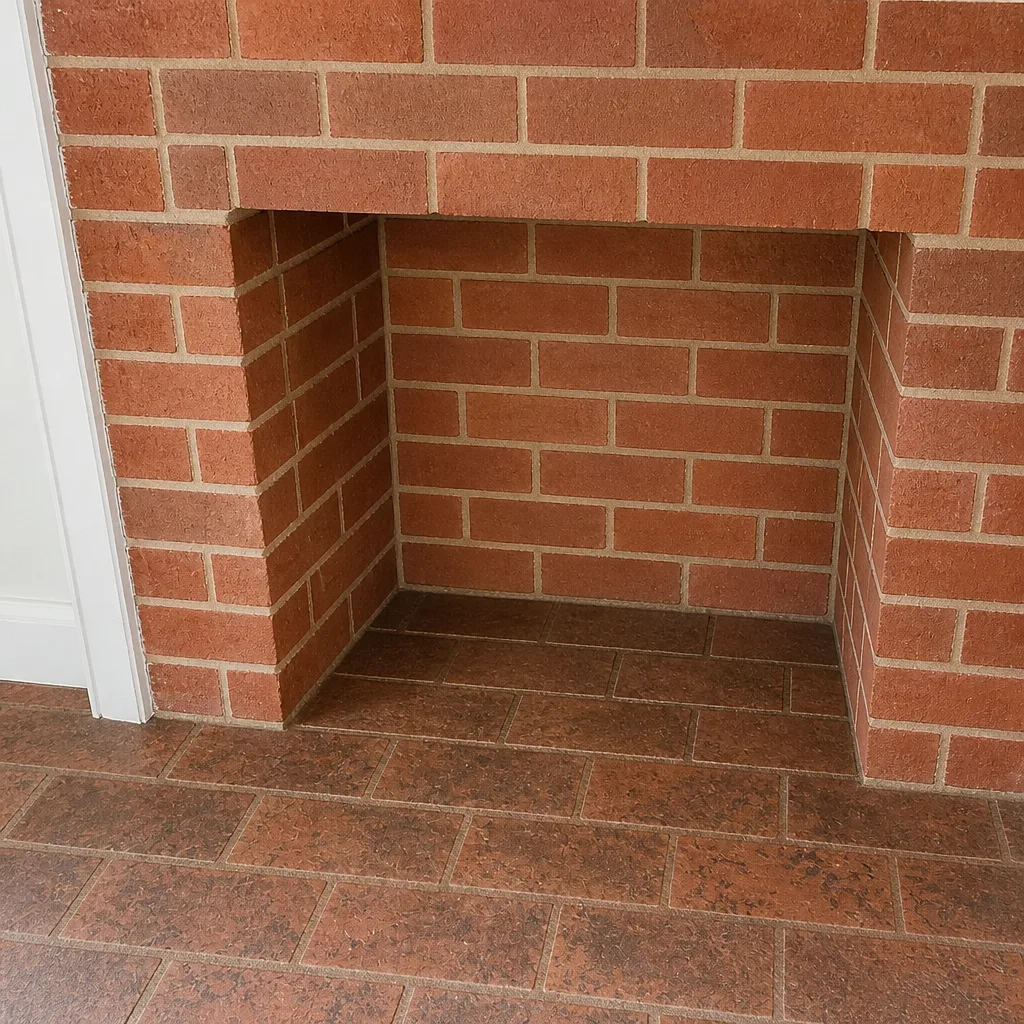
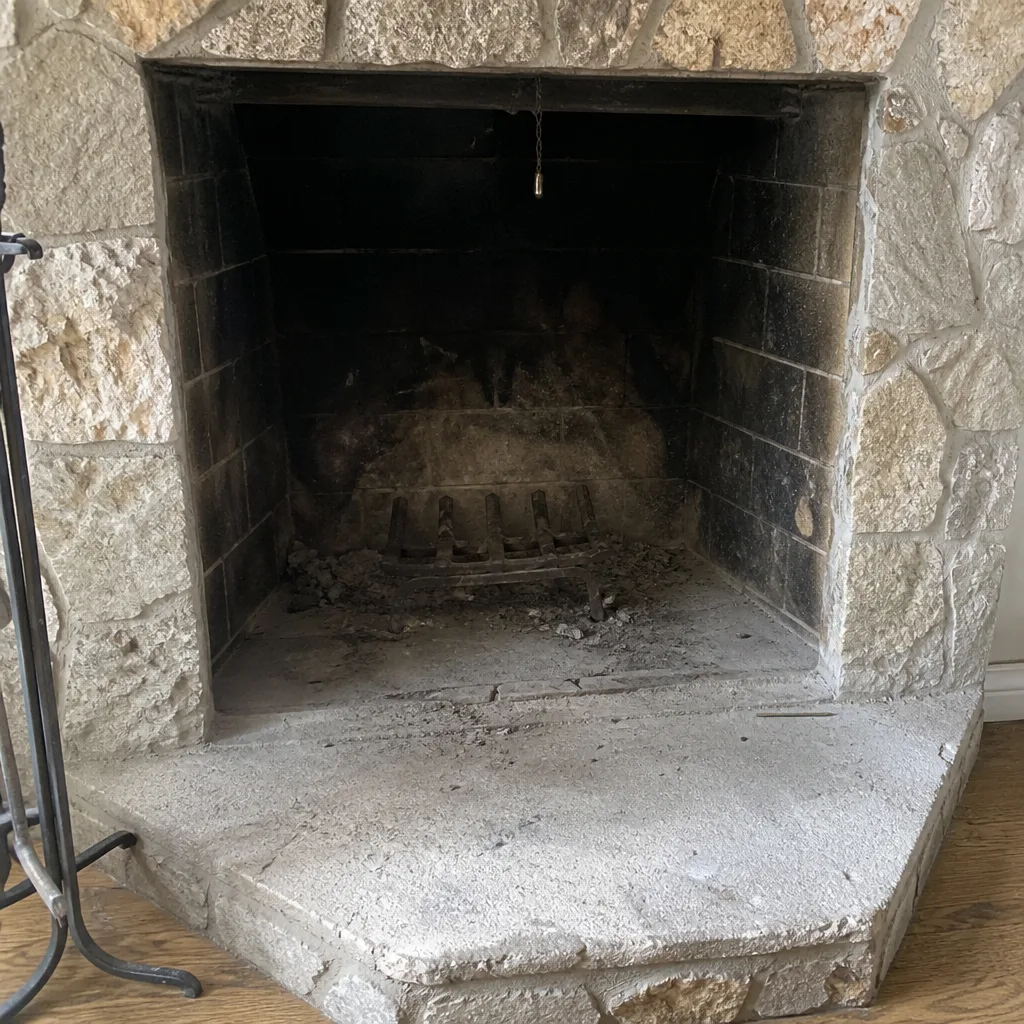
See the difference
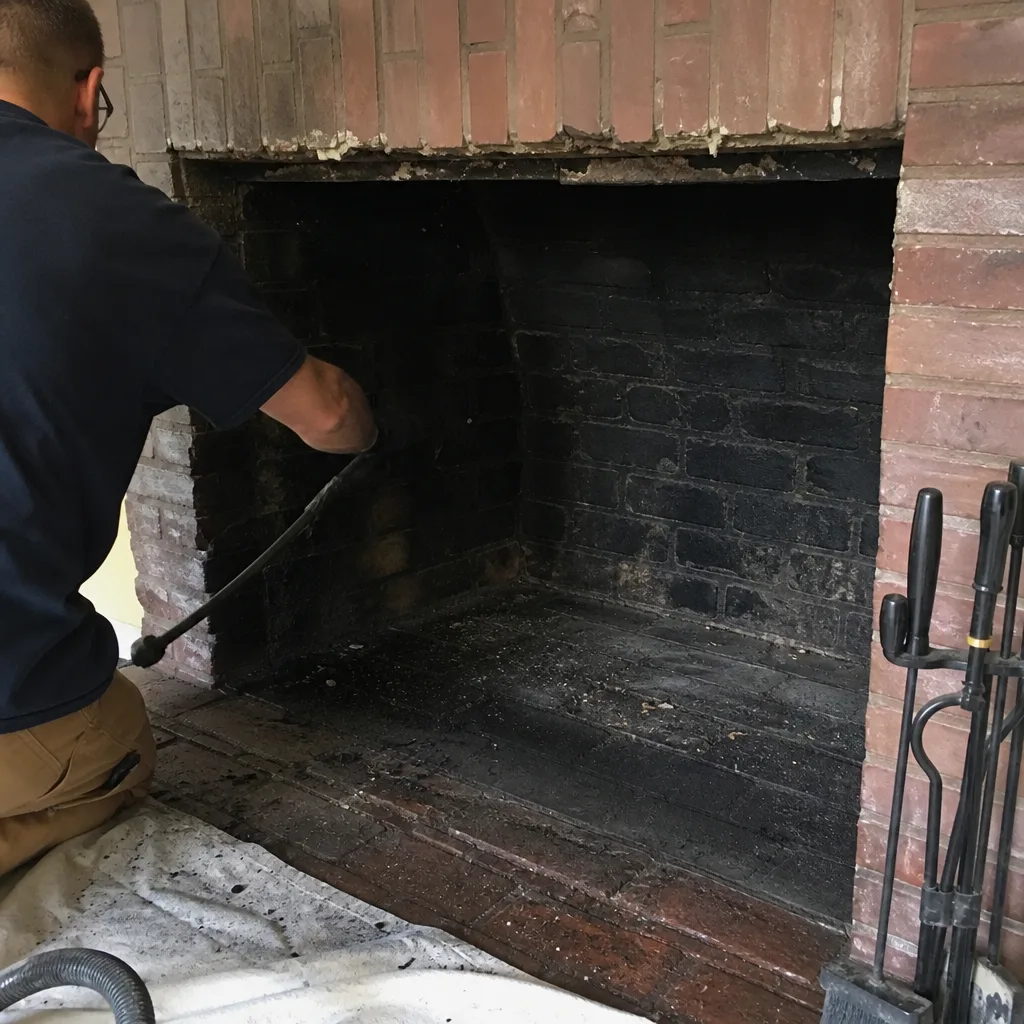 Before
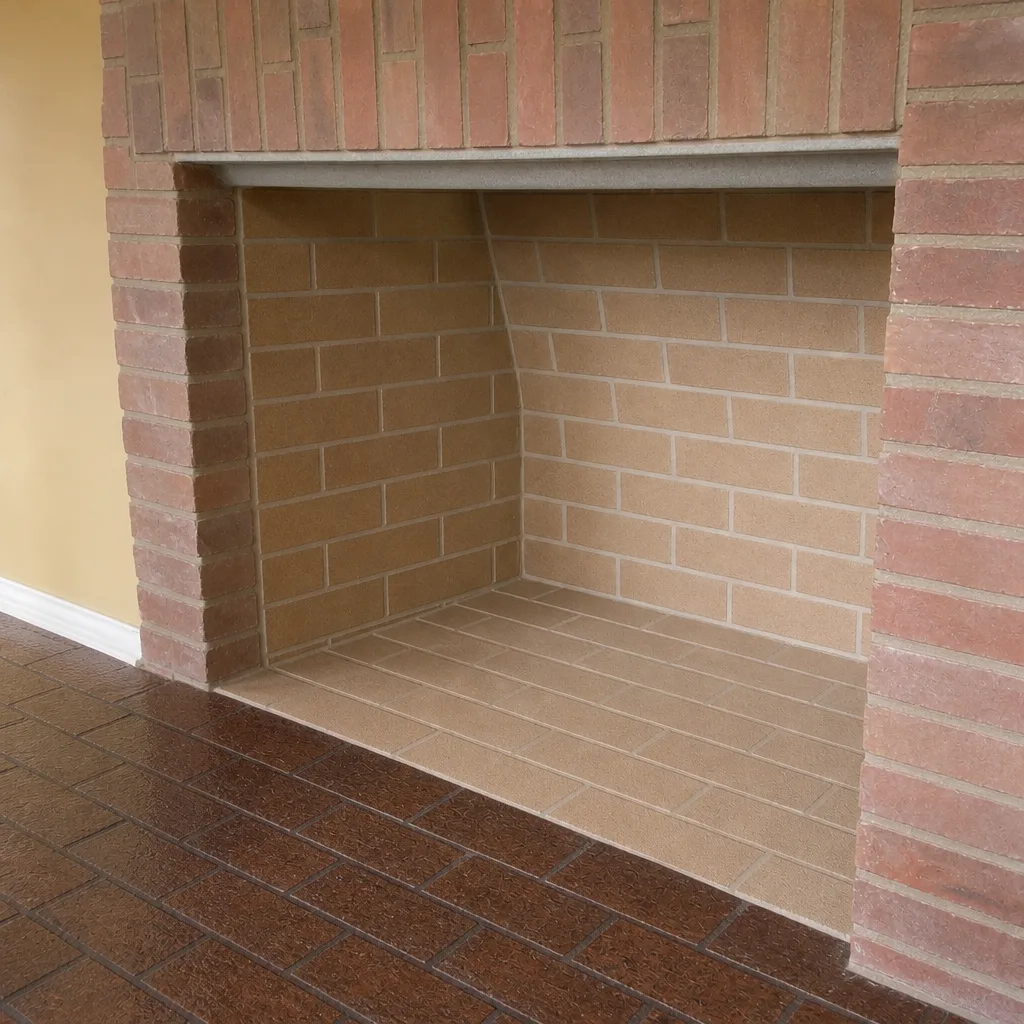 After
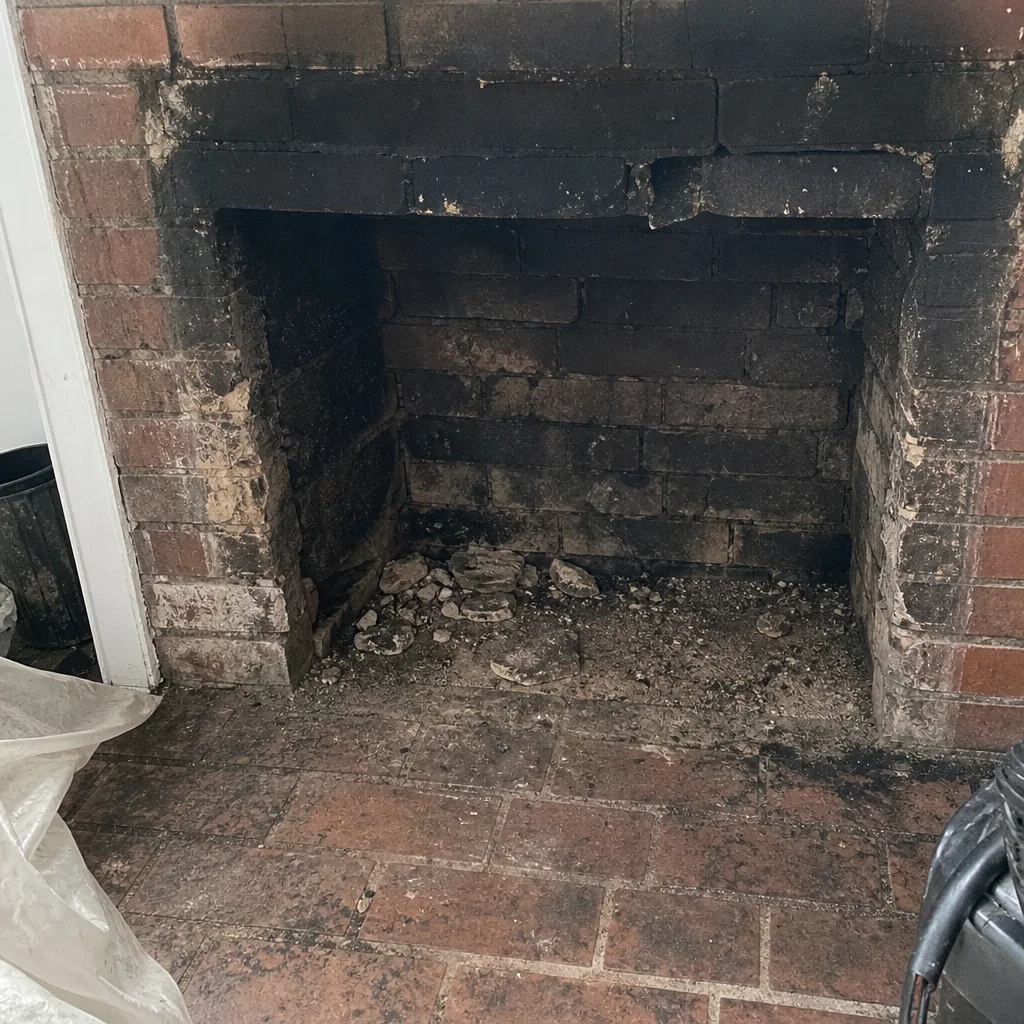 Before
 After
 Before
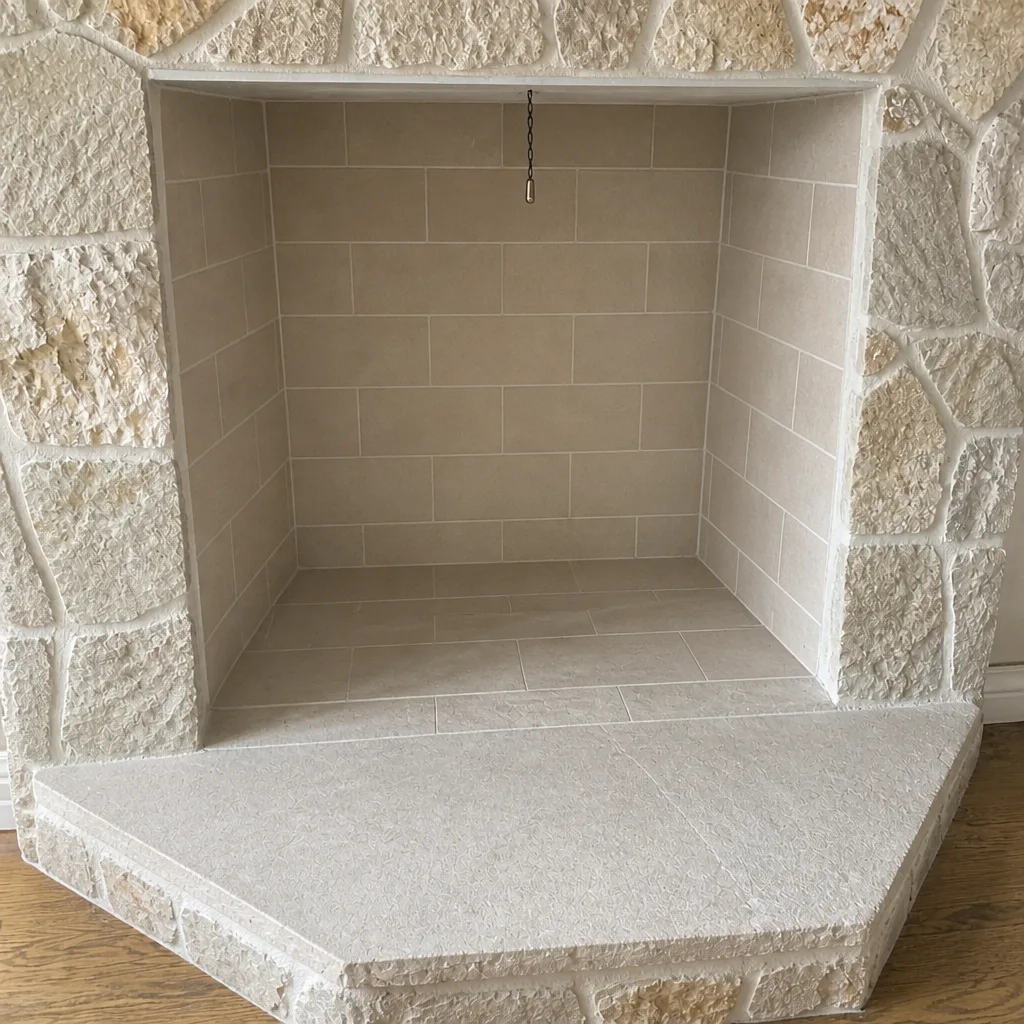 After
When to Call a Professional
Call a professional whenever you burn wood, whenever the liner is old or unknown, whenever you smell smoke or odor indoors, and whenever you simply haven’t had the chimney inspected in a while. A chimney specialist also belongs on the job the moment you see water stains, rust, or crusty white buildup on the masonry, because that’s moisture damage and it needs diagnosis, not brushing. If you’re not sure the liner is sound, the camera settles it in a single visit. In our experience, most Gainesville homeowners who think they’re facing a fat DIY bar tab are really facing a “I don’t know what’s in my flue” problem, and a sweep finds out. Gainesville Chimney Cleaning offers free estimates in Gainesville. Call (844) 834-5386. We answer 24/7, with fast dispatch from 7am to 7pm, Sunday through Friday.
Frequently Asked Questions
You can brush your own flue, but you can’t inspect it, and the inspection is the part that keeps your home safe. A brush kit removes loose soot but cannot see cracks in the liner, measure draft, or find moisture damage. DIY brushing is reasonable only for a gas fireplace in good shape with a recent professional inspection on file. For most wood-burning and older chimneys in Gainesville, the professional sweep is the safer way to go because it includes the camera inspection. Call (844) 834-5386 for an exact quote, and estimates are free.
A standard professional chimney sweep in the Gainesville market typically runs somewhere in the low-to-mid hundreds of dollars, and that price includes the inspection and a camera-based report. The written estimate sets the final price, and the estimate itself is free. A DIY kit costs far less, but it doesn’t include the diagnosis, which is the expensive part to get wrong. Call (844) 834-5386 for an exact quote.
Not always, and nobody should tell you otherwise without evidence. A liner needs replacing only when the camera shows it’s failed: cracked tile, open joints, or a liner that’s past saving. In some cases restoration, not replacement, is the right move, and HeatShield resurfacing can restore a liner at lower cost than full replacement. The rule here is simple: nothing is recommended without camera footage you can see for yourself. Call (844) 834-5386 for a free inspection estimate.
For a wood-burning fireplace, a sweep with an inspection once a year is the standard, based on how much you burn. Because Gainesville’s winters are short and mild, many local homes burn lightly, which means creosote builds slowly but moisture damage keeps moving regardless of how little you burn. For gas inserts and appliances, the schedule depends on the appliance and the liner. A professional inspection tells you the real interval for your chimney. Call (844) 834-5386 to book one.
Skipping service lets two risks build at once, and both are quiet. Creosote in a wood-burning chimney accumulates and can ignite, causing a chimney fire, and a failing liner can let carbon monoxide reach living spaces. In Gainesville’s humidity, moisture also keeps working on the masonry, so spalling mortar and cracking tile get worse over time with no visible sign inside the house. A sweep plus an inspection catches these before they turn into a repair bill. Call (844) 834-5386 for a free estimate.
No, a consumer brush cannot remove glazed, stage-three creosote, and it can actually polish the surface into a harder, slicker coating. Glazed creosote needs a rotary whip system and a specialist’s tools to clear properly. That’s the physical limit of a brush kit, and it’s why we bring rotary equipment to every job. If you’ve been burning wood and haven’t had a sweep, call (844) 834-5386 for a free estimate.
The Bottom Line
The DIY chimney debate is really a question of capability, not cost. A brush kit cleans the middle of a flue, and for a clean gas system with a recent inspection, that’s a reasonable bit of maintenance. For a wood-burning or older masonry chimney in Gainesville, the brush removes soot but misses what actually matters in this climate: liner condition and moisture damage, which only an inspection with a camera can assess. A professional sweep is mostly a diagnostic, and that’s what you’re paying for. Get the inspection first, then decide what’s truly DIY-able. If you want the straight answer about your chimney, the team at Gainesville Chimney Cleaning is here to give it, and we’ll tell you what your chimney needs and what it doesn’t.
Book a sweep, an inspection, or a repair with Gainesville Chimney Cleaning. Inspection, sweep, and repair, handled start to finish, with professional-grade materials and photos you can see for yourself. Call (844) 834-5386 for a free estimate. We answer 24/7, with fast dispatch from 7am to 7pm, Sunday through Friday.
Written by the team at Gainesville Chimney Cleaning.