
Last updated November 15, 2026
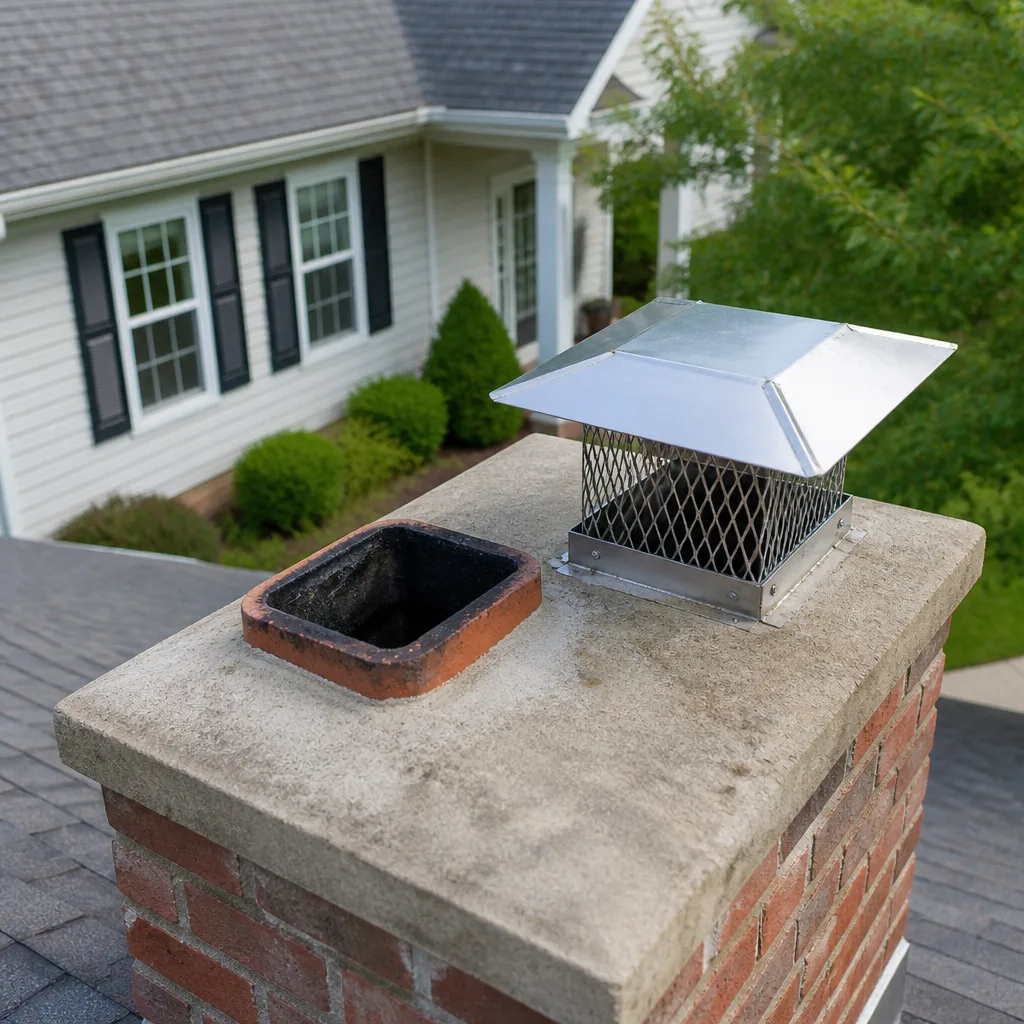 Sweep & inspection
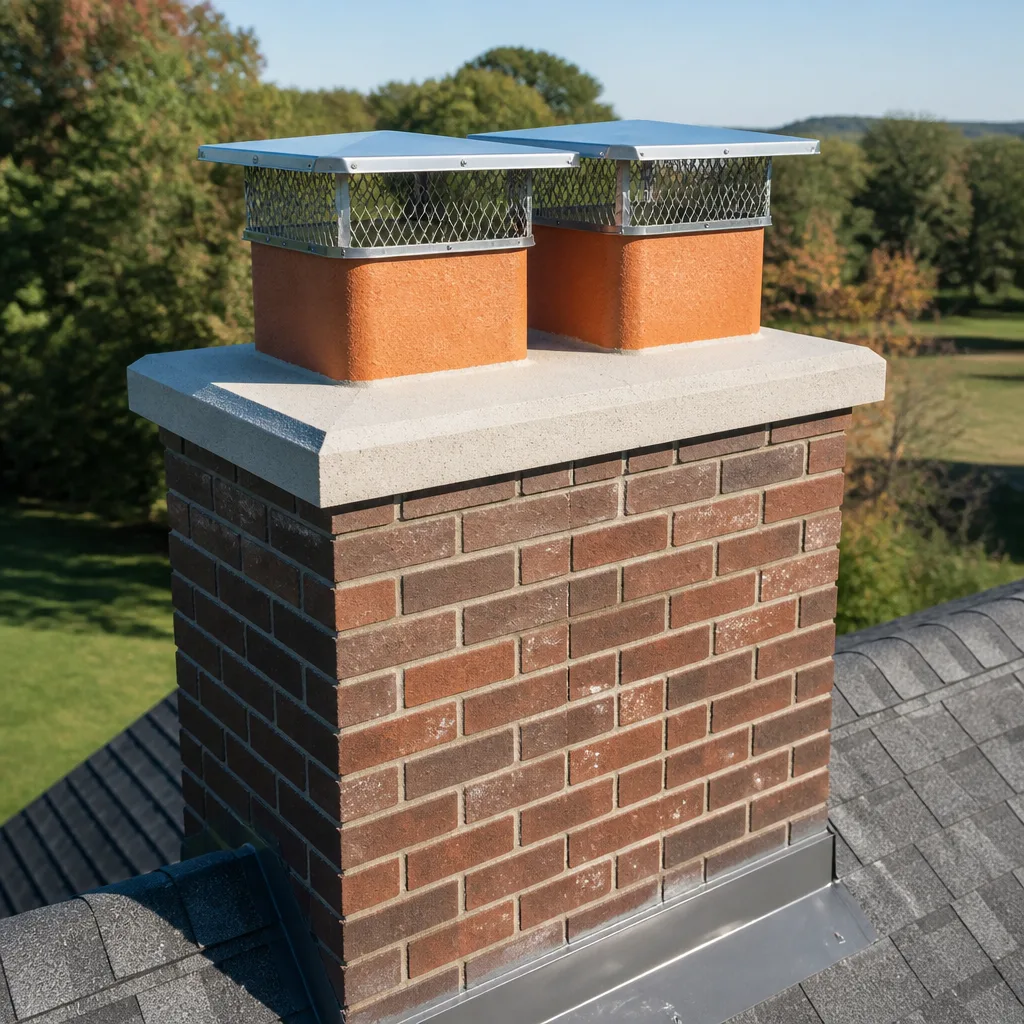 Caps & crowns
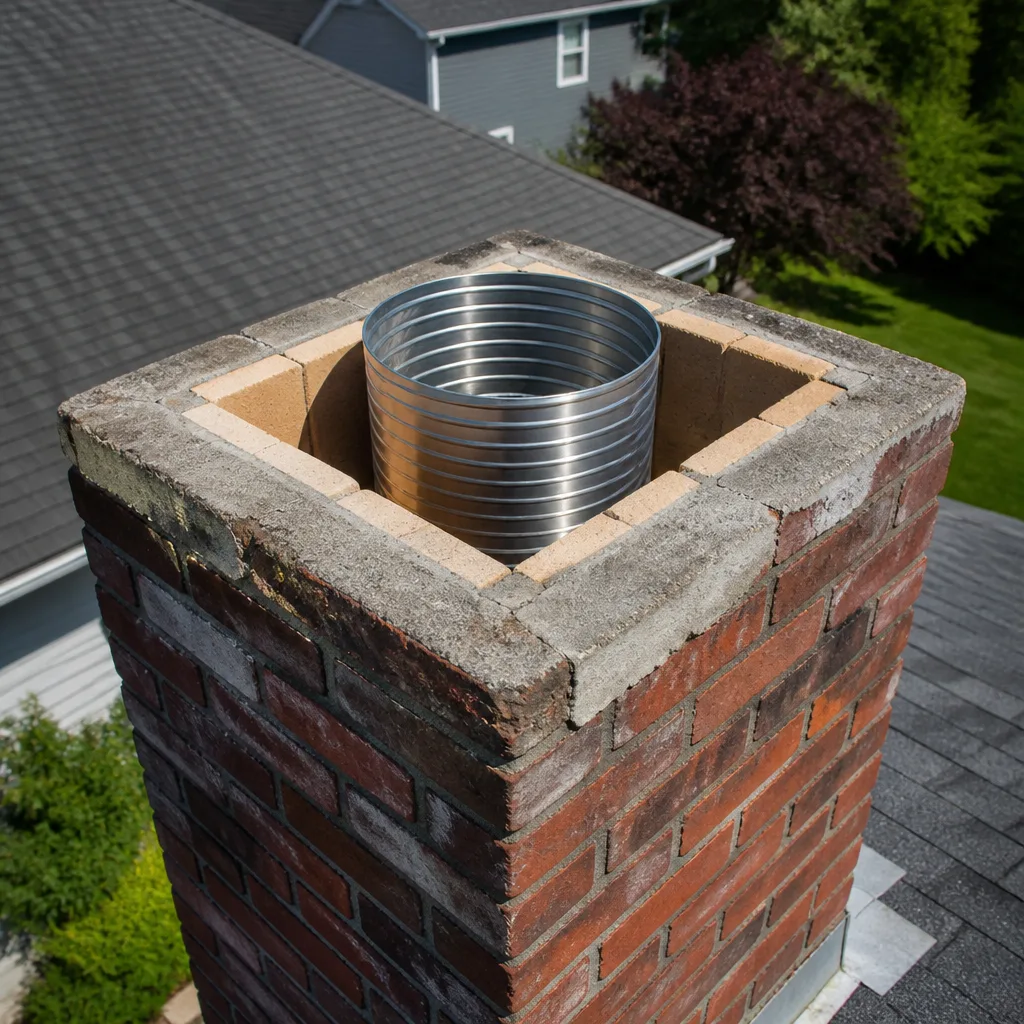 Flue relining
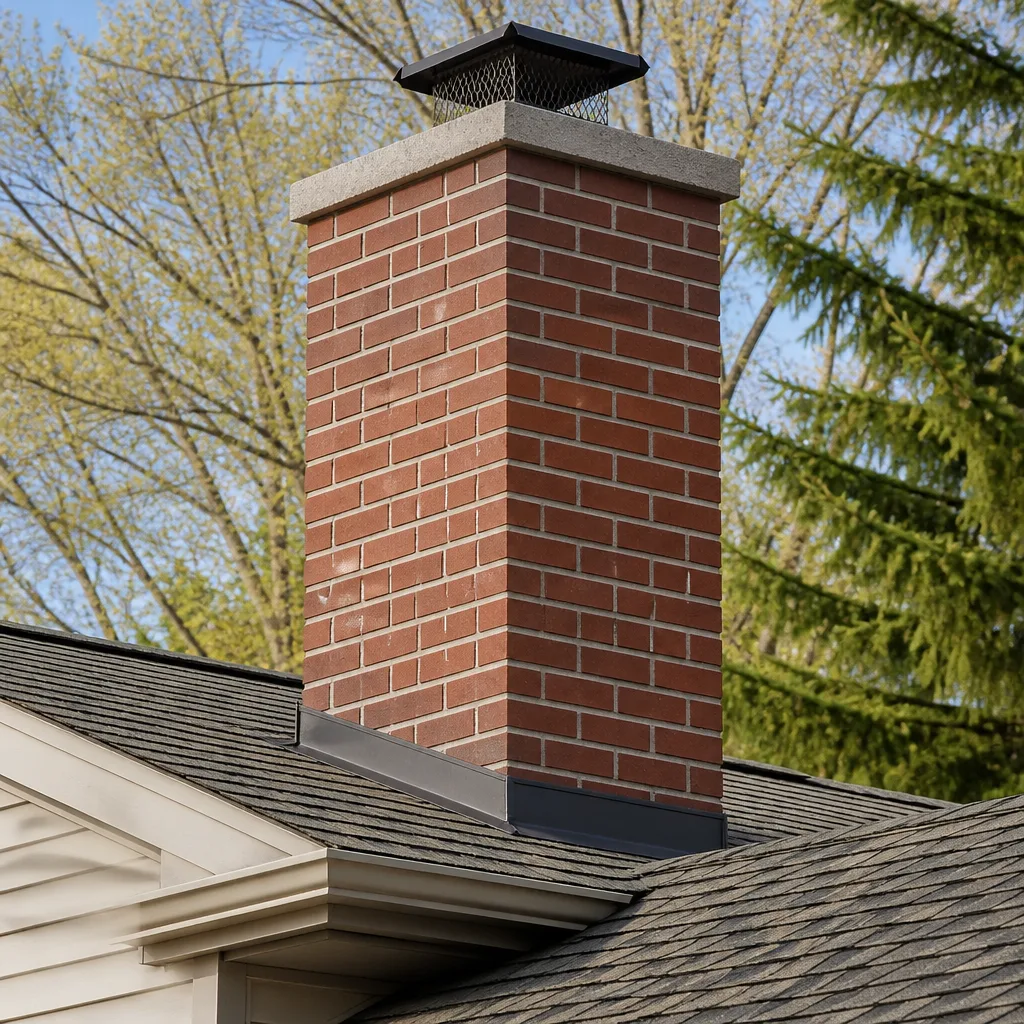 Masonry repair
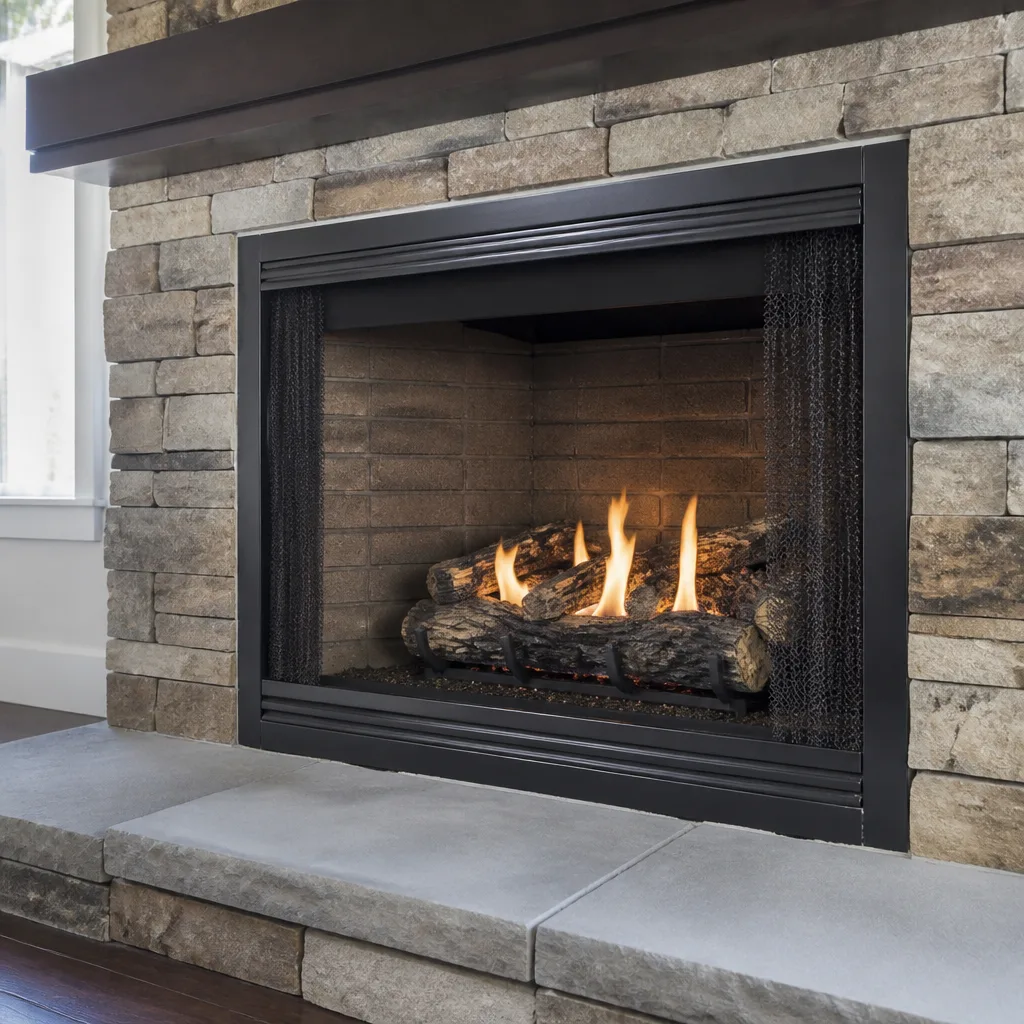 Gas fireplace service
Level 1 sweep and inspection to the NFPA 211 annual standard - flue, crown, cap, and flashing checked and photographed
Chimney sweep logs do not sweep chimneys. They loosen some creosote - which then falls where a brush and vacuum still have to collect it.
Chimney Cleaning Emergency Preparedness Guide for Gainesville Homes
Most chimney emergencies in North Central Florida don’t start with flames shooting out of the roof. They start quietly, months earlier, when a named storm strips a cap off a flue and nobody looks up. That’s the misconception this guide sets out to correct: the chimney threat most likely to affect a Gainesville home isn’t a house fire, it’s a slow decline that goes unseen until the first cold night. What follows is a practical framework for the scenarios this region actually produces, from hurricane-force wind to a hard freeze after a long idle season, so you can plan ahead instead of reacting. We’ll cover storms, lightning, cold snaps, chimney fires, insurance, and what to do first.
Quick Answer
Emergency chimney preparedness in Gainesville means preparing for three likely events, not the dramatic ones: storm or high-wind damage to the cap, crown, and flashing; a lightning strike that cracks masonry or dislodges a liner; and a sudden hard freeze after months of disuse that can crack a chimney unseen. The right response is a documented inspection before the heating season and again after any named storm, a clear understanding of who to call and in what order, and knowing what your insurance policy requires as proof. A professional inspection with camera evidence tells you what’s actually happening inside your flue, so you act on facts rather than guesses.
Styles & brands we work with
- Sweep & inspection
- Caps & crowns
- Flue relining
- Masonry repair
- Gas fireplace service
Table of Contents
- Post-Storm Chimney Damage in Gainesville: What to Check First
- Lightning Strikes and Chimney Masonry: The Hidden Damage
- Recognizing a Chimney Fire: What It Looks, Sounds, and Smells Like
- Managing a Hard Freeze After a Long Idle Season
- Pre-Storm Preparation: Cap, Damper, and Firebox
- Emergency Contacts and Documentation Your Insurer Expects
- Why Camera Evidence Changes the Conversation
- Building a Yearly Preparedness Calendar
Post-Storm Chimney Damage in Gainesville: What to Check First
After any named storm or high-wind event moves through North Central Florida, the chimney is one of the last things homeowners check and one of the first things that fails. Wind-driven debris and pressure changes tear at caps, crowns, and flashing before they touch anything else on the exterior. The damage rarely announces itself. A missing cap or a lifted flashing edge is easy to walk past, and most people don’t notice until they light a fire weeks or months later and smell smoke where smoke shouldn’t be.
Here’s the order we recommend for a post-storm walk-around. Do this from the ground with binoculars first, before anyone goes on the roof:
- Look at the cap. Is it still seated squarely on the flue? A tilted or missing cap means water, birds, and debris have an open route into the flue.
- Check the crown. The crown is the concrete or mortar top that sheds water away from the chimney. Look for new visible cracks or pieces of it on the roof or ground below.
- Inspect the flashing. The metal where the chimney meets the roof is the most common leak point. Look for gaps, lifted edges, or displaced metal.
- Scan the masonry. New cracks in the brickwork, especially near the top, indicate movement from wind loading.
- Look for downed debris. Branches and roofing nails jammed against the chimney tell you the wind was strong enough to have caused damage you can’t see.
Anything you can’t verify from the ground is worth a professional look. We offer a chimney inspection that includes camera footage of the flue, so you’re not relying on a guess from the yard. Storm damage in this climate is common enough that we treat every named storm as a reason to re-inspect, not just the big ones. A $40 cap that comes off in a 60-mph gust can cost far more in water damage to your firebox and liner by the time it’s discovered. If you’re not sure whether the storm touched your chimney, assume it might have and get it checked.
Lightning Strikes and Chimney Masonry: The Hidden Damage
Lightning is the quieter emergency in a Gainesville chimney. When a strike hits a chimney, the damage isn’t always visible from the ground. The bolt can travel down the masonry and cause spalling, cracking in the inner flue, or a dislodged liner component. It can also arc into the framing around the chimney, which is why a lightning-related chimney inspection is worth doing even when nothing looks wrong.
North Central Florida sees some of the densest lightning activity in the country during the summer storm season, so this isn’t a hypothetical here. The signs to look for after a close strike or a storm overhead:
- Spalling brick. Chunks of the brick face flaking or popping off are a sign of internal moisture or heat stress from a strike.
- New cracks in the flue tiles. Only visible with a camera inspection, which is why a strike is one of the clearest reasons to schedule one.
- Discoloration around the cap or crown. Scorch marks or melted components indicate the strike passed through the chimney assembly.
- Smoke or draft changes. A flue that suddenly drafts poorly after a storm may have a shifted liner or debris blocking the flow.
We’ve seen enough lightning-struck chimneys to know that the visible damage is often the smaller part of the story. A professional inspection with camera evidence is the only way to know what the strike did inside the flue. If your home took a nearby strike or you’re not sure, don’t wait for a problem to announce itself. Liners, caps, and crowns are the parts most likely to show lightning damage, and those are exactly the components we check line-by-line in a storm-related inspection.
Recognizing a Chimney Fire: What It Looks, Sounds, and Smells Like
A chimney fire is not always the roaring, spark-shooting event people picture. Many are slow-burning events that sound and smell more than they blaze, and that’s actually what makes them dangerous: homeowners miss them because they’re waiting for something dramatic. A chimney fire happens when creosote deposits inside the flue ignite. The fire can be brief and self-extinguishing or prolonged and destructive, and the damage it does to the flue depends on how much creosote was present.
Here is what to watch for, in the order the signs usually appear:
- A low, rumbling roar. It may sound like a distant train or a low jet engine rather than a crackle.
- A loud popping or tapping. This is often creosote flakes igniting and expanding.
- Dense, dark smoke from the top of the chimney. Sometimes with visible sparks or glowing embers.
- A sharp, hot, acrid smell inside the house, distinct from the normal smell of a wood fire.
- A sudden roaring draw up the flue, like a blast of air being pulled upward.
The correct immediate response sequence, assuming the fire is confined to the chimney and the house is not involved:
- Get everyone and pets out of the house and call the fire department. Don’t wait to see if it’s “just a small one.”
- Close the fireplace doors or damper if you can do so safely. This limits the air feeding the fire.
- Don’t throw water on it. A sudden temperature change can crack the flue tiles and cause more damage.
- Leave the house and wait for the fire department. Do not re-enter until they’ve cleared it.
- Have the chimney professionally inspected before using the fireplace again. Even a small chimney fire can crack the liner, and a cracked liner is a carbon monoxide risk.
If you’ve had any of these signs, schedule a chimney inspection before your next fire. The damage is not always visible from the outside, so the check has to happen inside the flue.
Managing a Hard Freeze After a Long Idle Season
Gainesville winters are mild, but a hard freeze does happen, and that’s exactly the scenario where the chimney is most vulnerable. A chimney that has sat unused through a hot, humid North Central Florida summer has absorbed moisture into its masonry. When a rapid cold snap follows, that moisture expands as it freezes, and the pressure can crack masonry, spall bricks, or damage the flue liner. It’s not the dramatic “frozen pipe” scenario from colder climates; it’s a slow, hidden stress that shows up later as a draft problem or a smell.
If a hard freeze is in the forecast and your fireplace hasn’t run since last season, take these steps before you light it:
- Don’t light the first fire of the season after a hard freeze without a recent inspection. Cold weather is exactly the wrong time to discover a cracked liner.
- Have the flue checked for debris. Summer storms and animal activity can leave nests or leaves that block the flue.
- Open the damper fully and confirm it moves freely. A stuck damper in freezing temperatures is a sign of a problem, not just a nuisance.
- Watch the fire for the first hour. A fire that smokes back into the room or draws poorly is telling you the flue is compromised.
- Keep a carbon monoxide detector in the room. A cracked or damaged liner can vent CO into the house, which is why an audible CO alarm belongs anywhere there’s a fireplace.
If you skipped a season or two of service, this is the exact moment the risk is highest. A chimney sweep before the first cold front removes the creosote load that makes a chimney fire more likely on that first cold night. It’s also the season when schedules fill up, so book the sweep before the freeze, not after.
Pre-Storm Preparation: Cap, Damper, and Firebox
Half the storm damage we see in Gainesville could have been prevented with a few minutes of preparation before the storm arrived. The three components that take the most wind and water damage are the cap, the damper, and the firebox. Preparing them ahead of a named storm or a major weather event limits the structural damage and makes the post-storm check faster.
Here’s the pre-storm checklist:
- Confirm the cap is secure. If it’s loose, have it re-seated. A secure cap is the single best defense against wind-driven rain and debris. If the existing cap is worn or ill-fitting, we source Gelco and Famco caps and covers so your replacement fits the flue exactly, not the one-size-fits-most hardware store version.
- Close the damper. A closed damper keeps water and debris out of the firebox during heavy rain and wind.
- Clear the firebox of ash and debris. Wet ash is harder to clean and can hold moisture against the firebox walls.
- Check the flashing. If you’ve had a leak in the past, the flashing is the place to re-check before a major storm, not after.
- Document the current condition. A few photos of the cap, crown, and flashing before the storm give you a baseline to compare against afterward, which matters if you file an insurance claim.
One more thing about the cap: if it’s already missing or has been gone for a while, the storm isn’t the main problem, the open flue is. Rain, birds, and debris find their way in, and the longer the cap is off, the more likely you’ll need a chimney repair instead of just a replacement cap. If your cap is older or damaged, this is the storm season to replace it.
Emergency Contacts and Documentation Your Insurer Expects
When a chimney emergency happens, the two things homeowners regret most are not having a call list ready and not having documentation their insurer accepts. Both are avoidable with a few minutes of planning. Here’s who to call and in what order:
- Fire department (911) if there’s an active fire, smoke, or visible danger. Call first, without exception.
- Your insurer’s claims line to open a claim and get the specific documentation requirements for your policy. Ask what they need for chimney-related claims before you hire anyone.
- A chimney specialist for a documented inspection with camera evidence. The inspection report is the record your insurer will want, so get it in writing with photos.
What your policy likely requires before repairs: the inspection report, photos of the damage before any work begins, and sometimes a second estimate. Most homeowner policies cover sudden damage like storm or lightning, but not damage caused by deferred maintenance, so the inspection that shows the timeline matters. If you’ve had a recent sweep or inspection, that record becomes your evidence of the chimney’s condition before the event.
Keep a simple folder, physical or digital, with your chimney’s inspection reports, sweep records, and recent photos. When you’re standing in the yard after a storm trying to remember what your chimney looked like before, that folder is worth more than any advice we could give you on the spot.
Why Camera Evidence Changes the Conversation
The real hesitation in chimney work is being told you need expensive repairs you have no way to verify. That’s a fair hesitation, and it’s the reason we lead with the camera. A professional inspection with camera evidence shows you what’s actually happening inside the flue on a screen you can see. You’re not taking our word for it; you’re watching the footage with us. That changes the conversation from “trust me” to “here’s what we found.”
What a proper inspection checks:
- The flue liner for cracks, gaps, and creosote buildup that could feed a chimney fire.
- The cap and crown for storm and wind damage.
- The firebox and damper for cracks and function.
- The flashing and masonry for leaks and structural problems.
When we do find a liner problem, not every case needs a full replacement. HeatShield is a liner restoration system we use for cases where resurfacing can extend the life of the existing flue. That gives you an option between “everything is fine” and “full reline,” and we’ll tell you which one actually applies to your chimney. If the work can safely wait, we say so.
For bigger projects, we install professional-grade DuraFlex flexible liner systems and use Olympia Chimney components as part of the repair. We don’t stock hardware-store substitutes, because the materials a professional install requires are not the ones sold at a retail counter. When a repair or reline is done, it’s done with the parts the trade actually specifies.
Building a Yearly Preparedness Calendar
The best emergency plan for a Gainesville chimney is a boring one: do the annual maintenance, get the inspection after any named storm, and keep records. A calendar is the simplest way to make that happen without thinking about it. Here’s how the year tends to break down:
- Late summer into early fall: schedule the annual chimney sweep and inspection before the first cold front. This is also when we start seeing post-storm inspections, so book early.
- After any named storm or high-wind event: a ground-level visual check, and a professional inspection if anything looks off or the strike was close.
- Before the first hard freeze: confirm the damper moves, the cap is secure, and the chimney has been serviced since the last season.
- Mid-winter: watch for the signs of a chimney fire on every fire, and keep the CO detector tested.
- Spring: post-season inspection if you ran a heavy fire season, and document anything that needs attention before the next storm season.
Gainesville doesn’t produce the brutal winters that force a chimney check-up every fall by law of physics, which is exactly why local chimneys get neglected. A mild climate makes it easy to forget the chimney exists for eight months, and the storm season is the part of the year that does the damage while it’s forgotten. The calendar above is the fix: one scheduled service a year, one check after any big storm, and a camera inspection whenever something looks wrong.
If you’re not sure where you stand, start with the inspection and let the evidence guide the rest. Gainesville Chimney Cleaning is a chimney-only company, so every service call is handled by a technician trained specifically on chimney systems, not a rotating generalist crew. Our technicians have up to 11 years of experience. You can call us at (844) 834-5386 to book a chimney inspection in Gainesville.
Common Mistakes to Avoid
- Skipping the post-storm check because nothing looks wrong from the ground. Most storm damage to caps, crowns, and flashing isn’t visible from the yard, and the leak starts before you notice it. Get a professional inspection after any named storm.
- Assuming a mild Gainesville winter means the chimney doesn’t need a sweep. The mild climate is exactly what lets chimneys sit neglected through a hot, humid summer and fail on the first cold night. A yearly sweep and inspection is the entire fix.
- Waiting for a roaring, spark-shooting chimney fire to believe it’s real. Most chimney fires are slow and quiet, with a low roar or a popping sound. If you hear or smell something off, treat it as a real fire and call the fire department.
- Lighting the first fire of the season after a hard freeze without an inspection. A freeze can crack masonry and liner before the first fire ever touches it, and you’ll only find out if the flue is inspected.
- Calling a general handyman for chimney work. Chimney systems have specific liner, cap, and crown requirements that a generalist crew doesn’t train for. Use a chimney specialist.
- Filing an insurance claim before documenting the condition. Take photos of the cap, crown, and flashing before and after a storm, and keep your inspection reports. The documentation is what your insurer needs to process the claim.
- Replacing a whole liner when restoration would do. Not every liner problem requires a full replacement. Ask about liner restoration options before you agree to the biggest version of the repair.
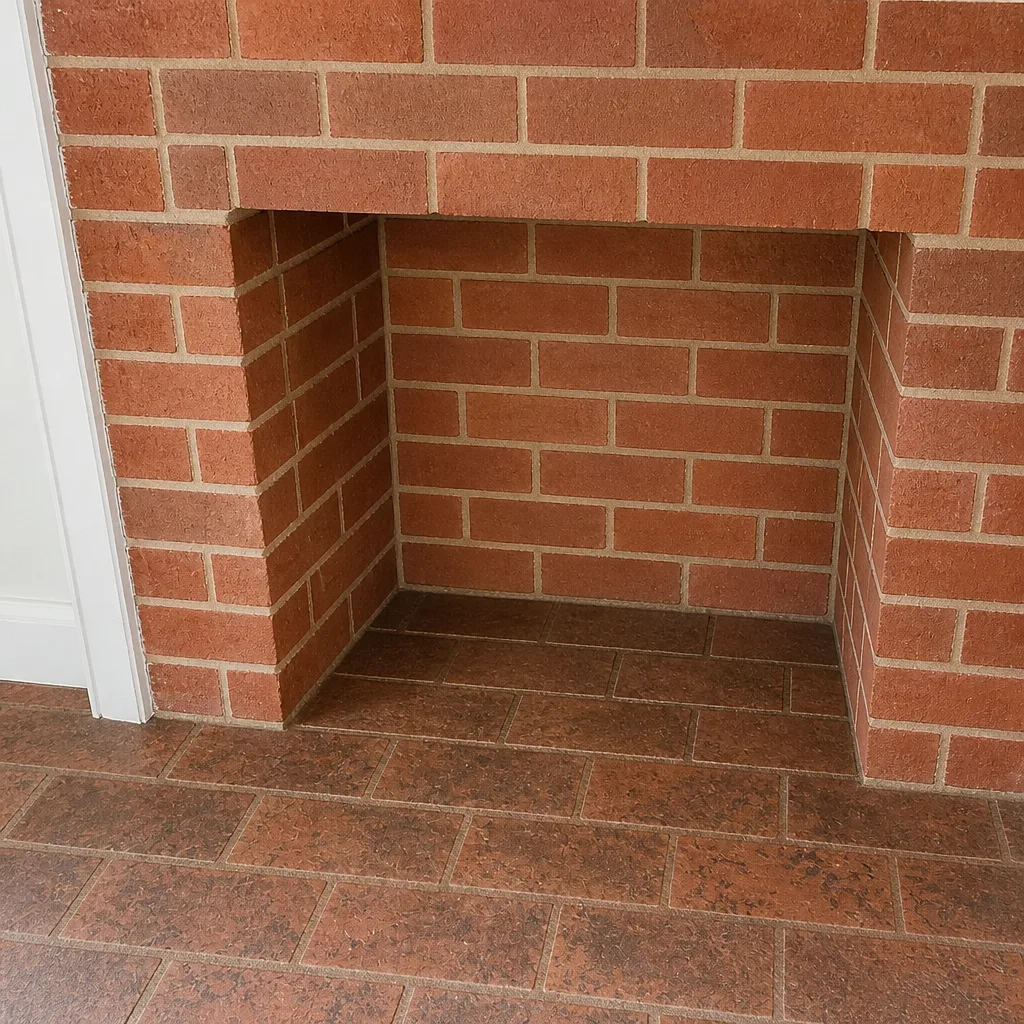
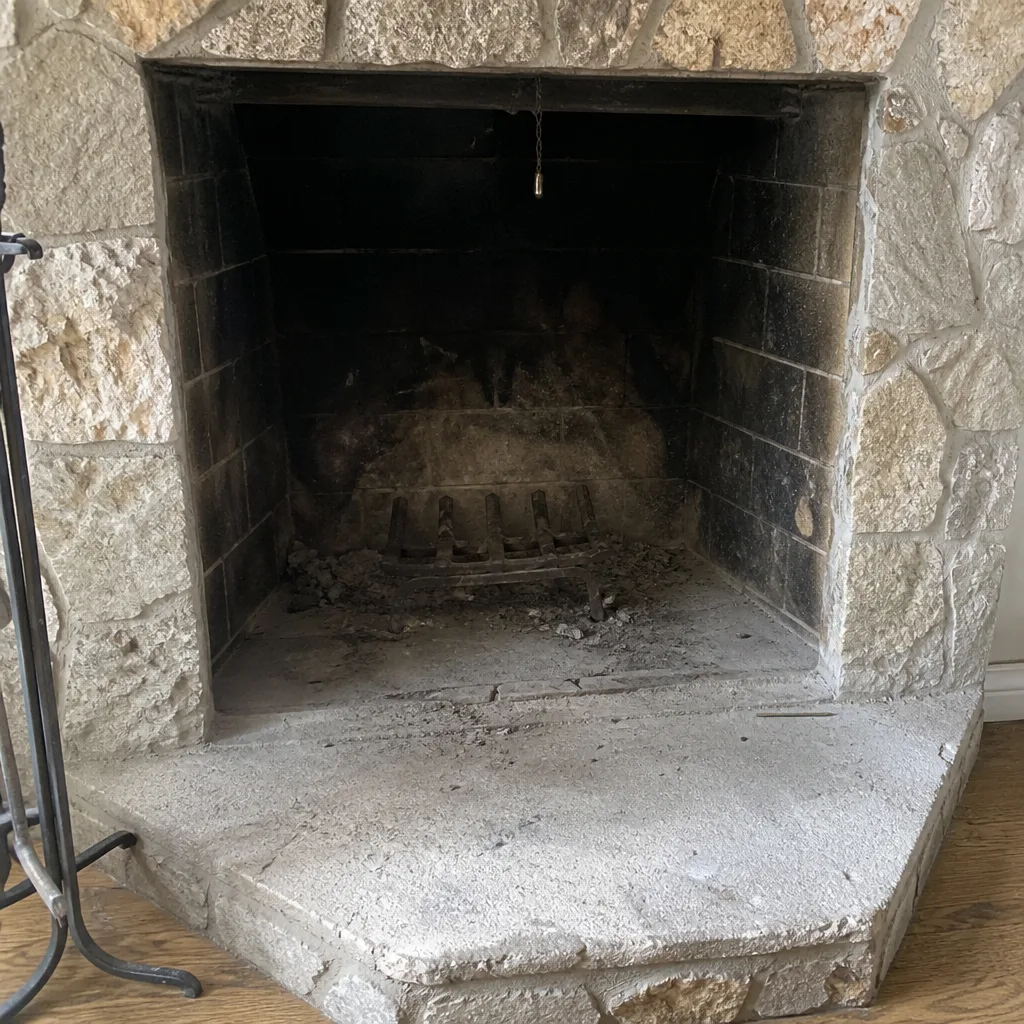
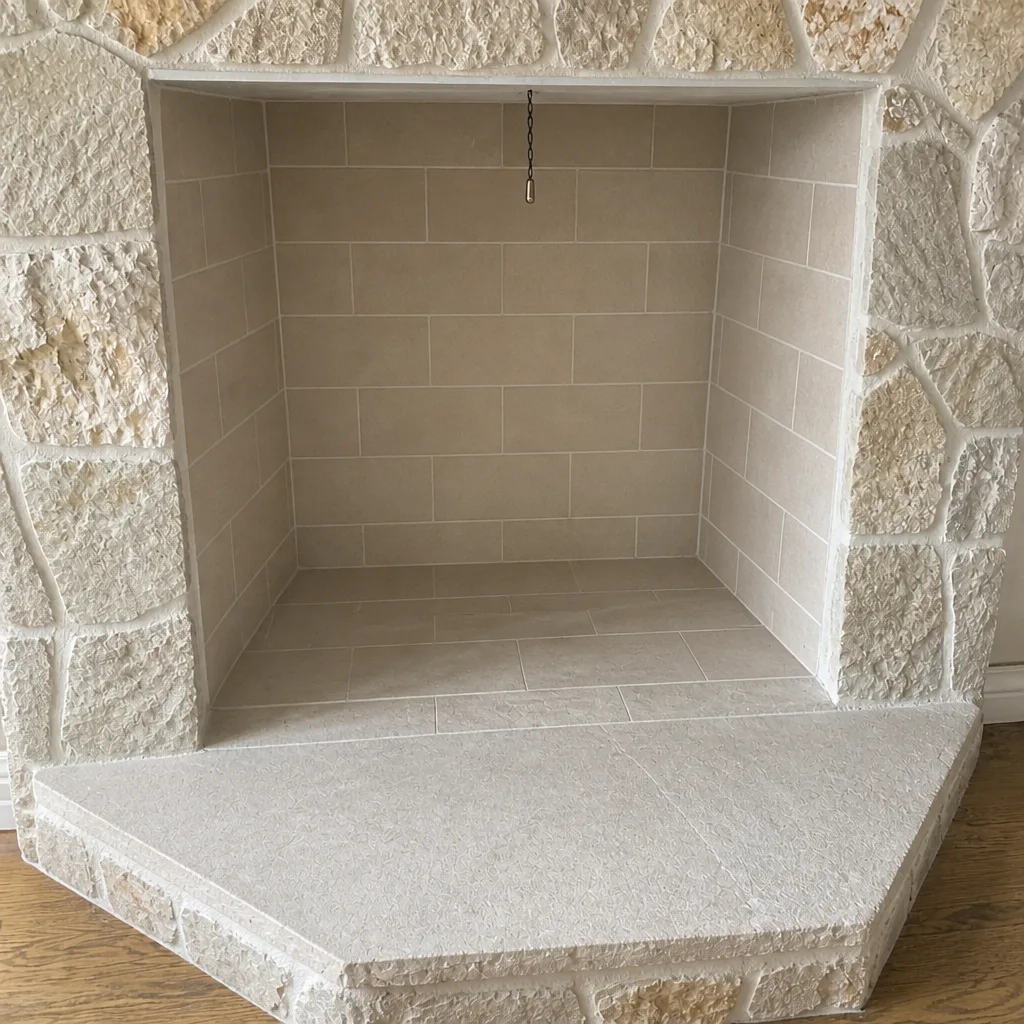
See the difference
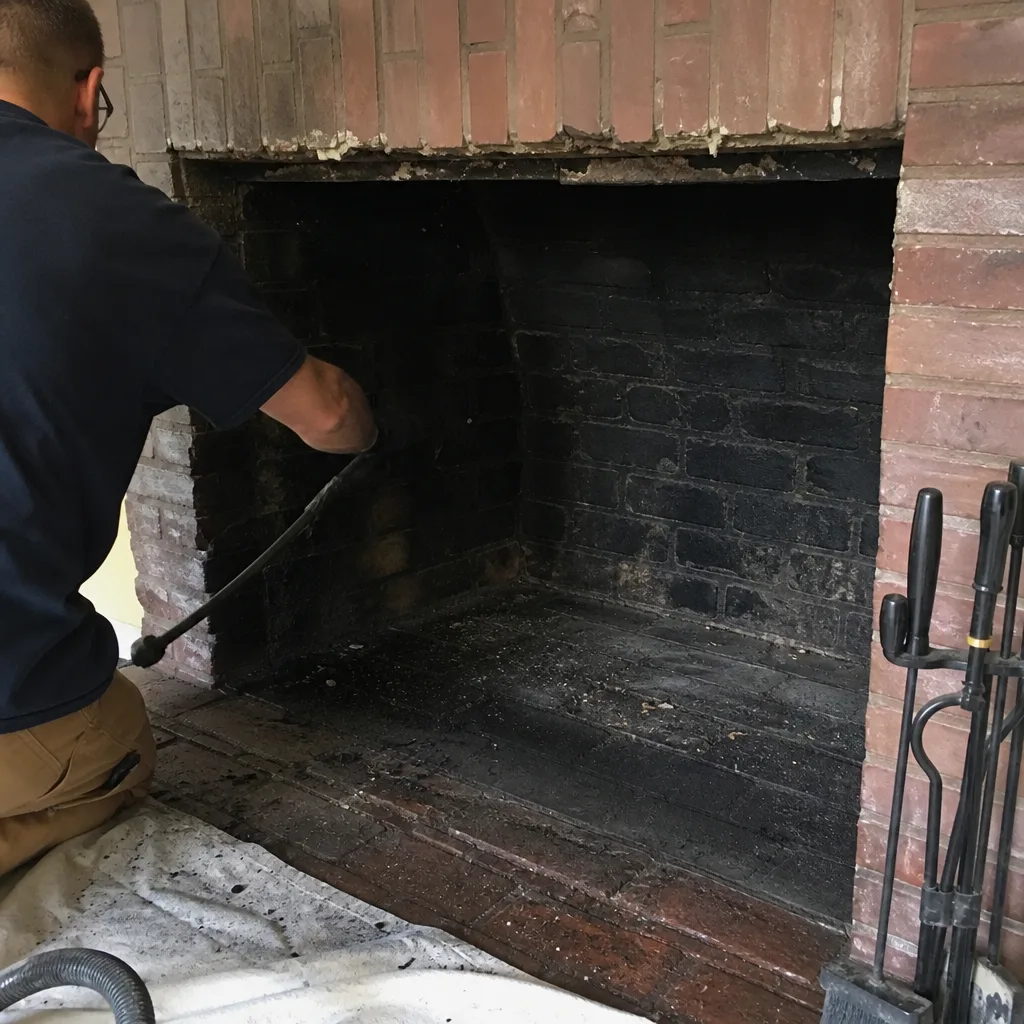 Before
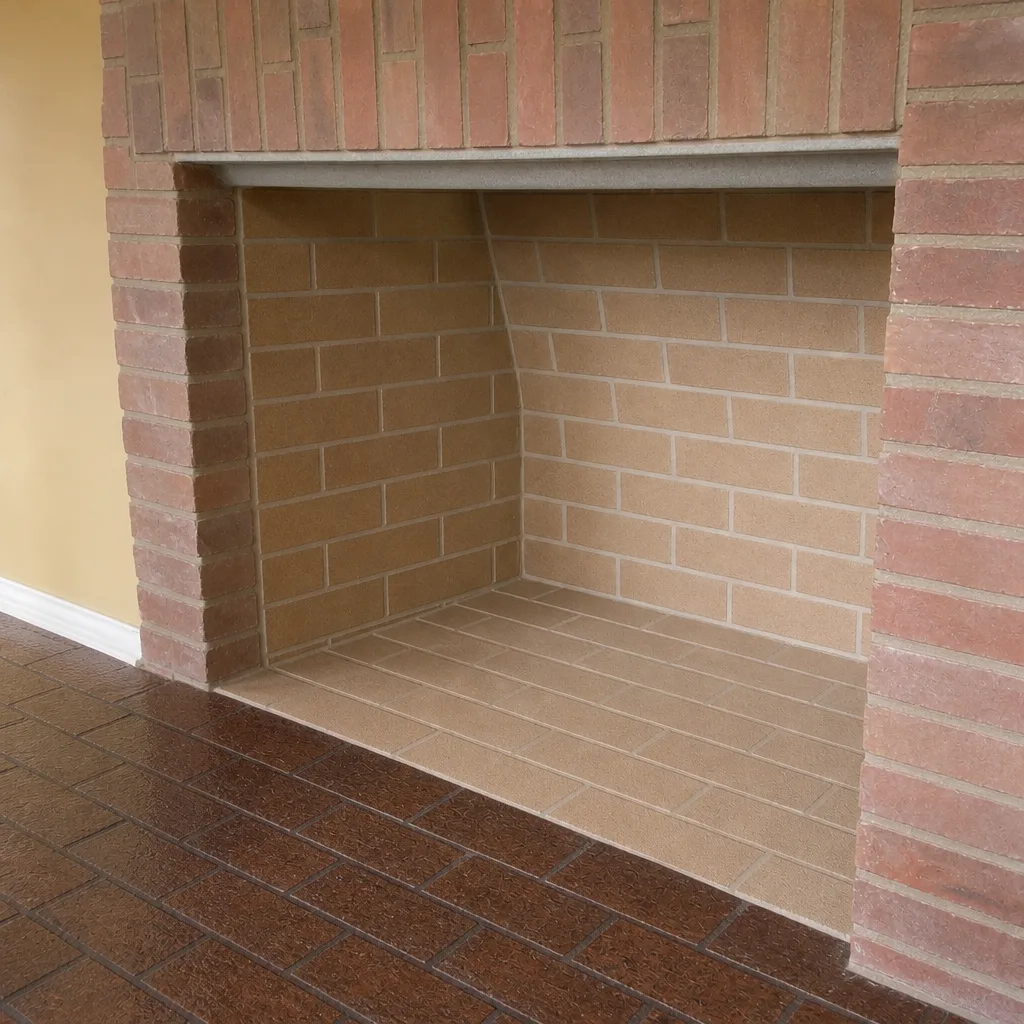 After
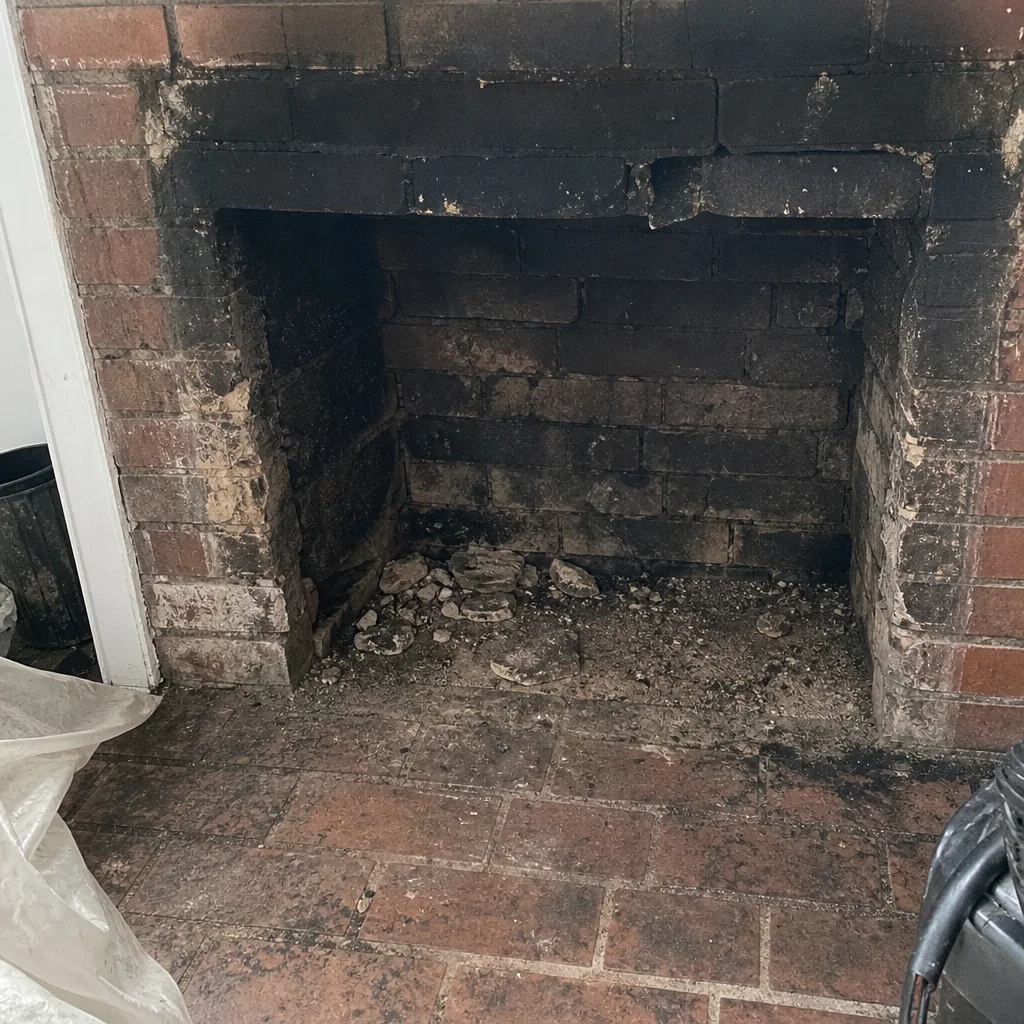 Before
 After
 Before
 After
When to Call a Professional
Call a professional chimney specialist when you see or smell any of the chimney fire signs, when a named storm or high-wind event moves through, when a lightning strike lands nearby, when a hard freeze is forecast and your fireplace hasn’t been serviced since last season, or when the cap, crown, or flashing is damaged or missing. If you’ve put off service for a season or two, that’s a reason to call now, before the first cold front. Gainesville Chimney Cleaning offers free estimates in Gainesville – call (844) 834-5386. We answer 24/7, and dispatch runs 7am to 7pm, Sunday through Friday.
Frequently Asked Questions
A chimney emergency is an active or recent chimney fire, a lightning strike to the chimney, storm damage that leaves the flue open to the weather, or a confirmed crack in the liner that could vent carbon monoxide into the house. In this region, storm and lightning damage are the most common triggers, not house fires. If you smell acrid smoke, hear a low roar from the flue, or see dark smoke from the top of the chimney, treat it as an emergency and call the fire department first.
Once a year for most homes, and again after any named storm or lightning strike. A mild climate makes it easy to skip, but the annual sweep and inspection is the single best way to catch storm damage, liner cracks, and creosote buildup before they become an emergency. If you burn heavily through the winter, or haven’t had the chimney checked in a season or two, book the service before the first cold front. Call (844) 834-5386 for an exact quote – estimates are free.
Do a ground-level visual check first, with binoculars, from the yard: cap, crown, flashing, and masonry. Don’t go on the roof yourself. Then schedule a professional inspection if anything looks off or if you’re not sure, because most storm damage isn’t visible from the ground. Document the condition with photos before any repairs, and get the inspection report in writing for your insurer.
No, and that’s the problem. A strike can crack the flue tiles or dislodge liner components with no visible damage from the outside. Spalling brick and scorch marks are signs, but the absence of signs is not proof the chimney is fine. A camera inspection is the only way to know what a strike did inside the flue. If there was a close strike, get it inspected before your next fire.
Most policies cover sudden damage from storms and lightning, but not damage from deferred maintenance. Your insurer will typically want an inspection report, photos of the damage before repairs, and sometimes a second estimate. Keep your sweep and inspection records so you can show the chimney’s condition before the event. Call your insurer’s claims line to confirm your specific policy requirements before you hire anyone.
A chimney fire often sounds like a low, rumbling roar or a loud popping, and smells sharp, hot, and acrid inside the house. You may also see dense dark smoke or sparks from the top of the chimney. Many chimney fires are quiet and slow-burning, so don’t wait for a dramatic blaze. If you suspect one, get everyone out, call the fire department, close the fireplace doors or damper if you can do so safely, and don’t throw water on it. Call (844) 834-5386 for an inspection after the fire department has cleared the chimney.
The Bottom Line
Chimney emergencies in Gainesville are mostly storm, lightning, and cold-snap problems, not the dramatic house-fire scenarios people picture. The plan is simple: get an annual sweep and inspection before the cold season, check the cap, crown, and flashing after any named storm, get a camera inspection after a close lightning strike, and keep your records for your insurer. A professional inspection with evidence you can see is what tells you what your chimney actually needs, and what it doesn’t. Call (844) 834-5386 for a free estimate. We answer 24/7, and dispatch runs from 7am to 7pm, Sunday through Friday.
Written by the team at Gainesville Chimney Cleaning.